Follow SANO Laser: SANO Laser Facebook page WhatsApp
SANO Laser – Beijing Sano Laser Development S&T Co., Ltd. logo SANO LASERMedical Aesthetic Systems Request a Catalog

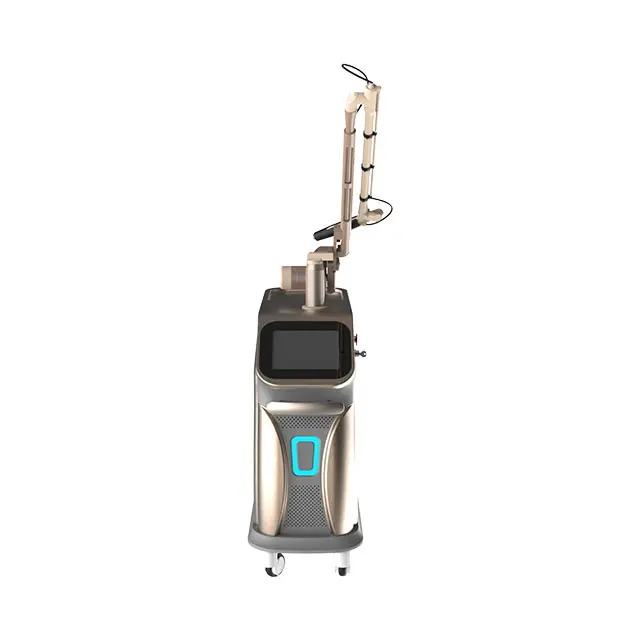
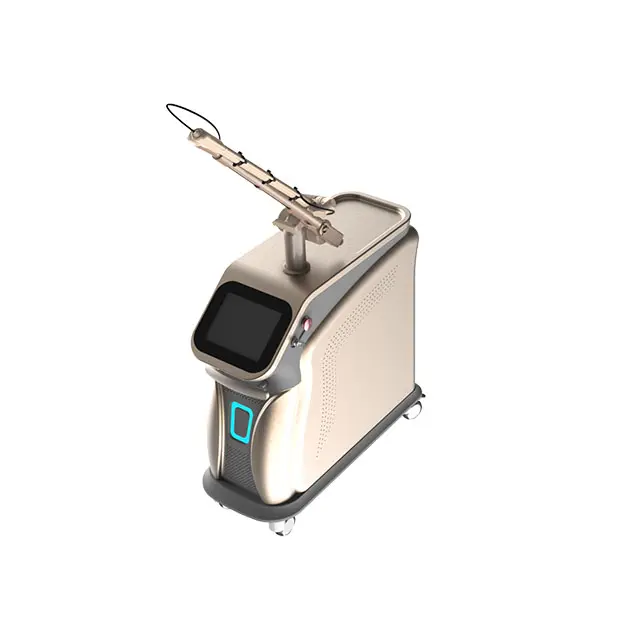
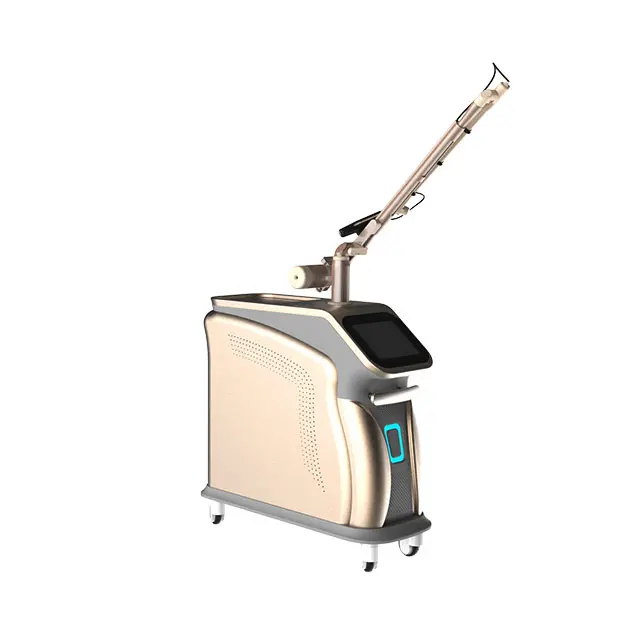
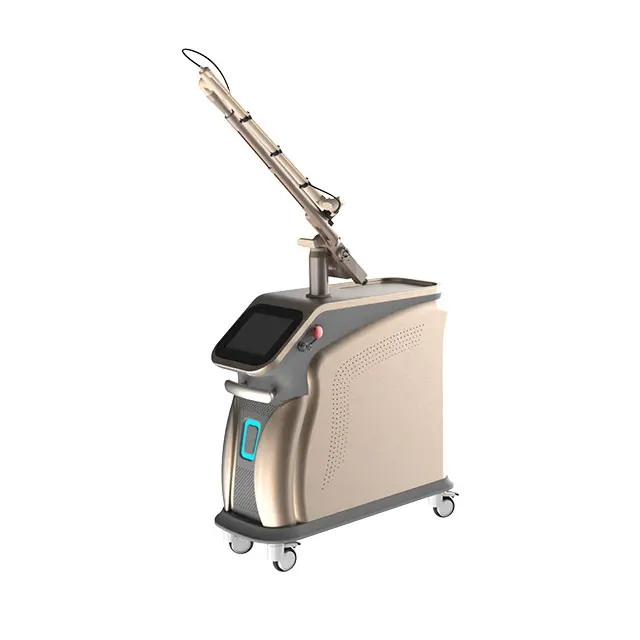
OEM Picosecond laser tattoo removal laser device Manufacturer, Supplier

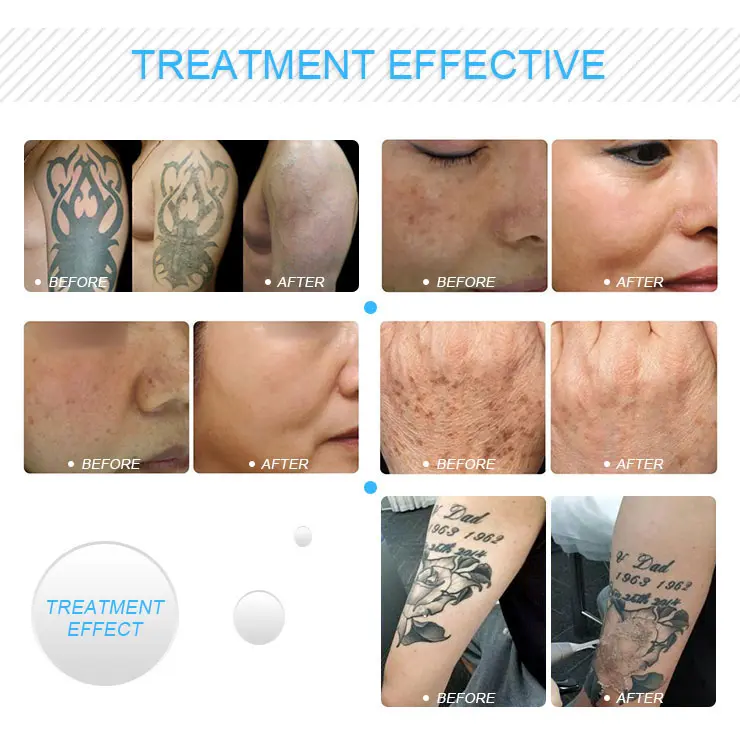
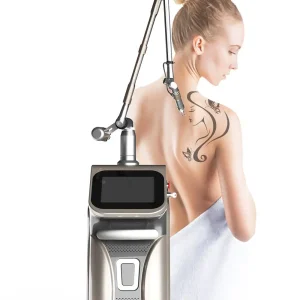
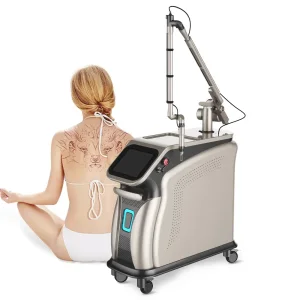
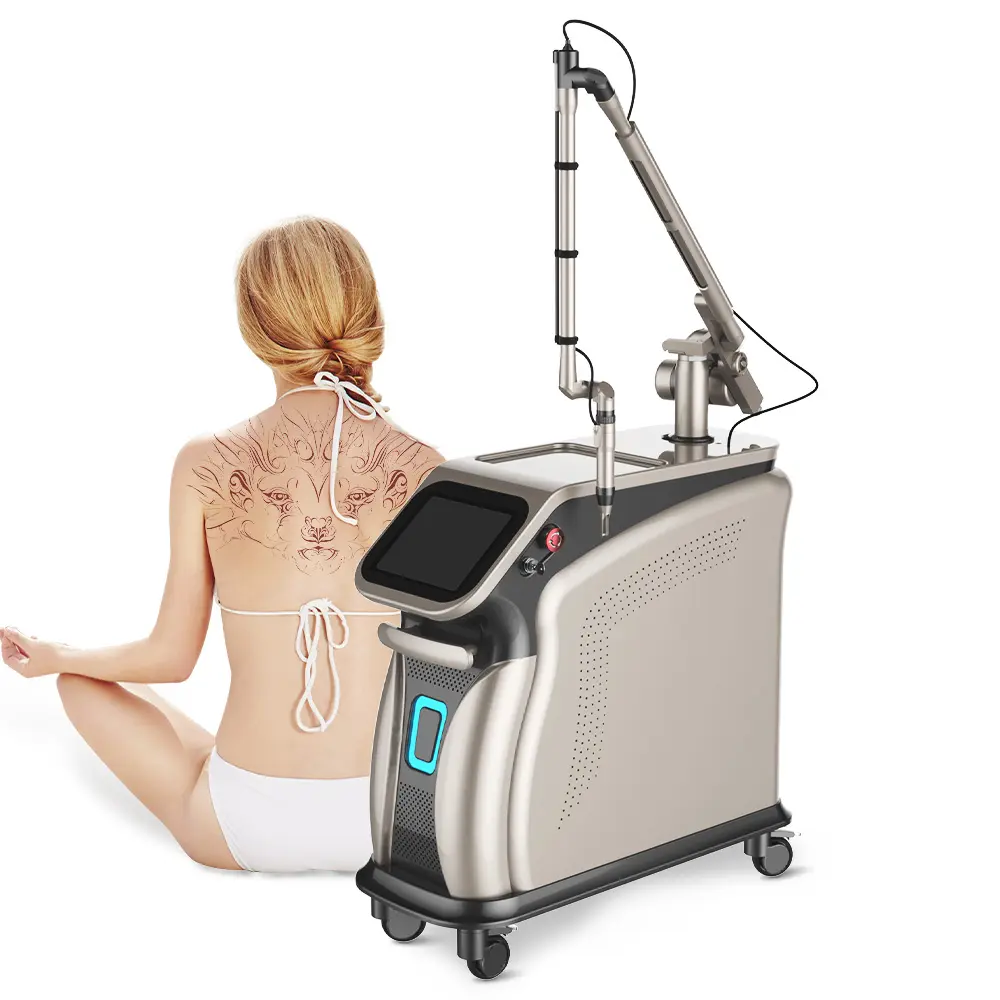
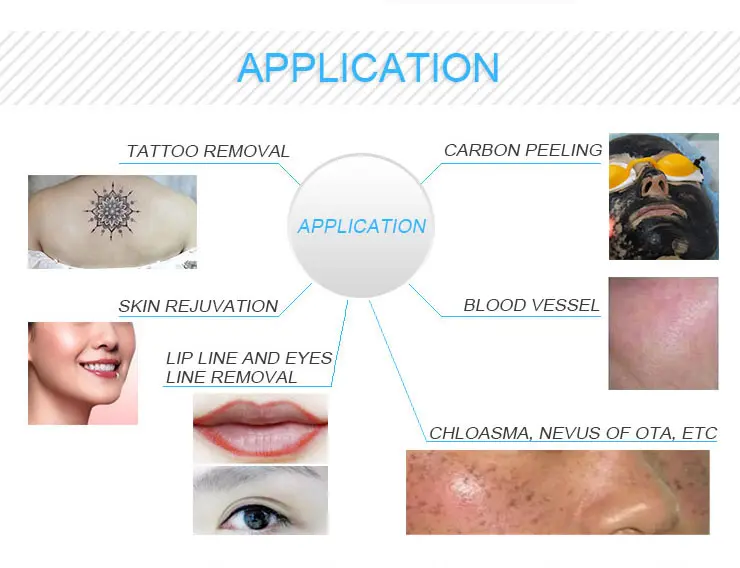
The Picosecond laser tattoo removal laser device’s applications include skin rejuvenation, whitening, and resurfacing, removal of freckles, black spots, age pigment, and sunburn, as well as the removal of epidermal and dermal pigmentation, body tattoos, eyebrow tattoos, lips lines, nevus of Ota, and birthmarks.

Product Description

What is pico laser?
Pico second laser is the latest new generation technology for aesthetic use. Through trillions of a second and powerful laser energy to grind the pigment in the skin tissue to reach the result of completely tattoo removal and pigment in all type of skin color.
Through specialized fractional lens, Pico second laser can convert laser energy into gentle pressure to create new collagen by squeezing cells and activating the natural cell without burning or damaging the skin.
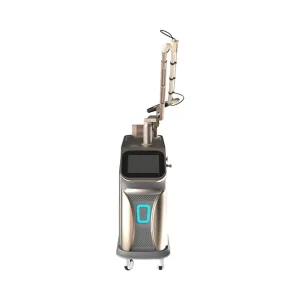
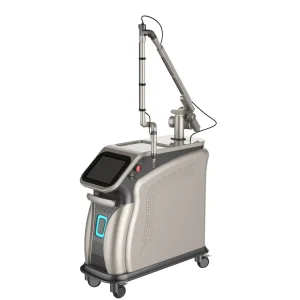
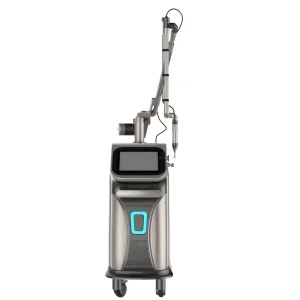
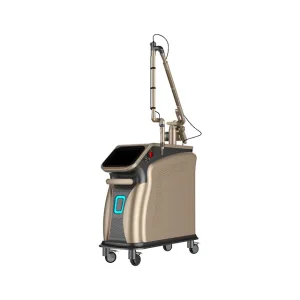
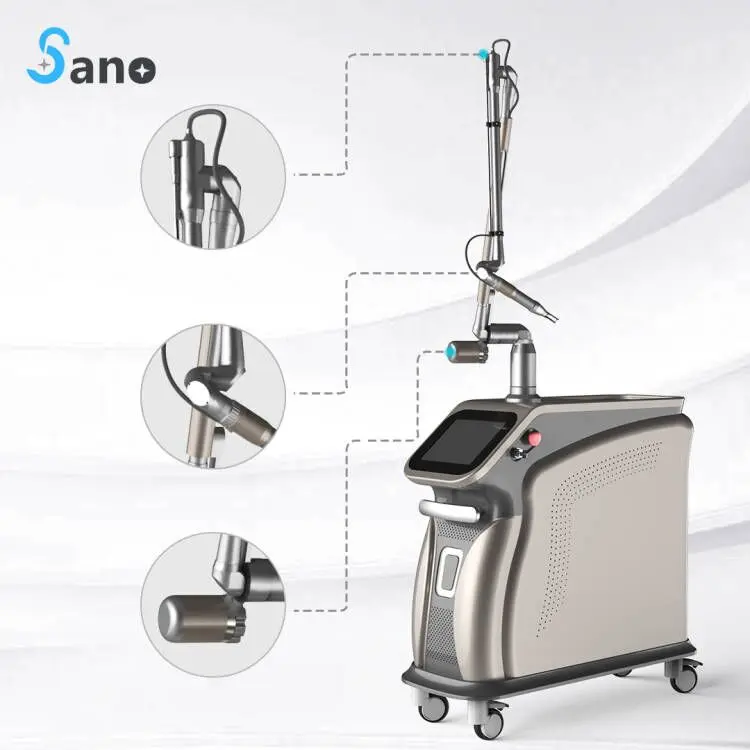
Pico Laser Device
Picosecond nd yag laser system principle:
The energy of Picosecond laser can be absorbed by the blue and black melanin. The melanin will be fragmented so small that they can be metabolized by the lymphatic system or digested out of body. Thus the tattoo or other pigmentation will be removed without damage to the normal tissue. The treatment is safe and convenient without downtime and side effects.
Picosecond Principle Diagram 1 Picosecond Principle Diagram 2 Picosecond Principle Diagram 3
Advantages
01. High energy & Short pulse duration
The power emits in trillions of a second to skin tissue, which can explore the pigment into much more small pieces than traditional Q-switch laser. The pigment pieces can be absorbed more easily and faster.
02. Minimal risk and less pain
Since the pulse duration has been reduced thousand of times, less damage of skin is realized. The treatment is safer and less painful.
03. No anesthesia & inflammation
No anesthesia during the treatment, and no inflammation post-treatment.
04. Fast tattoo removal
Usually 6-8 treatments are necessary with traditional Q-switch laser. With pico second laser, only 3-4 treatments are needed for complete removal.
05. High performance
Complete removal of tattoo and pigment can be reached with Pico second technology.
06. Wide skin compatibility
Suitable for skin color from I-IV skin types, with no hyperpigmentation after treatment.
Specifications
Laser type Pico second ND: YAG Laser
Energy Level Single Mode: Max 400mj (532nm), Max 800mj (1064nm)
Double Mode: Max 800mj (532nm), Max 1600mj (1064nm)
Pulse width 750ps
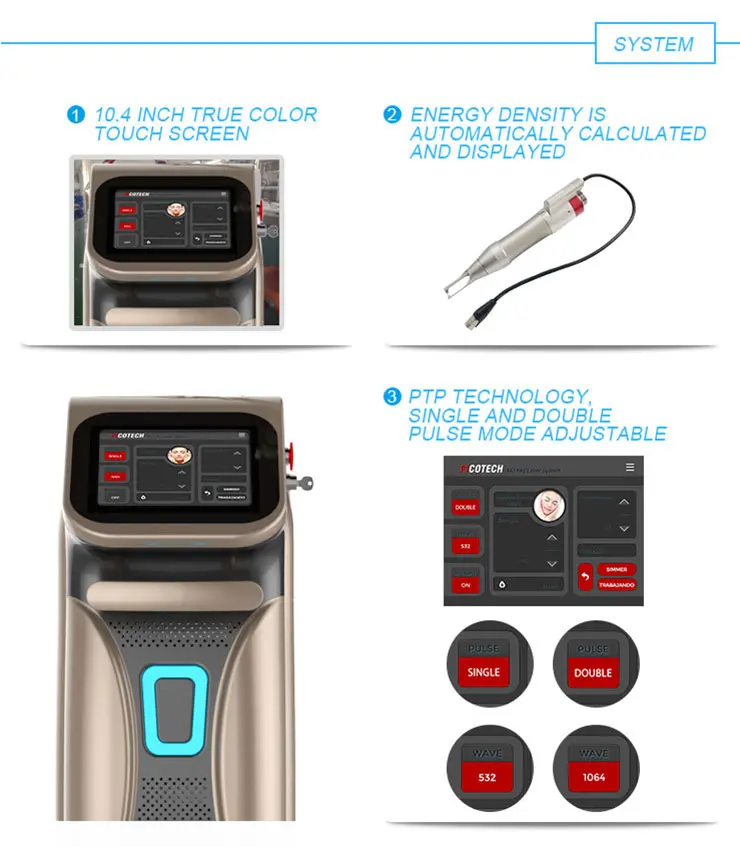
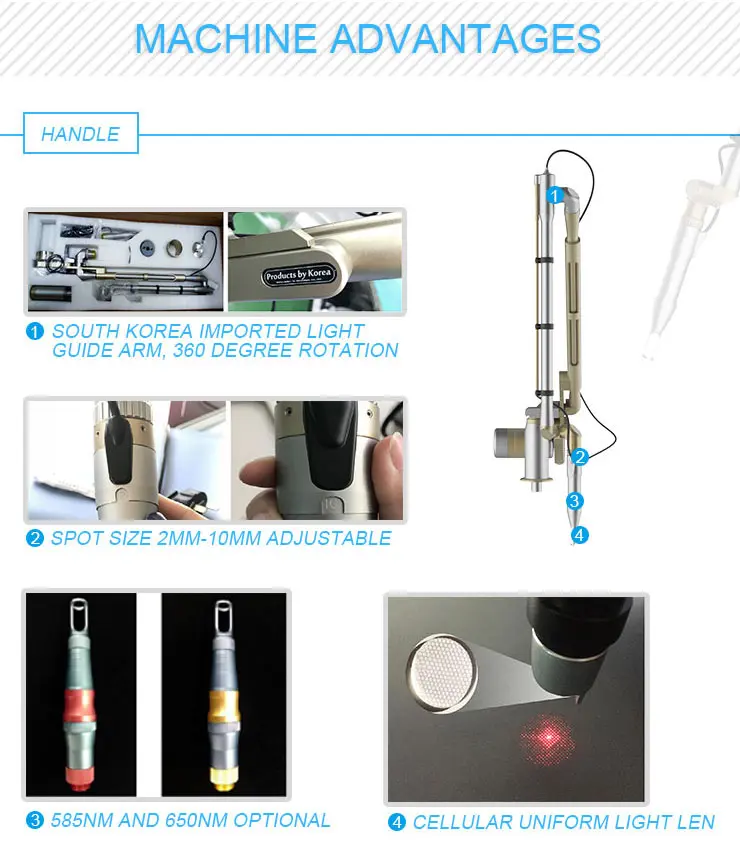
Wavelength 1064nm, 532nm, 585nm (option), 650nm (option)
Frequency 1-10Hz
Spot size 2-10mm
Dimension 107 * 50 * 118 CM
Weight 115 KG
Operation Steps
1
Clean the treatment area; if you have hair, you need to remove it.
2
Apply anesthetic cream as needed.
3
Disinfect the treatment area.
4
Adjust the treatment parameters according to the parameter table.
5
All treatments are recommended not to break the skin or ooze blood, which can greatly reduce the risk of melanin deposition, and the number of treatments will increase accordingly.

When starting treatment, use low frequency first (let the machine warm up first to reduce damage to the machine), and slowly get close to the skin to continuously emit light. Then slowly raise up to find a suitable distance to start treatment. After a few minutes, you can increase the frequency.

When you start treatment, you must first get close to the skin to continuously emit light, and then slowly raise the treatment head, so as to avoid the sound scaring the patient; it also finds the best treatment distance. When the blasting sound is loudest, energy is focused. In many cases, focused energy is not used because focused energy will bleed and the probability of coloration is high. Generally 2 minutes after treatment the skin will flush and the effect is best. Focusing on energy: The point with the greatest energy can be judged by listening to the sound (loudest and most brittle).
6
It is recommended to use repair products and products that inhibit pigmentation after treatment.
7
After treatment, physical sunscreen (masks, umbrellas, etc.) must be used.
8
The general treatment interval is about one month. Refer to the recommended number of treatments on the parameter table, and doctor determines whether additional treatment is needed according to recovery.
Operation Steps Image
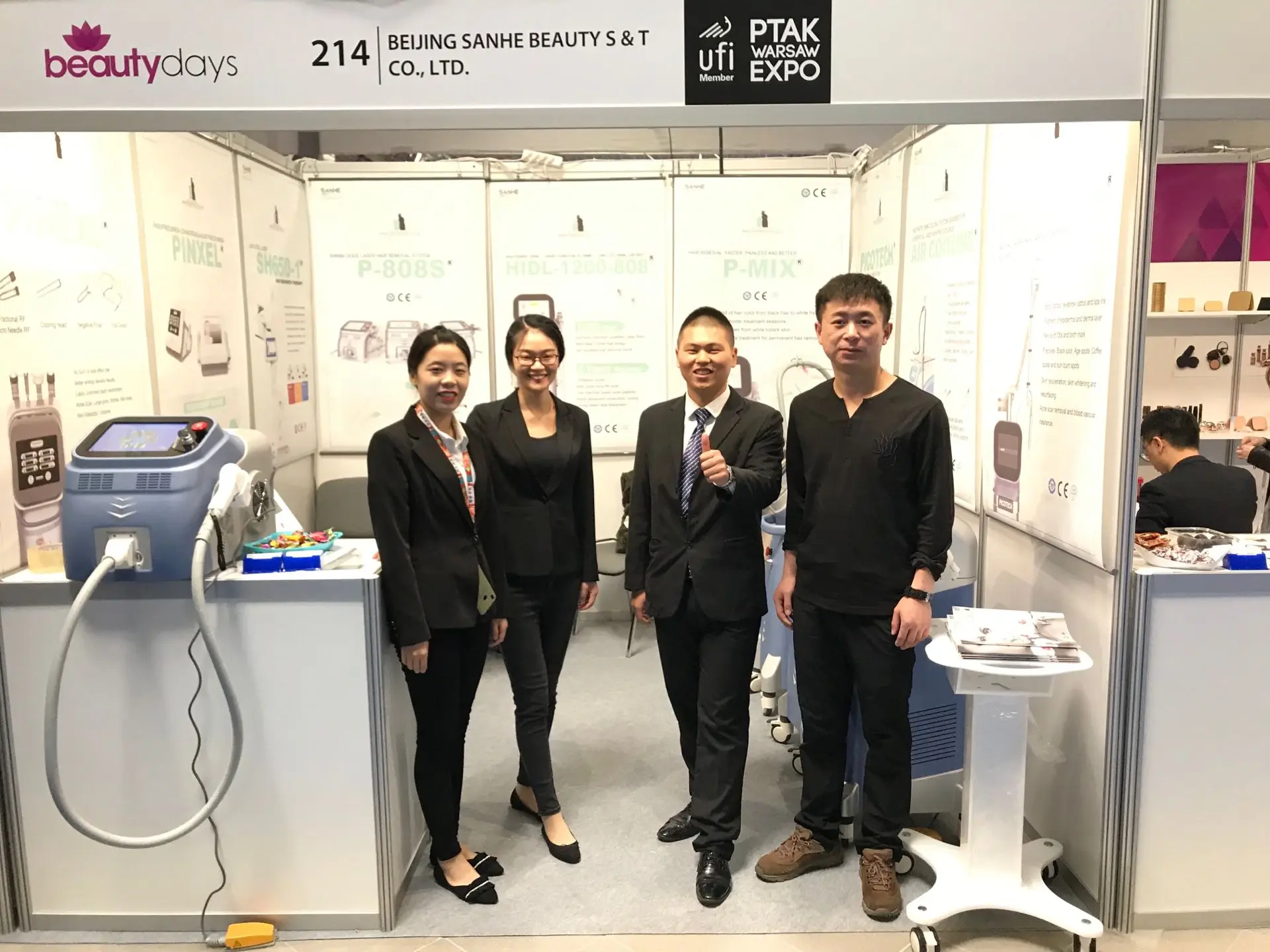
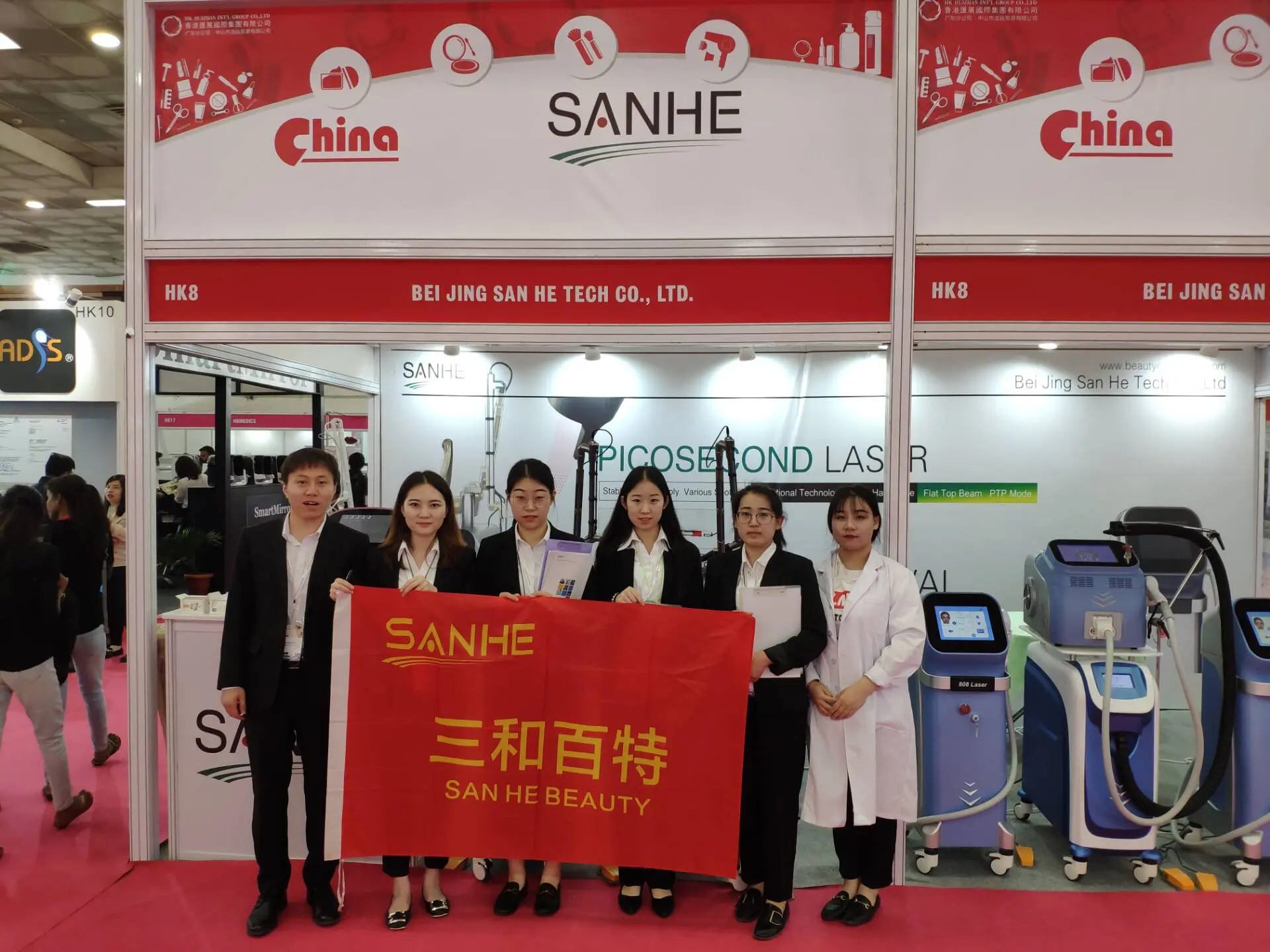
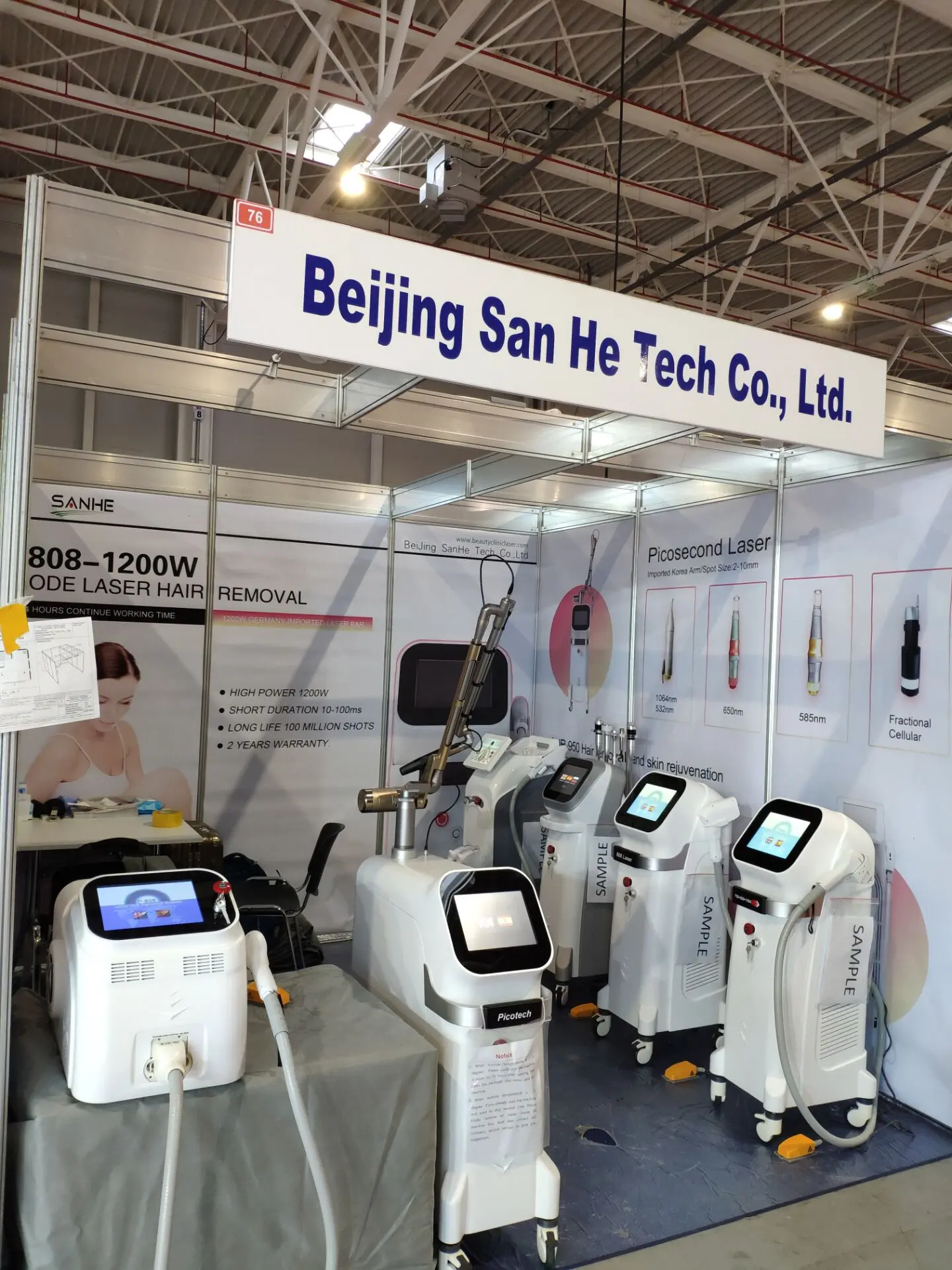
Exhibition
Exhibition 1 Exhibition 2 Exhibition 3
Frequently Asked Questions (FAQ)
Q: How does Picosecond laser differ from traditional Q-Switched lasers?
Picosecond laser emits energy in light pulses lasting trillions of a second (750ps), breaking pigments into much smaller micro-particles than Q-switched lasers. This results in faster absorption by the body, fewer sessions needed, and less heat damage to surrounding skin.
Q: How many sessions are required for complete tattoo removal?
While traditional Q-switched lasers usually require 6 to 8 sessions, the Picosecond ND:YAG laser system typically achieves complete removal in only 3 to 4 sessions depending on tattoo size, ink color, and depth.
Q: Is the treatment painful, and is anesthesia required?
The treatment causes minimal pain and discomfort because the pulse duration is significantly shorter, reducing thermal energy damage. Anesthesia is generally not required, although topical numbing cream can be applied if needed.
Q: What skin types are suitable for Picosecond laser treatment?
This Picosecond ND:YAG laser system is safe and effective for skin types I to IV. It minimizes the risk of post-inflammatory hyperpigmentation or skin damage across all supported skin tones.
Q: Is there any downtime after Picosecond laser treatment?
There is virtually no downtime. Most patients only experience temporary mild skin flushing or redness that subsides within hours after treatment, allowing you to return to normal daily routines immediately.
Q: What post-treatment care should be followed?
It is recommended to apply skin-repairing and pigment-inhibiting products immediately after treatment. Additionally, patients must practice physical sun protection (using masks, umbrellas, and SPF sunscreen) and maintain a treatment interval of about one month.

Related Products