- +86 136 8127 5833
- [email protected]
- Shunyi, Beijing, China
Direct Factory Configurations, CE Certified Platforms, and OEM/ODM Modular Units
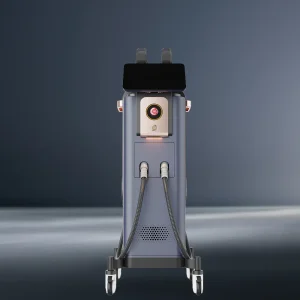
CE Certification Dpl Hair Removal Skin Rejuvenation Machine Manufacturer, Suppliers
View System Specifications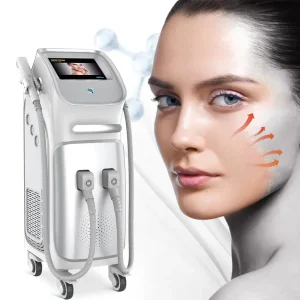
CE Certification Professional DPL Multifunctional Beauty Machine Manufacturers, Suppliers
View System Specifications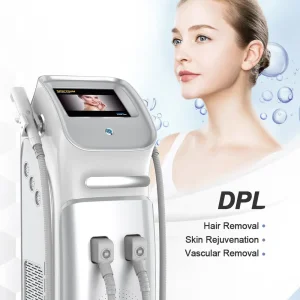
Wholesale Vertival narrow SPECTRUM skin rejuvenation device Manufacturers, Supplier
View System Specifications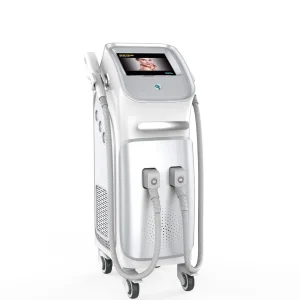
CE Certification DPL unique narrow-band light skin rejuvenation device Supplier, Factory
View System Specifications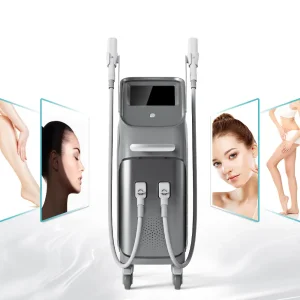
CE Certification Vertical SPECTRUM DPL SKIN REJUVENATION SYSTEM Manufacturers, Supplier
View System SpecificationsAnalyzing the Commercial Shift from Legacy Broad-Spectrum IPL to High-Selectivity Dye Pulsed Light (DPL) Engineering
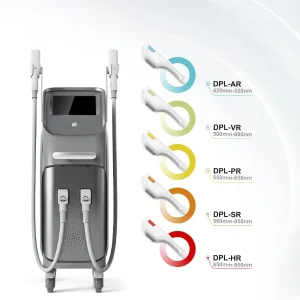
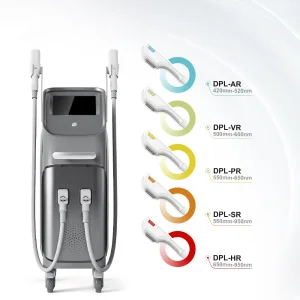
The medical aesthetic photonics market is experiencing a paradigm shift. Traditional Intense Pulsed Light (IPL) systems, emitting broad spectral bands from 400nm to 1200nm, suffer from significant energy diffusion and high epidemic thermal absorption by non-targeted chromophores. DPL technology narrows the spectral emission to a targeted 100nm window (500–600nm and 550–650nm), accelerating clinical uptake among dermatology practices across North America, Europe, and Asia-Pacific.
Dye Pulsed Light encapsulates the excitation spectrum of liquid-dye laser systems within a durable, solid-state flashlamp architecture. By concentrating light energy strictly into the peak absorption spectrum of oxyhemoglobin (542nm & 577nm) and melanin, DPL devices achieve clinical endpoints using up to 60% less total energy fluences than legacy IPLs, drastically minimizing epidermal thermal trauma and post-inflammatory hyperpigmentation (PIH).
For B2B importers, medical equipment distributors, and chain MedSpa franchises, sourcing directly from audited Chinese manufacturing hubs offers unprecedented capital efficiency. Original Equipment Manufacturers (OEM) and Original Design Manufacturers (ODM) in Beijing and Guangdong now lead global production, integrating high-grade German xenon lamps, Japanese capacitor banks, and real-time TEC skin cooling assemblies.
In-Depth Comparative Photobiological Engineering: How DPL Solves the Limitations of Legacy Modalities
Traditional broad-spectrum IPL systems output light across a wide band (400–1200nm). While ineffective infrared energy (750–1200nm) mainly penetrates skin to generate unneeded dermal heat, DPL utilizes a dual-filter crystal optical mechanism to compress the output spectrum exclusively into the 500–600nm (Vascular & Superficial Pigment) and 550–650nm (Deep Pigment & Hair Follicle Absorption) bands.
This optical containment coincides precisely with the twin absorption peaks of oxyhemoglobin (HbO2) at 542nm and 577nm. Consequently, vascular lesions such as telangiectasia, facial erythema, and rosacea collapse rapidly under selective photothermolysis, sparing surrounding collagen networks.
High-end factory DPL systems utilize narrow-pulse energy stacking technology (up to 10–15 Hz continuous sliding repetition rate). Rather than delivering single, high-fluence destructive bursts that compromise patient comfort, DPL platforms deliver uniform sub-pulses with sub-millisecond widths matching the Thermal Relaxation Time (TRT) of micro-vessels (1–10ms) and melanosomes (100ns–1ms).
This rapid pulse sequencing maintains the target tissue above the coagulation threshold while allowing the epidermal layer to continuously shed heat via active contact-cooling handpieces.
| Technology Platform | Spectral Output (nm) | Target Chromophore Absorption | Epidermal Safety Margin | Flashlamp / Source Lifespan | Consumable Operating Cost |
|---|---|---|---|---|---|
| DPL (Dye Pulsed Light) | 500-600 / 550-650 | Ultra-High (HbO2 & Melanin) | Exceptional (Narrow Band) | 1,000,000 - 3,000,000 Shots | Negligible (Low Maintenance) |
| Traditional IPL | 400 - 1200 (Broad) | Low to Moderate (Diffused) | Moderate (High PIH Risk) | 100,000 - 300,000 Shots | High (Frequent Lamp Swaps) |
| OPT (Optimal Pulse Tech) | 500 - 1200 (Square Wave) | Moderate | Good | 500,000 - 800,000 Shots | Moderate |
| PDL (Pulsed Dye Laser) | 585 / 595 (Monochromatic) | Maximum (Vascular Only) | High (Requires Cryogen Spray) | Dye Cell Replacement Needed | Extremely High (Dye Refills) |
Criteria for Assessing Manufacturing Integrity, Component Selection, and Assembly Line Standards in China
The optical heart of any DPL machine is its flashlamp. Leading suppliers utilize imported German Heraeus or PerkinElmer xenon lamps filled with high-purity heavy xenon gas. Premium lamps guarantee spectral uniformity across millions of discharges without energy degradation.
Continuous square-wave pulse discharge demands high-capacity power units (minimum 2000W to 3000W). Top factories install Japanese Rubycon or Nippon Chemi-Con capacitor banks ensuring sub-millisecond energy reloading without voltage drops.
DPL handpieces require real-time skin protection. Premium suppliers integrate high-purity synthetic Sapphire crystals combined with thermoelectric Peltier cooling modules (TEC) capable of maintaining tip temperatures between -5°C to 0°C during full-power discharge.
Trustworthy OEM manufacturers perform rigorous pre-shipment aging procedures: at least 72 hours of uninterrupted pulse firing, energy meter calibration with Coherent sensors, and water-flow pressure testing to prevent handpiece micro-leaks.
How DPL Platforms Expand Practice Revenue Across Diverse Aesthetic Indications
Indications: Facial telangiectasia, rosacea, spider veins, cherry angiomas, post-acne erythema (PIE).
Clinical Mechanism: Light energy is selectively absorbed by intravascular oxyhemoglobin. Photothermal conversion heats blood vessel walls to 65°C–70°C, causing vessel wall collapse, intravascular thrombosis, and subsequent lymphatic absorption without purpura formation.
Indications: Freckles, sunspots (lentigines), age spots, melasma maintenance, post-inflammatory hyperpigmentation (PIH).
Clinical Mechanism: Photothermal micro-fragmentation breaks down dense epidermal epidermal melanin clusters. Cellular debris is shed via natural transepidermal turnover, revealing clear, even-toned skin within 3–7 days post-treatment.
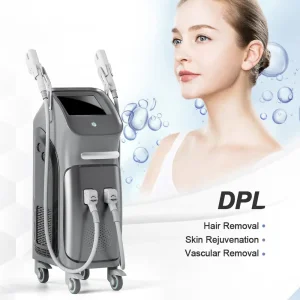
Indications: Fine vellus hair reduction, pore minimization, collagen restructuring, overall anti-aging skin rejuvenation.
Clinical Mechanism: Targeted thermal action stimulates dermal fibroblasts to synthesize new Type I & III collagen fibers while simultaneously heating melanin in hair follicles to achieve permanent hair reduction across Fitzpatrick skin types I–IV.
Mitigating Operational Risk for Global Aesthetic Equipment Importers and Distributors
Navigating global medical equipment imports requires stringent compliance. Leading Chinese DPL manufacturing plants possess ISO 13485 Medical Device Quality Management System certification. Export models carry complete technical files, test reports, and compliance documentation supporting Medical CE (MDR 2017/745), US FDA 510(k) clears, and Australian TGA registrations.
Unplanned machine downtime directly damages clinic revenue. Top suppliers maintain modular internal hardware configurations (plug-and-play wiring harnesses, quick-connect water valves) and guarantee express dispatch (via DHL/FedEx) for replacement filters, power boards, and handpieces within 24 to 48 hours worldwide.
Leading factories empower their distribution partners by providing complete white-label clinical training materials, treatment parameters charts, client consent forms, and remote engineering diagnostics. Diagnostic software interfaces allow factory engineers to analyze operational logs remotely via mobile app connection.
Anticipating Engineering Innovations Shaping the Future of Phototherapy Machinery
Integration of dual handpieces (500–600nm & 550–650nm) into single mobile trolley units, standardizing Sapphire contact cooling and high-repetition sliding modes.
Real-time optical reflectance and epidermal melanin sensors built directly into handpiece tips, automatically modulating output fluence and pulse width based on skin response.
Replacement of xenon arc lamps with long-life solid-state diode-pumped excitation sources, extending handpiece lifespans beyond 10,000,000 shots with zero thermal drift.
In-Depth Answers for Medical Device Importers, Clinic Directors, and Biomedical Technicians
The primary distinction lies in spectral purity. Traditional IPL emits a wide spectrum of light (400–1200nm), dispersing energy across irrelevant wavelengths that heat surrounding tissue and increase burn risks. DPL (Dye Pulsed Light) utilizes specialized crystal filters to narrow the output to a 100nm band (such as 500–600nm), concentrating energy precisely into the absorption peaks of oxyhemoglobin and melanin. This narrow band delivers superior clinical efficiency with significantly lower total energy fluence requirements.
Handpiece longevity depends on the origin and build quality of the flashlamp. Premium factory DPL handpieces integrated with German Heraeus xenon arc lamps consistently achieve 1,000,000 to 3,000,000 pulses under optimal operating temperatures. Standard domestic lamps usually deliver between 300,000 to 500,000 pulses before spectrum drift or power loss occurs.
When requesting factory custom builds, importers should specify: 1) German imported Xenon flashlamps, 2) Japanese high-voltage capacitor arrays (minimum 2000W output), 3) Pure Sapphire crystal light guides, 4) Dual TEC Peltier thermoelectric cooling modules, 5) High-pressure quiet DC water pumps, and 6) Real-time water flow and temperature alarm sensors integrated into the control board.
DPL offers a significantly higher safety margin for skin types IV–V compared to standard IPL because non-targeted infrared wavelengths are filtered out. However, for darker skin tones, practitioners should utilize the 550–650nm handpiece, extend pulse durations, lower energy fluences, and apply active sapphire contact cooling to protect epidermal melanin from overheating.
Because DPL systems handle multiple high-demand treatments—including vascular repair, spot removal, skin rejuvenation, and rapid hair removal—clinic utilization rates are exceptionally high. With average session pricing between $150 to $450 USD and negligible per-shot consumable costs, most medspas recover their full machine capital expenditure within 6 to 12 weeks of clinical deployment.
Wholesale Inventory, Portable Units, & Multi-Function Combination Platforms
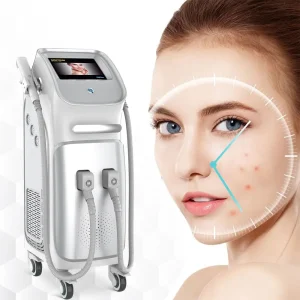
Wholesale Dpl Painless laser Hair Removal machine Manufacturers, Factories
View System Specifications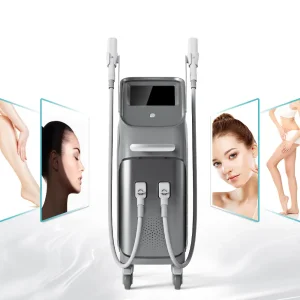
High-Quality Dpl Permanent Painless laser Hair Removal machine Manufacturer, Supplier
View System Specifications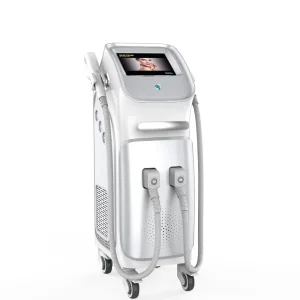
CE Certification New generation skin rejuvenation DPL device Suppliers, Factories
View System Specifications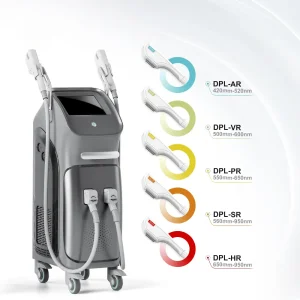
CE Certification DPL Hair Removal Acne Removal Hair Removal Machine Manufacturers, Supplier
View System Specifications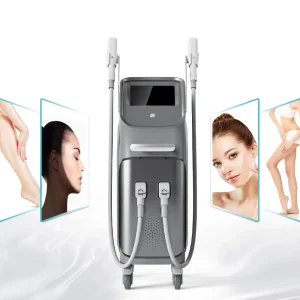
High-Quality New generation German DPL technology Manufacturers, Supplier
View System Specifications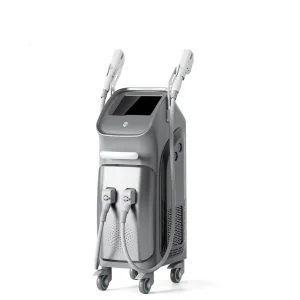
CE Certification DPL Hair Removal Beauty Machine Multifunctional Manufacturers, Factory
View System Specifications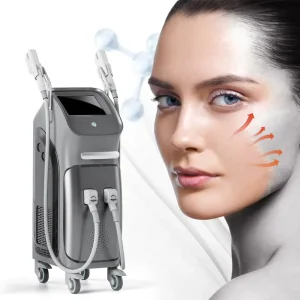
OEM Multifunctional Therapeutic Professional DPL Machine Manufacturers, Suppliers
View System Specifications