- +86 136 8127 5833
- [email protected]
- Shunyi, Beijing, China
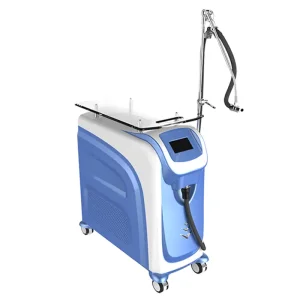
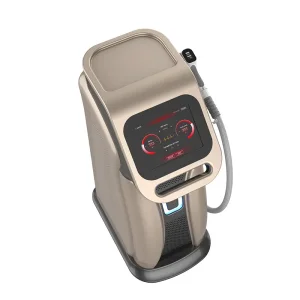
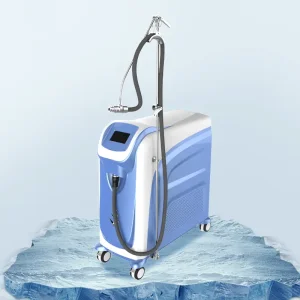
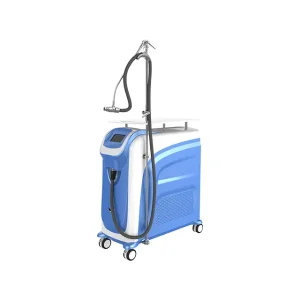
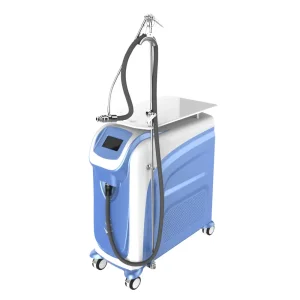
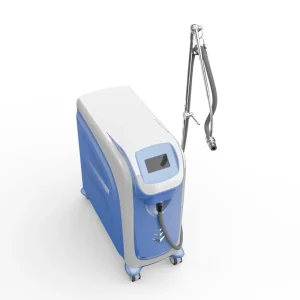
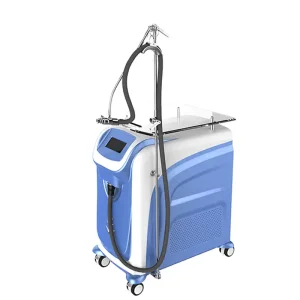
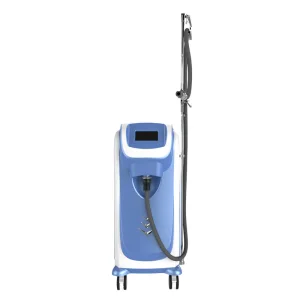
Explore our market-leading continuous cold air delivery platforms designed for integration with medical aesthetic lasers.
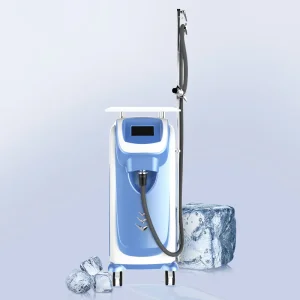
In modern energy-based aesthetic medicine—encompassing high-fluence 808nm diode hair removal, 755nm Alexandrite, 1064nm Nd:YAG, Fractional CO2 resurfacing, and Radiofrequency (RF) microneedling—the primary thermal limiting factor is not target tissue destruction, but epidermal safety margin protection.
As leading Air Skin Cooling Machine Manufacturers & Suppliers, our clinical R&D engineers have revolutionized non-contact thermal protection. Standard contact cooling (sapphire tips) and dynamic cryogen sprays present inherent operational trade-offs: sapphire windows can trap debris and obscure the treatment beam, while cryogen sprays incur recurring consumable expenses and pose post-inflammatory hyperpigmentation (PIH) risks on Fitzpatrick IV-VI skin types.
For forced cold air systems, high-velocity chilled air (chilled down to -30°C or -40°C via medical-grade compressor circuits) is focused continuously onto the treatment site prior to, during, and immediately following energy emission. This creates a stable thermal sink within the upper dermis without interfering with photon penetration into target chromophores (melanin, hemoglobin, or water).
A objective engineering comparison highlighting operational efficiency, patient comfort, and long-term ROI across aesthetic practices.
| Cooling Modality | Continuous Air Chilling (-30°C) | Integrated Sapphire Contact | Dynamic Cryogen Spray (DCS) | Topical Ice Packs / Gels |
|---|---|---|---|---|
| Consumable Cost | $0 / Year | $0 / Year | $3,000 - $8,000 / Year | Low / Variable |
| Pre-, During-, & Post-Cooling | Simultaneous & Continuous | During laser discharge only | Pre/Post Millisecond bursts | Pre / Post only |
| Visibility of Treatment Area | 100% Unobstructed Line of Sight | Obstructed by light guide tip | 100% Unobstructed | Completely Obstructed |
| EBD Platform Flexibility | Universal Standalone Utility | Locked to specific handpiece | Locked to specific device brand | Manual intervention required |
| Risk of Thermal Burn / PIH | Ultra-Low (Sustained Heat Removal) | Medium (If tip warms up) | Low-Medium (Reflex misfires) | High (Inconsistent cooling) |
China has established itself as the global hub for high-precision medical aesthetic hardware assembly, component supply chain integration, and advanced compressor thermal dynamics engineering. Partnering directly with qualified Chinese OEMs like SANO Development provides global buyers with unrivaled competitive leverage.
From custom German rotary compressors and quiet Panasonic fan assemblies to custom-molded medical ABS shells, our Beijing assembly ecosystem eliminates middleman markups and guarantees rapid part availability.
Every cold air skin chiller undergoes 72 hours of continuous full-load bench testing. Temperature sensors are calibrated to ±0.5°C using FLIR thermal diagnostics to ensure rock-solid stability during back-to-back clinic shifts.
Our platforms are built to satisfy strict global regulatory standards—offering full CE compliance, Medical ISO 13485 manufacturing controls, and comprehensive technical documentation for fast local registration.
Designed as a versatile, multi-modality thermal safety shield, our cold air cooling machines enhance patient comfort and treatment efficacy across four distinct clinical sectors:
When operating high-power 2000W Diode Lasers (755+808+1064nm) or Alexandrite platforms, high fluence causes rapid follicular heating. Directing continuous -30°C cold air via hands-free adapters desensitizes cutaneous nerve endings, dramatically improving patient compliance while enabling practitioners to safely deliver higher energy densities for superior hair clearance.
Fractional CO2 and Erbium YAG lasers vaporize micro-channels in the dermis, generating localized thermal stacking. Using cold air blowing during resurfacing immediately strips away excess heat accumulation, reduces erythema duration, and significantly lowers the incidence of post-treatment inflammation or accidental blistering.
Treating deep facial telangiectasia or leg veins with 980nm / 1064nm lasers requires selective photothermolysis of hemoglobin. Cold air cooling cools the surrounding epidermal melanin layer without chilling the deeper vascular targets, preserving target selectivity and protecting fragile skin structures.
When sourcing cold air skin cooling devices for distribution networks or clinic chains, evaluate these vital hardware metrics before placing bulk orders:
Ensure the machine uses high-torque sealed rotary compressors paired with eco-friendly R134a or R290 refrigerants. Cheap sub-standard compressors lose cooling capacity after 30 minutes of continuous operation.
Look for 6-to-10 level adjustable fan speeds. Sensitive facial zones require gentler airflow rates (~400 L/min), while large body areas (legs/back) demand high-velocity displacement (~1500 L/min).
Continuous sub-zero operation creates internal frost. Premium cooling units integrate automated hot-gas bypass defrost systems to prevent internal air-line clogging during busy clinic days.
Direct answers from our OEM technical engineering team addressing common clinical and purchasing inquiries.
Browse our complete production matrix of cold air chillers, Zimmer-compatible systems, and high-power aesthetic laser equipment.