Follow SANO Laser: SANO Laser Facebook page WhatsApp
SANO Laser – Beijing Sano Laser Development S&T Co., Ltd. logo SANO LASERMedical Aesthetic Systems Request a Catalog

OEM nd yag q switch laser machine Manufacturers, Suppliers

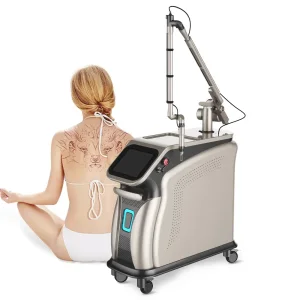
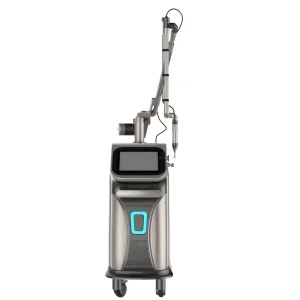
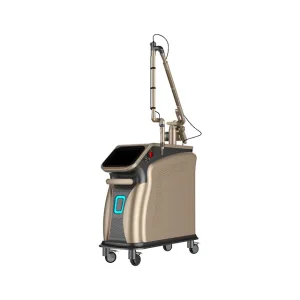
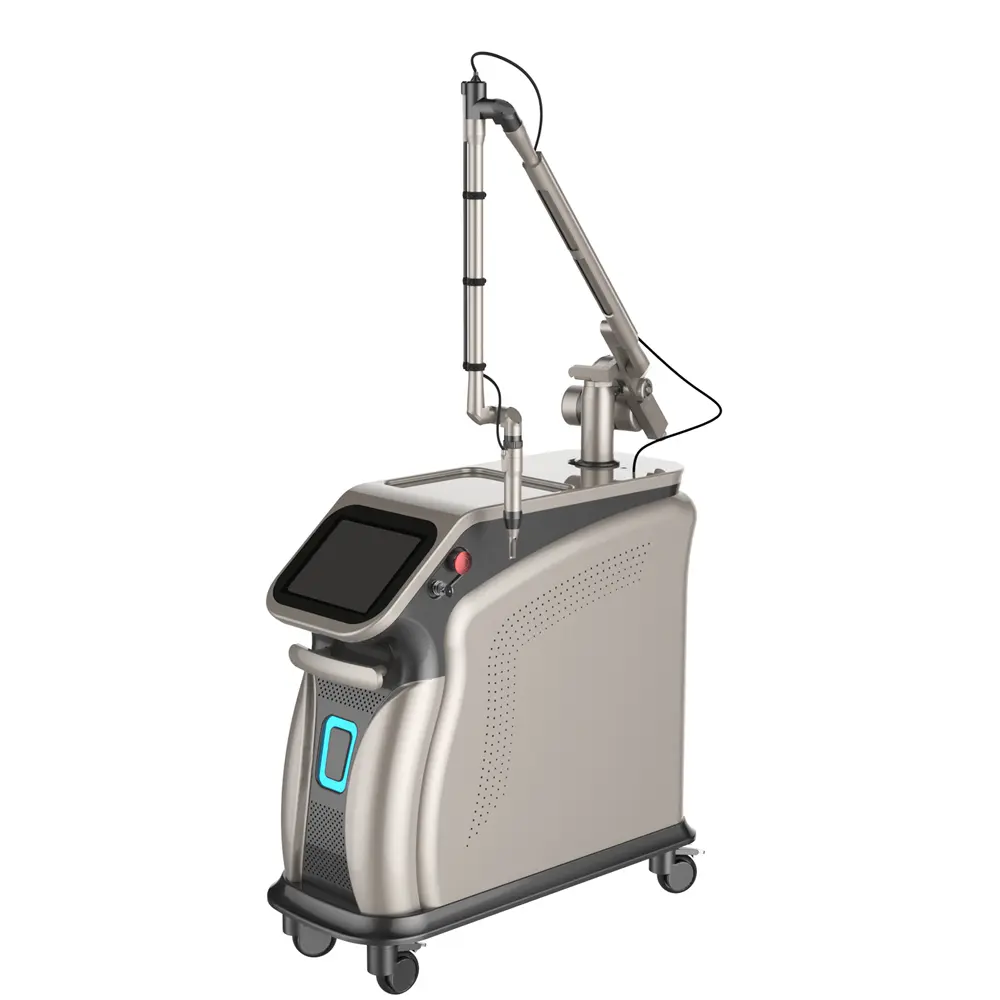
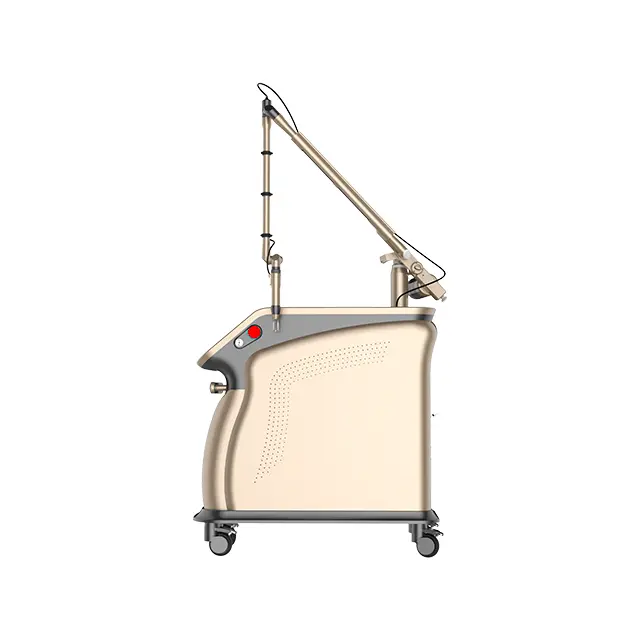
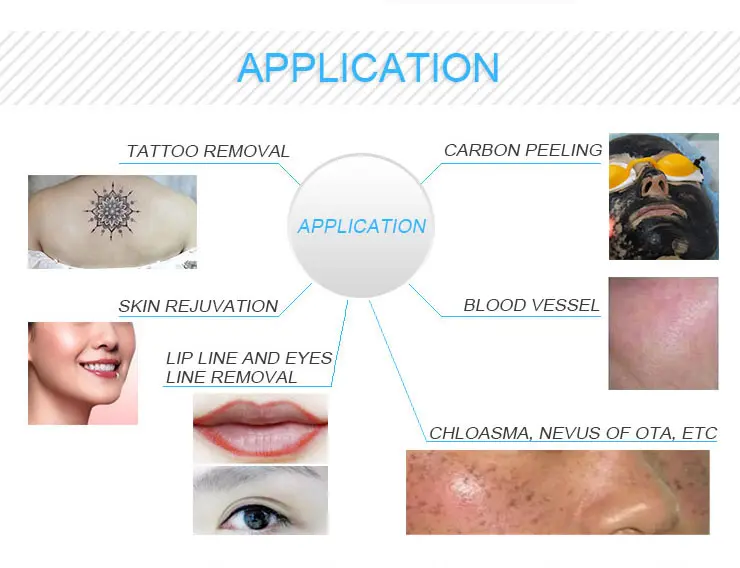
ND YAG Laser is proven to be the most effective way to remove tattoos, which emits light in a particular way in short and sharp pulses to break down the tattoo pigments. They are absorbed by the pigments within the skin. This light energy is measured in nanometres (nm) and is emitted at wavelength of 532nm,1064nm. The 532nm head is mainly used for removing red, orange, brown tattoo, and 1064nm head is mainly used for black, blue, and deeper penetration tattoo removal. And also we have carbon peeling head for shrinking pores and whitening.

Product Description

Working Principle

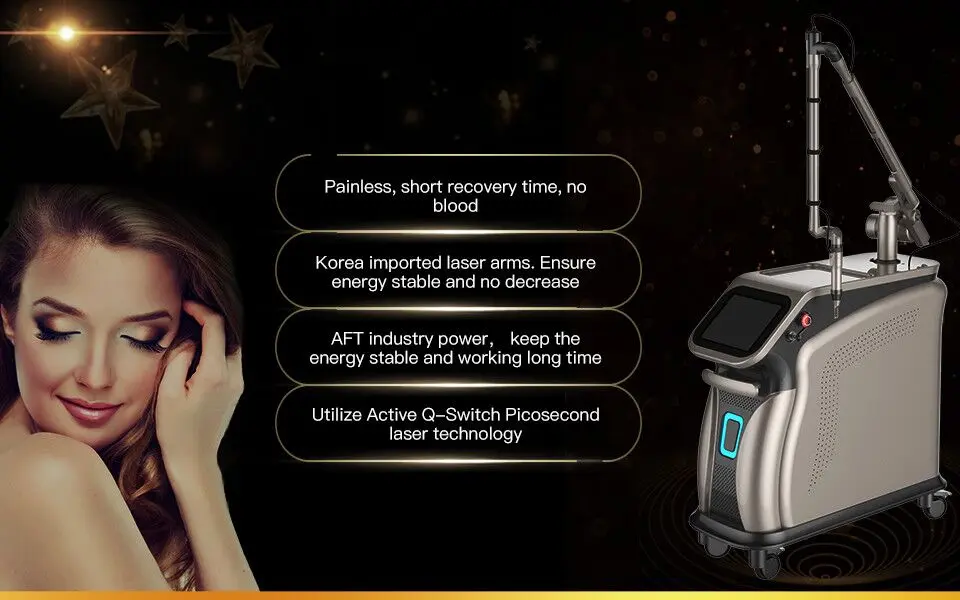
According to the principle of selective photopyrolysis, when shorted the action time of the laser, the laser energy diffuses less to the surrounding tissue. If the energy is limited to the target that needs treatment, the surrounding normal tissue can be protected, so the selectivity of treatment become stronger. The picosecond laser pulse width is only 1% of the traditional Q-switched laser. Under this ultra-short pulse width, the light energy is too late to be converted into heat energy, and there is almost no photothermal effect. When the laser energy is absorbed by the target, its volume will expand rapidly, and then be blasted and torn into pieces. "The picosecond laser is more powerful and complete in crushing pigment particles and less damaging the surrounding tissue." From the perspective of treatment, the effective rate can reach more than 94% (Ota nevus almost 100%).
Working principle diagram

Application

Application scope

Treatment Advantage

High energy & short pulse duration: Energy can be released into the skin tissue in trillions of seconds, breaking down pigment into smaller pieces fast.
Low risk & painless: Reduced pulse duration minimizes skin thermal damage, making treatment safer and less painful.
No anesthesia required: Zero anesthesia needed and reduced risk of inflammation during the session.
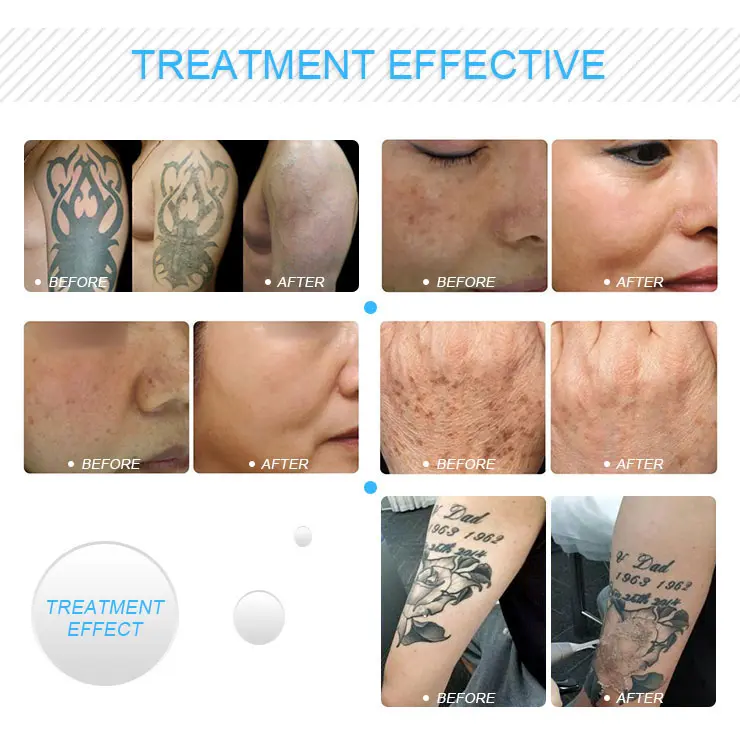
Fast results: Requires only 3-4 treatments for complete tattoo removal, compared to 6-8 with traditional Q-switched lasers.
High performance: Advanced technology completely shatters tough tattoos and stubborn pigments.
Safe for all skin types: Suitable for any skin type without obvious post-treatment pigmentation.
Treatment result 1
Treatment result 2

Specifications

Laser type Pico second ND: YAG Laser
Energy Level Single Mode: Max 400mj (532nm), Max 800mj (1064nm)
Double Mode: Max 800mj (532nm), Max 1600mj (1064nm)
Pulse width 750ps
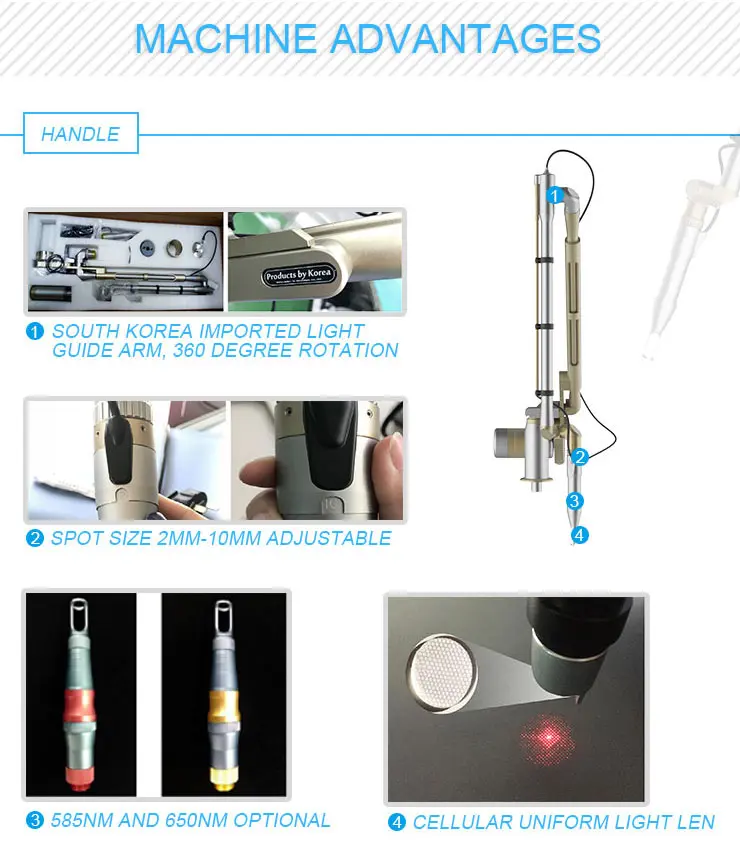
Wavelength 1064nm, 532nm, 585nm (optional), 650nm (optional)
Frequency 1-10Hz
Spot size 2-10mm
Dimension 107 * 50 * 118 CM
Weight 115 KG

Postoperative Care

1. Expected Skin Reactions: After treatment, there may be slight pain, white skin surface, epidermal bleeding, transient redness, swelling, blackening or purpura. These will resolve naturally. If scabs form, allow them to fall off on their own within 7-14 days; do not peel them off manually.
2. Avoid Water Contact: Within a few days post-treatment, keep the treated area dry and away from direct contact with water or chemical solutions to prevent infection. Avoid spicy food, excessive alcohol, and smoking.
3. Transient Pigmentation: A few individuals may experience mild skin pigmentation after treatment, which typically fades naturally within 1 to 3 months.
4. Sun Protection: Strictly avoid direct sun exposure to prevent post-inflammatory hyperpigmentation. Physical sunscreen application is strongly recommended.
5. Professional Consultation: If any abnormal reaction or discomfort occurs after the operation, please visit the clinic promptly for advice.

Exhibition

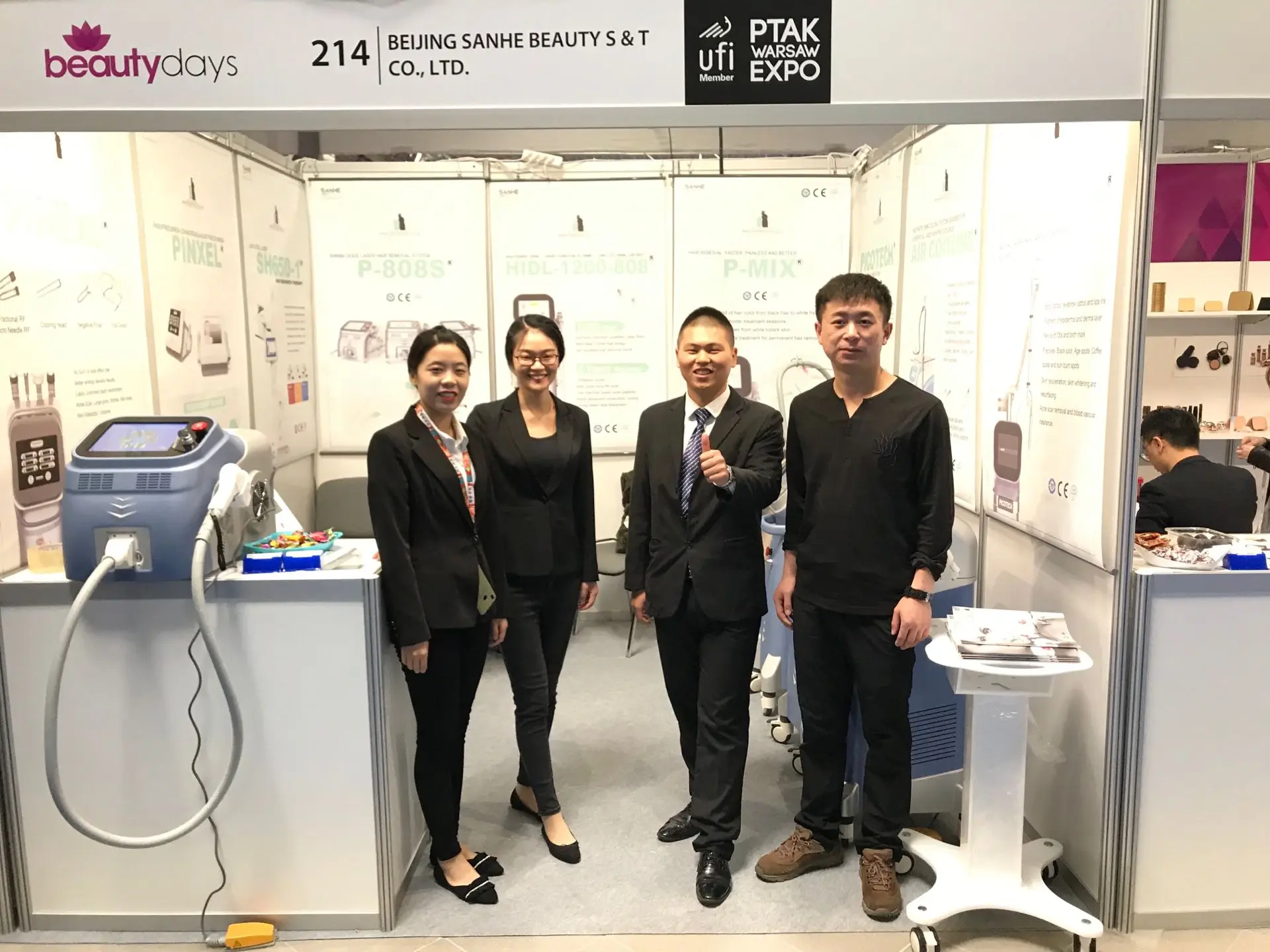
Exhibition image 1
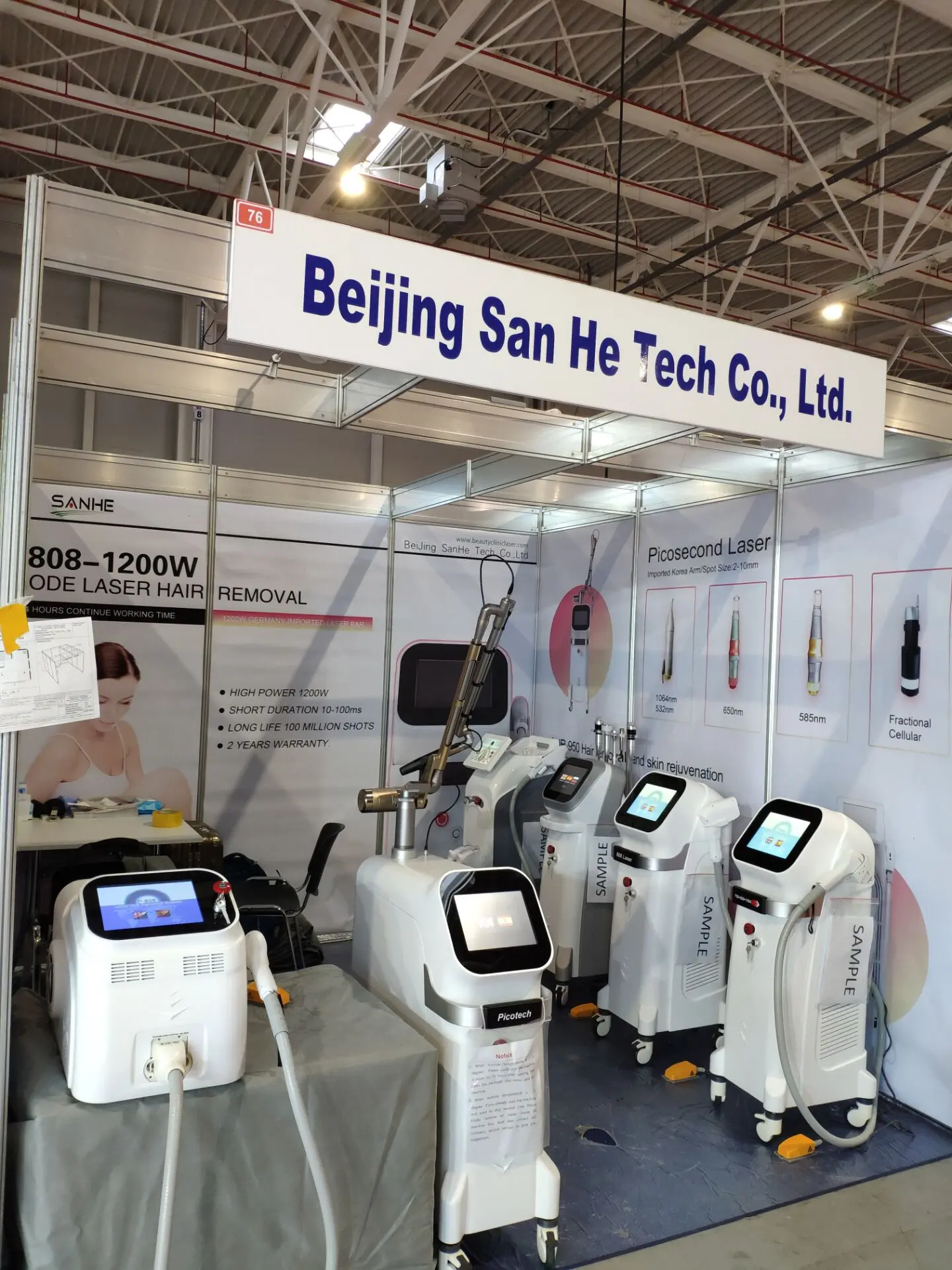
Exhibition image 2
Exhibition image 3

Factory and Delivery

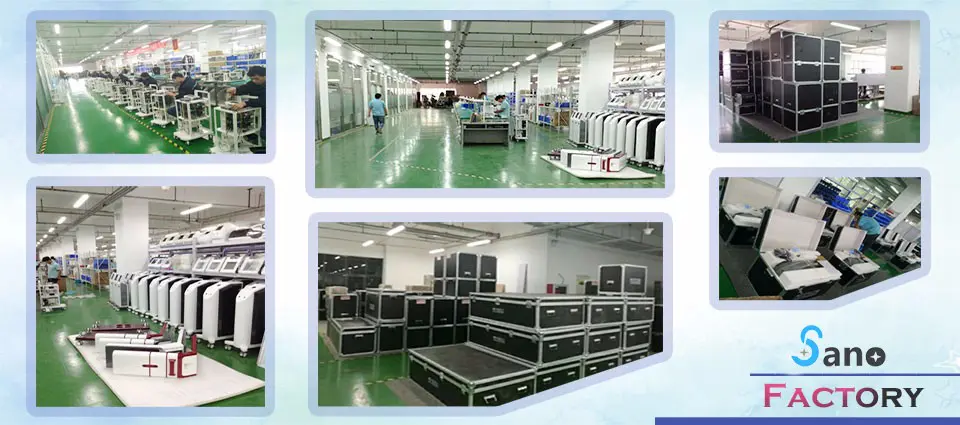
Factory image
Delivery image

Frequently Asked Questions (FAQ)

How does the Picosecond ND:YAG Laser work for pigment removal?

The system relies on selective photopyrolysis. By using an ultra-short pulse width (750ps), light energy is transferred rapidly without converting into heat. The high-peak laser beam rapidly expands and shatters target pigments into microscopic pieces, allowing the body to absorb and eliminate them efficiently with minimal risk to surrounding skin tissue.

How many sessions are typically required for complete tattoo removal?

Traditional Q-switched lasers generally require 6 to 8 treatments. Thanks to the advanced picosecond pulse duration, tattoo pigment particles are crushed more thoroughly, reducing the overall required treatments to just 3 to 4 sessions for complete removal.

Is the picosecond laser treatment painful?

Since the pulse width is reduced to a trillionth of a second, thermal skin damage is significantly lowered. The procedure is much safer, low-risk, and virtually painless, requiring no anesthesia during treatment.

What are the immediate reactions after skin treatment?

Minor surface whitening, transient redness, mild swelling, or temporary scabbing can happen immediately after treatment. These symptoms are normal physiological reactions and will subside naturally. Scabs usually shed spontaneously within 7 to 14 days.

What precautions should be taken after treatment?

Avoid exposing the treated area directly to water for a few days to protect against infection. Strictly apply physical sunscreens to prevent UV-induced pigmentation, and refrain from eating spicy food, drinking alcohol, or smoking during recovery.
Related Products