- +86 136 8127 5833
- [email protected]
- Shunyi, Beijing, China
Explore our premium CE-certified energy-based platforms designed for global clinic deployment.
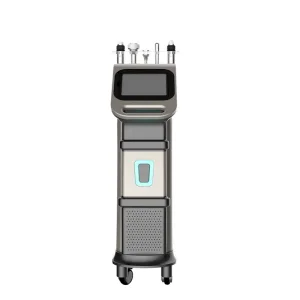
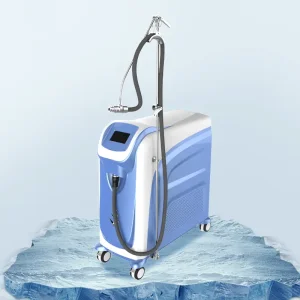
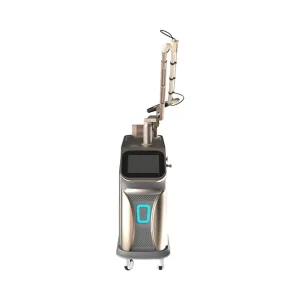
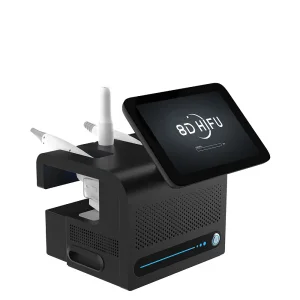
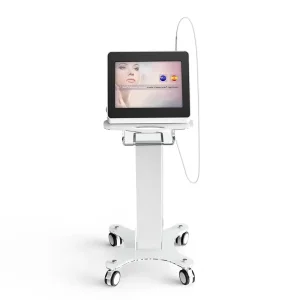
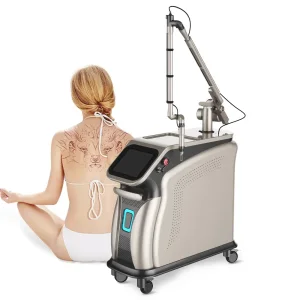
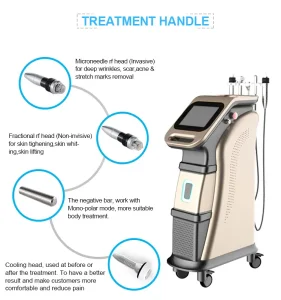
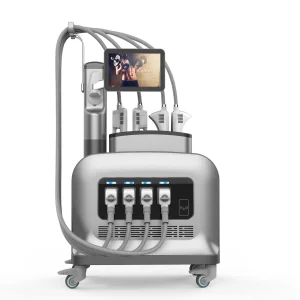
The medical laser aesthetic market relies heavily on solid-state laser physics, among which the Neodymium-doped Yttrium Aluminum Garnet (Nd:Y3Al5O12) crystal represents the undisputed gold standard for dermal pigment fragmentation and deep vascular target heating. Operating at a fundamental wavelength of 1064 nm in the near-infrared spectrum, high-performance Nd:YAG systems achieve deep cutaneous penetration with minimal competitive absorption by epidermal melanin—making them the indispensable clinical platform for dark skin phototypes (Fitzpatrick IV–VI).
The 1064nm NIR wavelength bypasses epidermal scattering, penetrating up to 4–6mm into the reticular dermis to target deep-seated tattoo pigments, dermal melanocytosis, and sub-dermal vascular structures.
By passing the 1064nm fundamental beam through a Potassium Titanyl Phosphate (KTP) non-linear crystal, the frequency is doubled to 532nm emerald light, ideal for superficial epidermal pigment and red tattoo inks.
Utilizing quasi-long pulse dynamics, 1320nm thermal energy interacts with exogenous carbon nanoparticles inside hair follicles and pores to induce micro-exfoliation and sebum reduction.
To select a superior manufacturer, clinical buyers must evaluate pulse width control. Traditional laser systems rely purely on photothermal destruction, heating targets until necrosis occurs. Modern high-power electro-optic Q-switched and picosecond Nd:YAG systems operate in the sub-nanosecond domain (<6ns or sub-500ps). This ultrashort pulse duration compresses multi-megawatt peak optical power into nanosecond bursts, inducing an acoustic shockwave (photomechanical disruption) rather than thermal diffusion.
This photomechanical effect shatters ink pigment and melanosomes into microscopic dust-like particles without raising surrounding tissue temperatures above the thermal relaxation time (TRT). Consequently, patients experience drastically reduced risks of post-inflammatory hyperpigmentation (PIH), scarring, and thermal tissue damage.
| Laser Modality | Pulse Width | Primary Clinical Mechanism | Target Chromophore | Key Clinical Indications |
|---|---|---|---|---|
| Q-Switched Nd:YAG (1064nm) | 3ns – 8ns | Photo-Acoustic Shockwave | Exogenous Ink / Melanin | Black/Blue Tattoos, Nevus of Ota, Melasma |
| Frequency-Doubled KTP (532nm) | 3ns – 6ns | Selective Photothermolysis | Superficial Melanin / Hemoglobin | Freckles, Solar Lentigines, Red Ink Tattoos |
| Long-Pulse Nd:YAG (1064nm) | 10ms – 40ms | Deep Photothermal Coagulation | Oxyhemoglobin / Hair Bulb | Leg Veins, Telangiectasia, Hair Removal (Fitz IV-VI) |
| Picosecond Nd:YAG (1064nm/532nm) | 300ps – 750ps | Pure Photomechanical Stress | Micro-Pigment / Tattoo Inks | Refractory Tattoos, Dermal Rejuvenation, Scarring |
Over the past two decades, China’s medical aesthetic equipment manufacturing sector—centered around high-tech optical industrial zones in Beijing and Guangdong—has evolved into a globally dominant supply hub. As an engineer-led original equipment manufacturer (OEM), premier Chinese factories combine cutting-edge optoelectronic integration with rigorous quality management frameworks.
Leading factories do not compromise on core optics. Premium Chinese Nd:YAG systems feature German Jenoptik cavity bars, Korean 7-joint articulated light guide arms, UK Morgan xenon flashlamps, and Japanese Nidec cooling pumps, ensuring European-grade beam stability at factory-direct pricing.
Our ISO13485 cleanroom assembly lines implement precision laser alignment using optical power meters and beam profiling cameras. Every Nd:YAG cavity undergoes a 50,000 continuous-shot burn-in stress test to guarantee zero energy degradation upon delivery.
From industrial chassis design, injection molding, and custom paint finishes to multi-lingual Android software interfaces and pre-programmed clinical parameters, our engineering team empowers distributors to establish proprietary brand identity effortlessly.
By leveraging China's complete industrial supply chain—from raw Nd:YAG crystal pulling to CNC chassis machining—our factories deliver medical devices at 40%–60% lower capital expenditure (CapEx) compared to Western brands, ensuring fast ROI for medical spas.
Deploying high-power Nd:YAG lasers across international markets requires an intimate understanding of localized skin phototypes, regulatory demands, and patient demographics. Below is how top-tier medical facilities configure Nd:YAG modalities for localized patient profiles.
Wavelength Strategy: 1064nm for black, dark blue, and green inks; 532nm for red, orange, and purple pigments.
Protocol Parameter: Spot size 3mm–6mm, fluence 2.5J/cm² – 8.0J/cm², repetition rate 1Hz–10Hz.
Clinical Safety: High energy density combined with flat-top beam profile prevents hot-spots, minimizing epidermal blistering and textural changes.
Wavelength Strategy: 1064nm for deep dermal melanocytosis (Nevus of Ota, Hori's nevus); 532nm for superficial solar lentigines.
Protocol Parameter: Low-fluence Q-switched "Laser Toning" (1064nm, 1.2–2.0 J/cm², 8mm–10mm spot size).
Clinical Safety: Sub-cellular melanosome destruction preserves melanocyte viability, suppressing pigment rebound in Fitzpatrick III–V skin.
Wavelength Strategy: Dual-step quasi-long pulse followed by Q-switched 1064nm mode.
Protocol Parameter: Sub-ablative carbon micro-explosion (1320nm / 1064nm, 1.5–2.5 J/cm²).
Clinical Safety: Zero-downtime procedure popular in urban medspas for immediate exfoliation, pore minimization, and dermal collagen stimulation.
For international distributors, hospital groups, and aesthetic chains, importing medical laser devices requires strict adherence to international safety and quality protocols. Professional manufacturers operate within certified Quality Management Systems (QMS) to streamline customs clearance and local medical device registrations.
Ensures compliance with stringent European Union medical device directive standards, including comprehensive clinical evaluation reports (CER), risk analysis (ISO 14971), and electromagnetic compatibility testing.
Factories engineer devices with substantial equivalence (SE) to predicate devices, supplying complete technical dossiers, laser safety classifications (Class IV / IEC 60825-1), and software verification documentation.
Governs the complete design, manufacturing, assembly, and post-market surveillance stages. Guarantees full component traceability from crystal growth batches to individual optical lens coatings.
As the global aesthetic laser market projects toward a $5.2 Billion market valuation by 2030, next-generation Nd:YAG platforms are integrating artificial intelligence, dynamic pulse sculpting, and multi-wavelength hybrid optical paths.
Authoritative technical answers curated by senior optoelectronic engineers and regulatory consultants.
Explore our complete OEM factory portfolio for body shaping, hair removal, and skin rejuvenation.
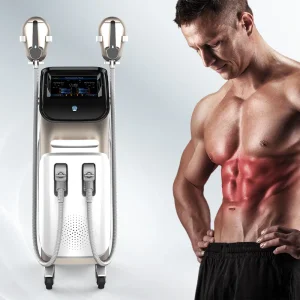
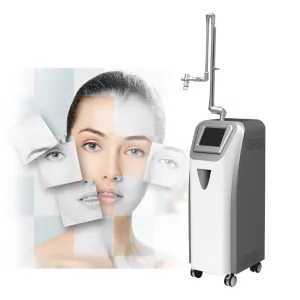
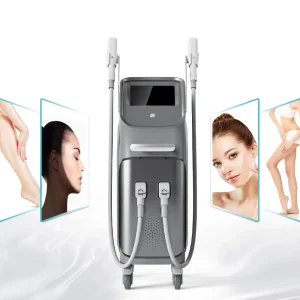
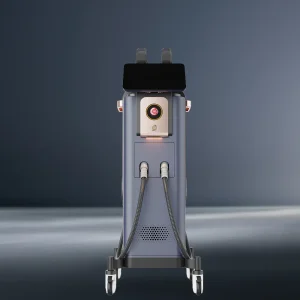
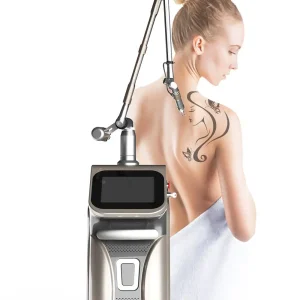
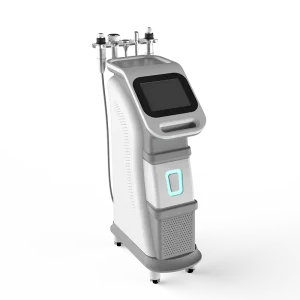
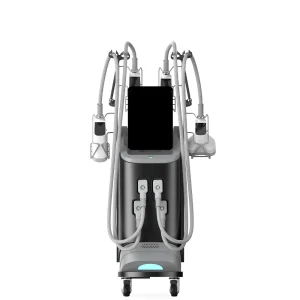
Whether you are expanding an aesthetic equipment distribution network, establishing a hospital dermatology chain, or building a bespoke OEM laser brand, our optical engineering team is ready to assist.