1 / 5
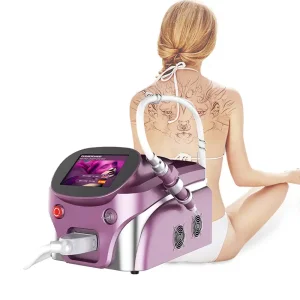
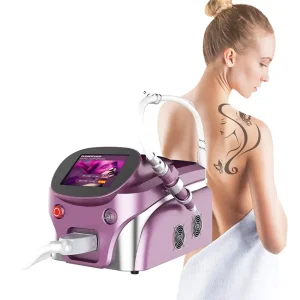
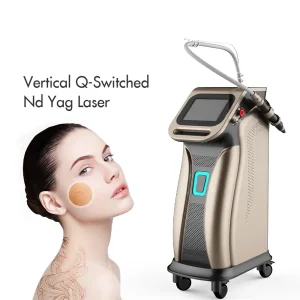
According to the principle of selective photopyrolysis, the shorter the laser's working time, the less energy accumulated in the target tissue will spread to the surrounding tissue. The energy is limited on the target area to be treated, and the surrounding normal tissue is protected, so the selectivity of the treatment is improved and strong. The pulse width of the picosecond laser is only one-hundredth of that of the traditional Q-switched laser. Under this ultra-short pulse width, the light energy is too late to be converted into heat energy, and almost no photothermal effect occurs. The volume of the laser beam is rapidly expanded after being absorbed by the target, and rapidly being torn into pieces by blasting. The damage caused is smaller and the number of treatments is shorter, resulting in stronger efficacy.
When treating, each emitted light energy emitted by the picosecond (ps) laser stays on the skin for a very short period of time (minimum 550 x 10-12), which is more quickly than the general laser (QS 1064nm rubidium chromium, 5 x 10⁻⁹). The application of fast picoseconds can produce a "fast mechanical light shock wave" of melanin, which instantly causes a strong shock wave of melanin. The completely shattered melanin becomes a dust state, which can be quickly metabolized, greatly reduce thermal damage, avoid anti-black, and quickly recover the highland. The treatment effect is better than all the laser instruments for spot removal.
The rapid shock wave time of the Picosecond mechanical laser is superior to the general laser speed. The probability of thermal damage to the skin is greatly reduced, and the risk of stimulating melanin hyperplasia (anti-black) is also reduced.
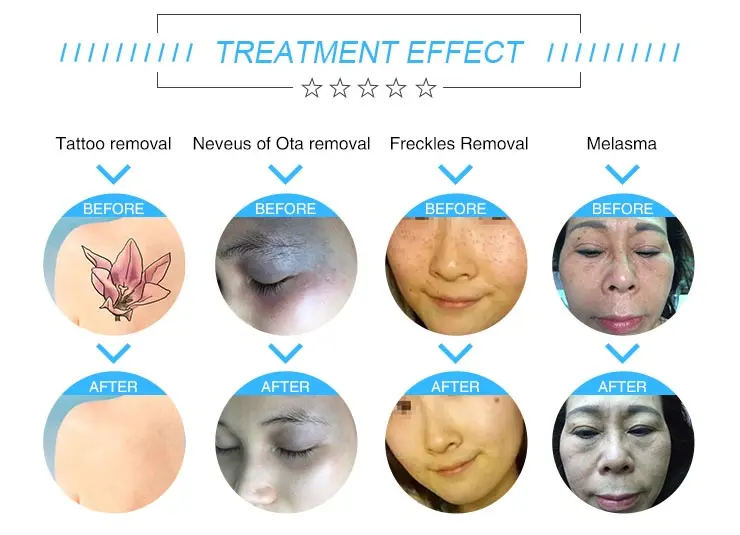
(1) Freckles are recommended to be treated 1-2 times, chloasma is 4--6 times, the doctor decides whether to increase the treatment can see the recovery after treatment.
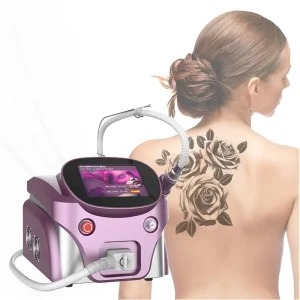
(2) Tattoo removal is mainly determined by the color material. Natural color material can be used only 3 times, and other color materials should be treated according to the recovery situation, with an interval of 3-4 weeks.
| Energy | 100-800mJ adjustable |
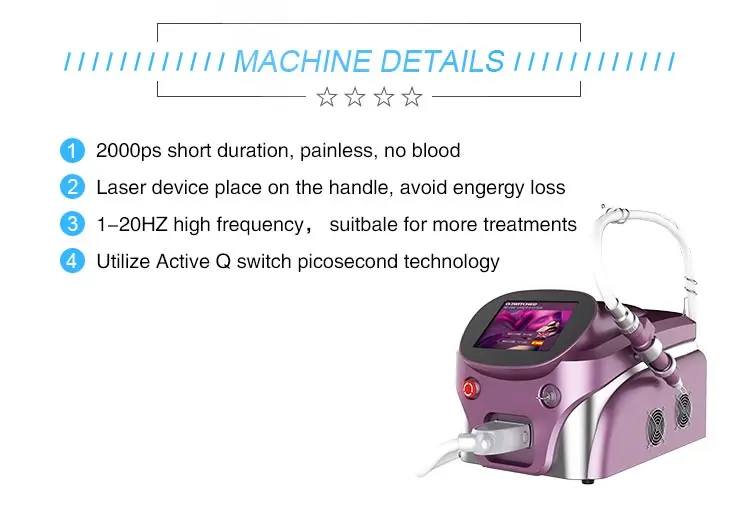
| Frequency | 1-20Hz adjustable |
|
The energy is 100-300 mj, and the frequency is adjustable from 1-20Hz; The energy is 350-550 mj, the frequency is adjustable from 1-15Hz; The energy is 600-800mj, the frequency is 1-10Hz adjustable |
|
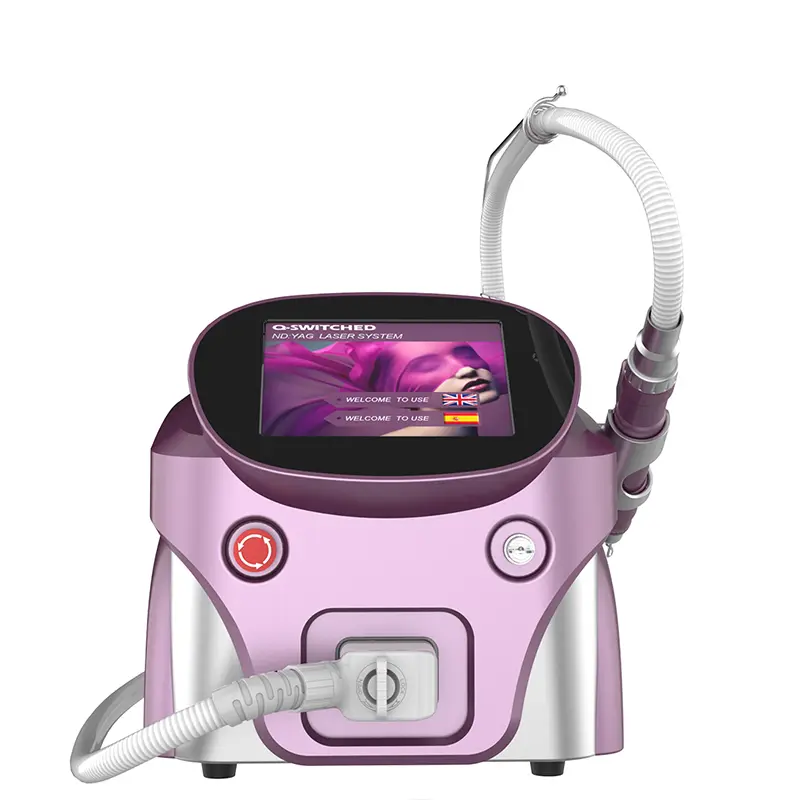
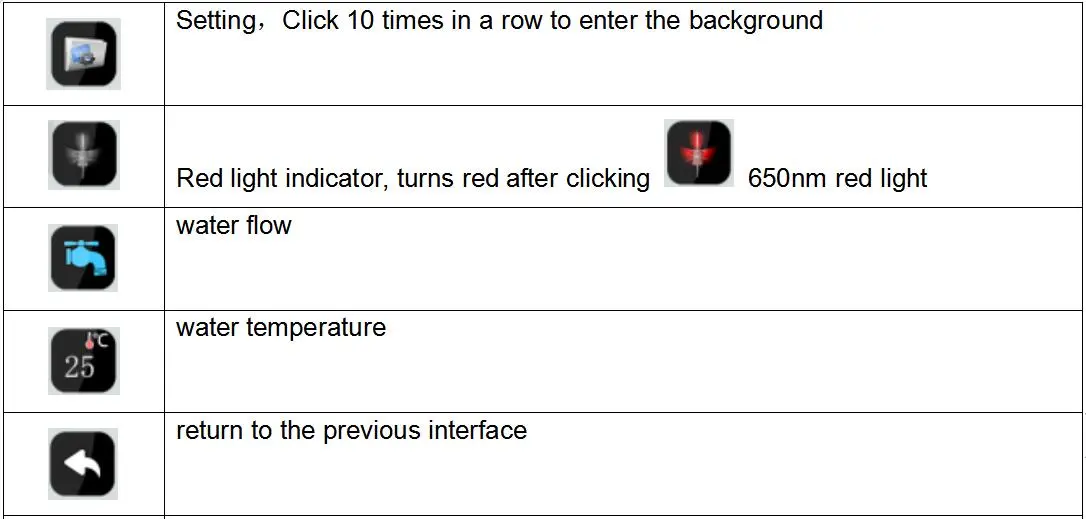
| COUNT | Current count, It will be cleared when you click once; click Count to display the total points used |
| SIMMER | ready signal; when SIMMER turn to green, you can click the working. |
| WORKING | When WORKING lights up, step on the foot switch to emit light |
Picosecond lasers utilize selective photopyrolysis with ultra-short pulse widths to shatter target melanin into tiny dust-like particles via a fast mechanical light shock wave, allowing the body to quickly metabolize the pigment with minimal thermal damage to surrounding tissue.
Freckles usually require 1 to 2 sessions, while chloasma may take 4 to 6 sessions. For tattoo removal, natural pigments may need as few as 3 sessions, whereas other colors depend on individual skin recovery.
It is generally recommended to allow an interval of 3 to 4 weeks between sessions to give the skin adequate time to recover and naturally metabolize the shattered pigment.
Because the ultra-short pulse width significantly reduces thermal damage to surrounding skin, the probability of heat-induced skin damage and hyperpigmentation (anti-black) is greatly minimized compared to traditional lasers.
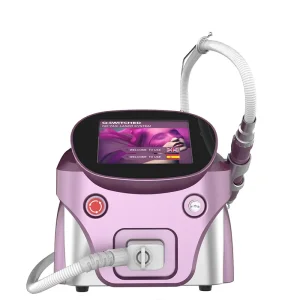
When the SIMMER signal indicator turns green, the unit is ready. Once the WORKING indicator light illuminates, stepping on the foot switch will emit the laser light.
This device treats epidermal/dermal pigments, Nevus of Ota, birthmarks, freckles, age/sun spots, acne scars, vascular lesions, tattoos (body, eyebrows, lips), and performs general skin rejuvenation and whitening.