- +86 136 8127 5833
- [email protected]
- Shunyi, Beijing, China
Explore our engineering-grade, CE-compliant platforms manufactured under ISO 13485 standards for global distributors and clinical practices.
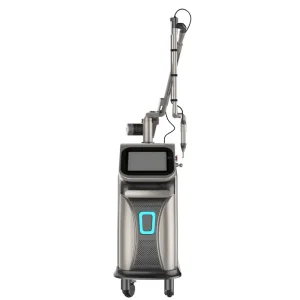
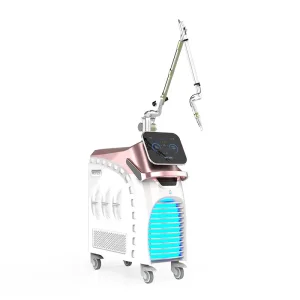
CE Certification Picosecond Nd:yaglaser tattoo removal machine Supplier, Factory
Inquire Machinery Specs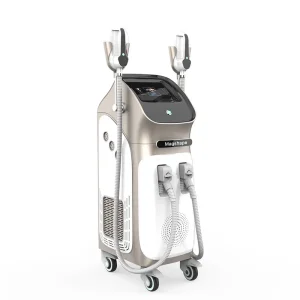
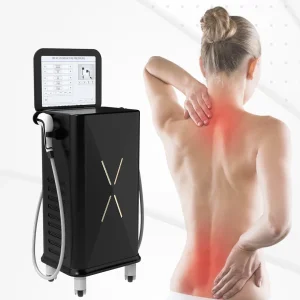
Wholesale Muscle Building Burn Fat magshape machine Manufacturers, Suppliers
Inquire Machinery Specs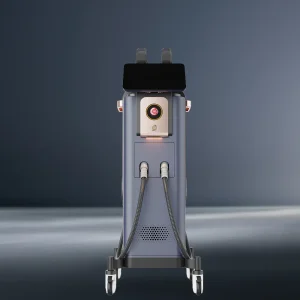
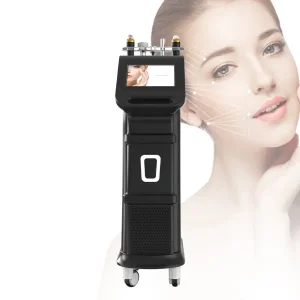
CE Certification Dpl Hair Removal Skin Rejuvenation Machine Manufacturer, Suppliers
Inquire Machinery Specs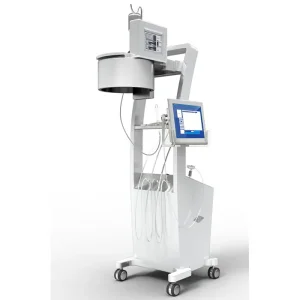
CE Certification New Arrival Comfortable 650Nm Laser Diodes Hair Loss Treatment Machine For Hair Growth Supplier, Factory
Inquire Machinery Specs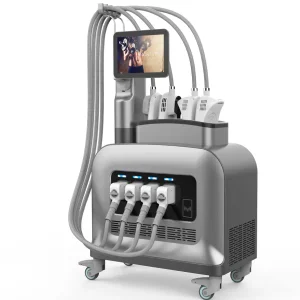
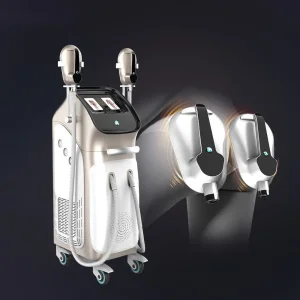
CE Certification CE Approved 4 Working Heads Body Muscle Building Fat Removal Emslim Machine Manufacturer, Supplier
Inquire Machinery SpecsThe global aesthetic device market is experiencing an unprecedented surge in demand for non-invasive pigment clearing and tattoo removal technologies. driven by shifts in consumer lifestyle, career transitions, and the desire for high-quality tattoo cover-ups, purchasing managers and clinical directors face an evolving market landscape. When enterprises look to wholesale buy tattoo removal laser machines, understanding the underlying technological migration is critical for safeguarding capital expenditure and maximizing return on investment (ROI).
Historically dominated by traditional nanosecond Q-Switched Nd:YAG lasers, the industry standard has rapidly pivoted toward Picosecond Laser Technology. This paradigm shift is not merely incremental; it redefines the photomechanical mechanics of ink fragmentation. While nanosecond devices rely heavily on photo-thermal action—which carries a higher risk of bulk thermal damage, scarring, and post-inflammatory hyperpigmentation (PIH)—picosecond platforms deliver energy in trillionths of a second. This ultra-short pulse width induces a powerful photo-acoustic shockwave, shattering ink particles into microscopic dust-like fragments that are rapidly cleared by the human lymphatic system.
To make an informed B2B procurement decision, buyers must evaluate the underlying hardware architecture of direct OEM/ODM manufacturers like Beijing Sano Laser Development S&T Co., Ltd. The clinical efficacy of a tattoo removal laser relies on three foundational physical pillars: Selective Photothermolysis, Stress Confinement, and Beam Profile Stability.
Stress confinement occurs when the laser pulse width is shorter than the acoustic transit time across the target pigment particle. Picosecond pulses (<450ps) satisfy stress confinement, transforming laser energy into mechanical disruption rather than heat. This prevents surrounding dermal necrosis.
Low-cost suppliers utilize Gaussian beam profiles, which exhibit severe central energy peaks causing pinpoint bleeding and hypopigmentation. Premium OEM systems employ optical lens arrays to produce uniform "Flat-Top" square or round spots, ensuring equal energy distribution across the target zone.
Industrial-grade devices feature imported Korean 7-joint articulated optical arms. High-precision optical mirrors maintain optical polarization, reducing energy loss to under 10% from the laser rod cavity down to the handpiece tip.
| Feature Parameter | Standard Q-Switched Nd:YAG | High-End Picosecond Laser | B2B Purchasing Impact |
|---|---|---|---|
| Pulse Duration | 5 ns – 10 ns (Nanoseconds) | 300 ps – 450 ps (Picoseconds) | Picosecond requires 75% shorter pulse, minimizing skin trauma. |
| Primary Mechanism | Photo-Thermal (Heat dominant) | Photo-Acoustic (Shockwave dominant) | Photo-acoustic eliminates thermal damage risks on dark skin. |
| Average Treatment Count | 8 – 12 Sessions | 4 – 6 Sessions | Faster throughput boosts clinic patient turnover and satisfaction. |
| Pigment Particle Size | Pebble-sized fragmentation | Dust-sized fine fragmentation | Finer particles are engulfed rapidly by macrophages. |
| Risk of PIH / Scarring | Moderate to High | Extremely Low | Low risk reduces clinical liability for enterprise buyers. |
When purchasing managers select a long-term supply chain partner for wholesale tattoo removal machines, looking beyond initial unit cost is vital. Total Cost of Ownership (TCO), build quality, laser cavity longevity, and post-purchase engineering support dictate the commercial success of a distributor or clinic chain.
A premier manufacturer should transparently disclose component origin. The core power supply should utilize Opto-Electronic Technology (OPT) modular assemblies capable of handling high peak power demands without voltage drop. Lasers utilizing single-rod versus double-rod configuration alter energy efficiency significantly. Dual-lamp, double-rod cavities deliver double the energy density while extending rod operational lifespan.
Industrial-grade factory quality control must include a mandatory 48-to-72-hour burn-in period. Thermal imaging cameras check water cooling loop efficiency, and energy meters measure micro-joule variance across 100,000 consecutive shots to guarantee zero energy attenuation over time.
Medical-grade internal chassis design separates high-voltage electronic components from the dual-pump water circulation system, preventing electrical shorts and extending component life.
Integrated TEC (Thermoelectric Cooling) or compressor-based cooling loops hold internal water temperature at an optimal 22°C–26°C, allowing 24-hour continuous clinic operation without automatic thermal shutdown.
For large distributors, hardware branding, customized casing colors, multi-language Android-driven software UI, and cloud-connected shot-tracking systems must be fully supported.
Leading aesthetic clinics rarely rely on a single technology. To optimize room turnover and maximize patient lifetime value (LTV), modern facility managers deploy laser tattoo removal systems alongside complementary aesthetic treatment platforms.
High-fluence laser pulses generate sudden epidermal thermo-elastic expansion. Pairing picosecond tattoo removal systems with dedicated Air Cryo Skin Cooling Machines (supplying continuously chilled air down to −35°C) dramatically lowers patient pain, protects epidermal melanocytes, and allows clinicians to safely apply higher fluences per session for faster ink clearance.
By establishing treatment packages, clinics cross-sell services to tattoo removal clients. A standard protocol often integrates body contouring systems (such as EMS Magshape muscle-building platforms or Cryolipolysis slimming equipment) and skin rejuvenation suites (like 808nm diode laser hair removal and RF microneedling) within the same facility ecosystem.
Navigating international medical device regulations is a critical milestone when importing aesthetic machinery from manufacturing hubs. Tier-1 manufacturers provide full regulatory and technical backing to ensure fast customs clearance and legal operating compliance.
Machines must hold valid Medical CE under Regulation (EU) 2017/745 (MDR) or CE EMC/LVD certifications, ISO 13485 Quality Management System standards, and electrical safety compliance under IEC 60601-1 and IEC 60601-2-22.
To eliminate clinical downtime, global manufacturers supply modular internal engineering. Quick-connect water circuits and plug-and-play PCB boards allow local technician replacement within 24 hours via express spare parts shipping.
Hardware without operational knowledge risks clinical failure. SANO Laser provides comprehensive online video modules, written treatment guidelines based on Fitzpatrick Skin Typing (Types I–VI), and direct access to senior optical engineers.
As optical design advances, next-generation tattoo removal systems will integrate advanced automation and intelligent diagnostics. Buyers planning equipment cycles over the next 5 to 7 years should evaluate how manufacturers are addressing these technological shifts:
The 1064nm wavelength is selectively absorbed by dark pigments (black, dark blue, dark brown) and penetrates deeply into the dermis. Because of its lower absorption in epidermal melanin, it is exceptionally safe for Fitzpatrick Skin Types IV–VI. The 532nm wavelength (frequency-doubled KTP) targets brighter red, orange, and yellow pigments situated in shallower epidermal layers.
For high-peak-power Q-Switched and Picosecond lasers (operating in megawatts of peak power), optical fiber delivery can burn or degrade rapidly due to high energy density. An articulated arm utilizing 7 optical mirrors reflects high-energy laser beams through air without optical fiber breakdown, ensuring maximum energy transmission and precise spot alignment.
Standard catalog purchases generally carry an MOQ of 1 unit. For custom OEM branding (custom machine housing colors, logo printing, localized software UI, and branded packaging), MOQs start at 3 to 5 units, with manufacturing lead times ranging between 7 and 14 business days depending on technical specifications.
All SANO Laser platforms include a 2-year factory warranty. This covers remote engineer diagnostics, free replacement of spare parts during the warranty period, and lifetime technical maintenance support. Technical video consultations are handled directly by assembly engineers within 24 hours.
Select specialized equipment from our extended manufacturing line for clinical body sculpting, skin tightening, and advanced dermatological laser treatment.
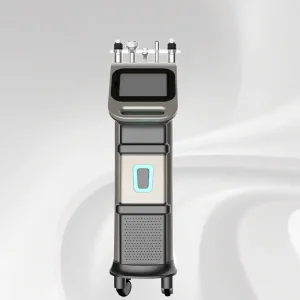
High-Quality salon use rf skin tightening face lifting radio frequency machine Suppliers, Factory
Inquire Machinery Specs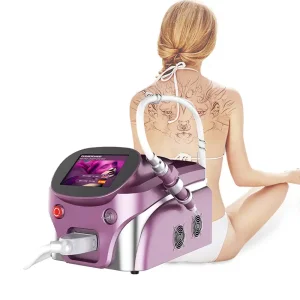
Wholesale Portable Q Switch Nd Yag Laser tattoo removal pico laser using carbon gel Manufacturer, Supplier
Inquire Machinery Specs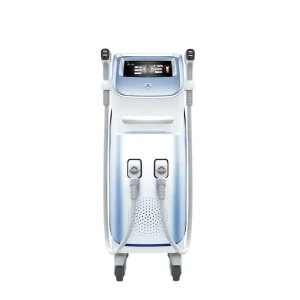
High-Quality 1200W+2000W 808nm Diode Laser Hair Removal Machine Manufacturers, Supplier
Inquire Machinery Specs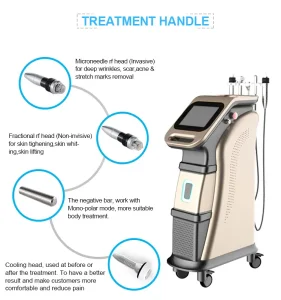
High-Quality Sano Laser Micro needle RF fractional rf system radio frequency Manufacturers, Suppliers
Inquire Machinery Specs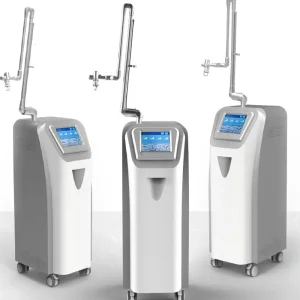
OEM laser fractional co2/medical fractional laser co2/beauty machine for doctor use Suppliers, Factories
Inquire Machinery Specs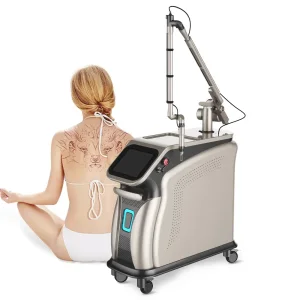
Wholesale 532NM 1065NM Picosecond Laser Tattoo Remover Nd Yag Laser Tattoo Removal Suppliers, Factory
Inquire Machinery Specs