- +86 136 8127 5833
- [email protected]
- Shunyi, Beijing, China
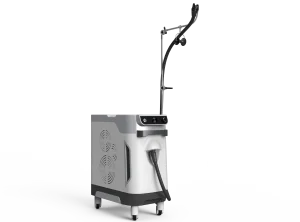
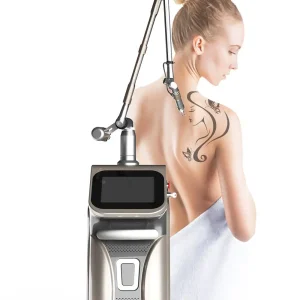
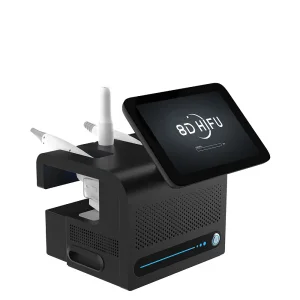
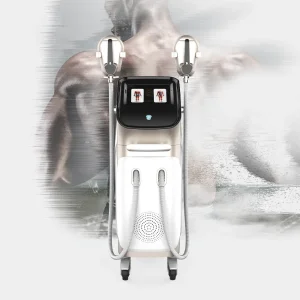
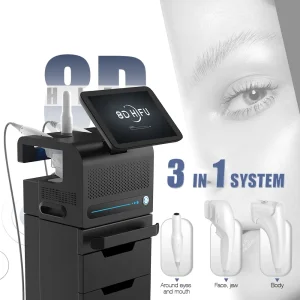
Explore our core engineering catalog, featuring medical-grade lasers, precision cooling platforms, and non-invasive facial sculpting hardware built to international CE standards.
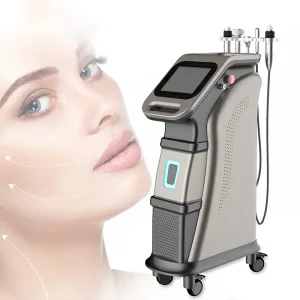
A comprehensive analysis of non-invasive hydro-dermabrasion growth, clinical adoption rates, and hardware evolution across international aesthetic markets.
The global aesthetic technology landscape has undergone a structural shift over the past decade. Non-invasive hydro-facial systems—commonly recognized under terms like hydro-dermabrasion, vortex facial extractors, and micro-fluidic skin resurfacing platforms—have evolved from luxury spa amenities into core diagnostic and therapeutic workhorses for medical spas, dermatological clinics, and wellness resorts worldwide.
According to current global market telemetry, the non-invasive skincare equipment sector is expanding at a Compound Annual Growth Rate (CAGR) exceeding 12.4%. The primary driver behind this rapid adoption is consumer demand for high-efficacy, zero-downtime procedures that combine physiological cleansing, mechanical exfoliation, biochemical extraction, and transdermal nutrient infusion into a single treatment protocol.
Early-generation facial machines relied exclusively on mechanical diamond microdermabrasion or basic suction wands. These early designs suffered from inconsistent fluid dynamics, frequent tip clogging, cross-contamination risks, and minimal transdermal delivery capability. Today's commercial aesthetic landscape requires sophisticated, multi-modal platforms that aggregate several complementary modalities into a single ergonomic chassis:
Understanding the mechanical, electrical, and pneumatic specifications that separate medical-grade OEM facial platforms from low-tier commercial units.
The core component of any hydro-facial machine is its liquid delivery pump. Industrial OEM manufacturing favors dual high-flow peristaltic pumps over cheaper diaphragm pumps.
Hydro-dermabrasion efficacy is fundamentally dictated by the fluid mechanics occurring at the handpiece contact surface. OEM precision engineering optimizes tip geometry for max efficiency.
High-volume aesthetic centers demand maximum machine uptime. Modern OEM architectural design utilizes quick-connect modular assembly for rapid servicing.
When sourcing equipment, buyers must distinguish between low-cost consumer units and true clinical-grade OEM platforms. The table below details the engineering parameters that govern machine performance and long-term operating durability.
| Engineering Specification | Standard Consumer / Entry-Level Unit | SANO OEM Industrial Medical-Grade Platform |
|---|---|---|
| Max Negative Vacuum Pressure | 30 kPa – 55 kPa (Unregulated) | 80 kPa – 100 kPa (Digital Closed-Loop Sensor Controlled) |
| Fluid Circulation Motor Type | Single Diaphragm Pump (Corrosion Prone) | Dual Japanese Brushless Peristaltic Pumps (Anti-Corrosive) |
| Internal Hydraulic Tubing | Standard PVC (Degrades with Salicylic Acid) | Medical-Grade Platinum-Cured Silicone & PTFE Lines |
| RF Energy Output Frequency | 500 kHz Unstable Fixed Output | 1 MHz – 3 MHz Dynamic Multi-Polar Vector Frequency |
| Diagnostic Camera Spectral Modes | Basic White LED Light (0.3 MP) | RGB + UV + Polarized Light Spectral Analysis (16 MP - 20 MP) |
| Operational Service Lifespan | 6 – 12 Months Continuous Operation | > 50,000 Treatment Cycles (Backed by 2-Year Warranty) |
Why leading global aesthetic brands and medical device distributors partner directly with advanced manufacturing hubs in China.
The manufacturing landscape for aesthetic medical devices has experienced a massive evolution over the past fifteen years. China has transformed from an assembly-focused manufacturing economy into a global powerhouse of R&D innovation, precision engineering, and complete supply-chain vertical integration.
Partnering directly with an established Beijing-based OEM/ODM factory like SANO Laser provides international B2B buyers, private-label brand owners, and regional distributors with strategic advantages that extend far beyond initial machine unit pricing:
From custom metal chassis fabrication and precision CNC probe machining to SMT circuit board assembly and UI software coding, complete production happens under one roof. This minimizes component procurement lead times from months to days.
Global distributors require unique market positioning. OEM factory capabilities allow complete machine customization, including exterior industrial design, customized pantone housing color schemes, multi-lingual UI menu localization, and tailored tip tooling.
Export-grade OEM production adheres strictly to ISO 13485 quality management systems. Every machine undergoes a mandatory 72-hour continuous burn-in test, fluid leak pressure testing at 1.5x max operating load, and electrical safety insulation checks before shipment clearance.
How versatile multi-function hydro-facial platforms fit into diverse medical, aesthetic, and commercial operational environments worldwide.
Primary Need: Rapid ROI, zero downtime, high turnover membership models.
In mature aesthetic markets, hydro-facial treatments serve as the foundational "gateway" procedure for patient acquisition. MedSpas implement standardized 30-minute Express Hydro-Facial packages using automated serum delivery protocols. The device acts as a primary client retention mechanism, feeding clients into higher-margin procedures like Pico Laser tattoo removal, RF microneedling, or HIFU lifting treatments.
Primary Need: Deep follicular extraction, sebum regulation, micro-inflammation management.
Clinical dermatology facilities leverage targeted BHA (Salicylic Acid) micro-vortex extractions to treat Grade I and II acne vulgaris. Combining negative-pressure follicle extraction with $H_2O_2$ jet sprayers effectively reduces Cutibacterium acnes load without mechanical trauma, preparing the skin for clinical-grade laser skin resurfacing or chemical peeling protocols.
Primary Need: Painless rejuvenation, anti-glycation facial sculpting, immediate glow factor.
In luxury hospitality environments, treatment protocols blend mechanical hydro-exfoliation with multi-polar RF dermal tightening and oxygenated micro-misting. Guests experience immediate visible tightening, pore refinement, and deep tissue hydration without post-treatment erythema, making it ideal for event-prep facials.
Strategic insights into emerging technological integration reshaping the future of professional facial skin care platforms.
As the B2B aesthetic machinery sector advances, traditional stand-alone equipment designs are rapidly giving way to smart, connected diagnostic-therapeutic ecosystems. OEM factories are currently pioneering several critical innovations:
Next-generation OEM platforms now feature built-in high-definition skin diagnostics utilizing RGB, Polarized, and UV light spectrum analysis. The onboard AI engine evaluates pore congestion, sebum levels, pigmentation density, and moisture balance. Based on real-time diagnostic scores, the system automatically calculates and regulates the exact ratio of AHA, BHA, and peptide solutions delivered through the hydro-vortex wand.
Advanced electrolytic electrolysis modules integrated directly inside the machine chassis turn pure distilled water into hydrogen-rich water ($H_2$ concentration > 1400 ppb). When delivered under micro-jet pressure, these free hydrogen molecules cross cell membranes to select and neutralize toxic hydroxyl free radicals ($OH^-$), halting oxidative stress at a cellular level.
Modern clinical guidelines highlight the power of combining hydro-dermabrasion with energy-based devices. Clearing the stratum corneum of dead keratinized cells and oxidized sebum prior to applying diode laser hair removal, fractional CO2 laser, or picosecond laser treatments reduces optical light reflection on the epidermal surface, resulting in up to 30% higher photon penetration into the target dermis.
Evaluating capital expenditures, consumable operational costs, and profit margin models for commercial aesthetic machine sourcing.
For B2B buyers, equipment sourcing decisions must balance initial capital expenditure (CapEx) with long-term operating costs (OpEx). Commercial hydro-facial devices represent one of the highest margin hardware investments in the medical aesthetic sector due to minimal ongoing consumable expense and high client repeat frequency.
Sourcing directly from an established OEM manufacturer eliminates multi-tier distributor markups, reducing unit acquisition costs by 50% to 70% compared to Western brand-name equivalents, while maintaining identical or superior internal component quality.
Unlike proprietary cartridge systems that lock clinics into expensive recurring fluid costs ($30–$50 per treatment tip/serum kit), open-architecture OEM systems allow clinics to utilize bulk-concentrated solutions and universal silicone tips, dropping per-treatment consumable costs below $3.00.
Assuming a conservative average treatment fee of $150 per hydro-facial session and a daily treatment throughput of 4 patients, a commercial venue generates $600 in gross daily revenue. An OEM medical-grade platform pays back its complete capital acquisition cost within 15 to 30 days of active clinic deployment.
In-depth technical and commercial answers from SANO Laser’s senior engineering and export support desks.
Medical-grade spa hydra facial machines are distinguished by negative vacuum suction pressure (reaching 80 kPa to 100 kPa), pump architecture (utilizing medical peristaltic pumps rather than standard diaphragm pumps), fluidic tubing composition (platinum-cured silicone resistant to chemical erosion), and internal component isolation certified under IEC 60601-1 electrical medical safety standards. Furthermore, clinical platforms integrate secondary modalities like multi-polar RF, ultrasonic sonophoresis, and high-resolution diagnostic cameras.
Our OEM system architecture incorporates an automated high-pressure reverse-purge cycle and dedicated solvent rinse lines. The fluid circuit utilizes wide-bore, anti-static PTFE tubing paired with a dedicated rinse bottle interface. After clinical sessions, the operator initiates a 60-second automated cleaning loop that flushes warm distilled water and micro-enzymatic cleansing solution through internal valves and handpiece channels, eliminating serum crystallization risks.
SANO Laser provides complete, end-to-end white-label and ODM customization. This includes custom structural chassis development, injection mold customization, specific pantone body colors, laser-engraved acrylic branding, custom boot-screen logo integration, multi-language UI software options (English, Spanish, German, French, Arabic, Russian), and custom protective flight case packaging.
All export equipment ships with full CE compliance documentation, EMC testing reports, LVD electrical safety test certificates, and ISO 13485 quality management manufacturing records. Comprehensive technical dossiers, factory calibration certificates, user manuals, and clinical treatment protocol guidelines are provided with every order to assist importers with regional regulatory registrations.
We back our equipment with a standard 2-year factory warranty. In the event of a component issue, our engineering team handles remote video diagnostic analysis within 24 hours. Replacement modular parts (such as replacement pumps, mainboards, power modules, or handpiece wands) are dispatched immediately via express DHL/FedEx air freight at zero charge during the warranty term.
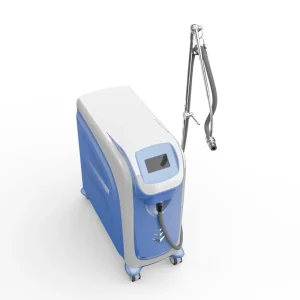
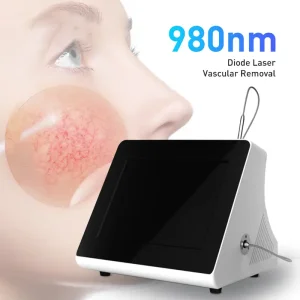
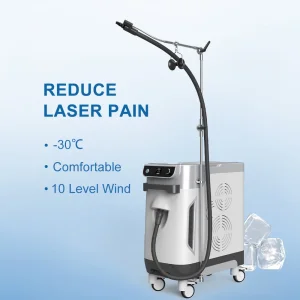
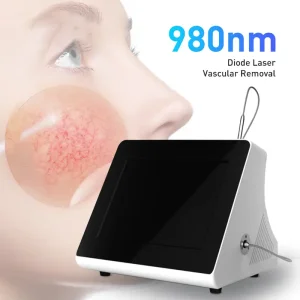
Explore our broader technical portfolio, encompassing diode lasers, vascular treatment units, body contouring systems, and specialized skin cooling chillers.
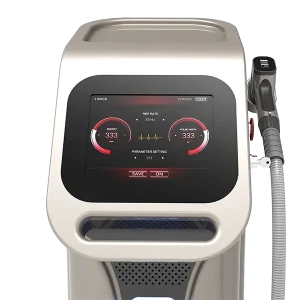
Connect directly with our Beijing engineering desk for custom chassis development, private labeling inquiries, bulk pricing tier structures, and technical documentation support.