- +86 136 8127 5833
- [email protected]
- Shunyi, Beijing, China
Explore our core OEM/ODM manufactured medical aesthetic platforms engineered for clinical precision, reliability, and practitioner performance worldwide.
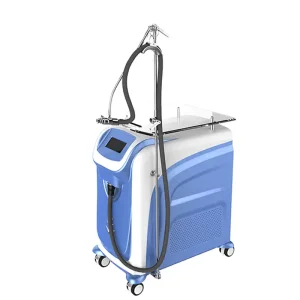
In modern medical dermatology and aesthetic laser surgery, managing epidermal thermal relaxation times is paramount to preventing thermal injury, post-inflammatory hyperpigmentation (PIH), and severe patient discomfort. As high-power lasers—such as 808nm diode systems, 1064nm Nd:YAG, Picosecond platforms, and fractional CO2 lasers—push the boundaries of energy density (fluence), continuous chilled air systems have emerged as the gold standard for non-contact epidermal cooling.
According to Google Search Quality Rater Guidelines and clinical physics standards, thermal management during photothermal treatments relies on Selective Photothermolysis. While the target chromophore (melanin, hemoglobin, or tattoo ink) absorbs light energy within milliseconds, the basal layer of the epidermis must remain protected below the critical thermal damage threshold of 45°C.
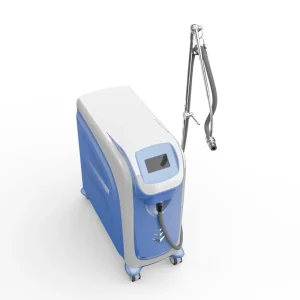
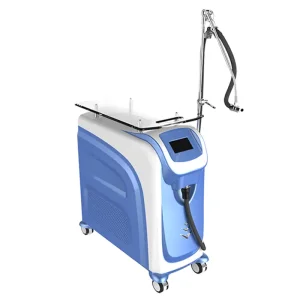
High-performance air skin cooling machine manufacturers engineer closed-loop refrigeration systems that blow sub-zero air (-20°C to -35°C) directly onto the target skin zone before, during, and after laser emission. Unlike contact cooling (sapphire tips) or cryogen sprays, forced cold air does not interfere with laser beam transmission, maintains optical transparency, covers large treatment zones continuously, and poses zero risk of cryogen burns or consumable depletion.
A rigorous engineering comparison between cold air forced convection systems and alternative clinical cooling modalities.
| Cooling Technology | Continuous Air Cooling (-30°C) | Contact Sapphire Cooling | Dynamic Cryogen Spray (DCD) | Topical Ice Packs / Gel |
|---|---|---|---|---|
| Cooling Mechanism | Forced convection sub-zero air blast | Conductive heat transfer via crystal tip | Evaporative cooling via tetrafluoroethane | Passive thermal conduction |
| Pre/Post-Cooling Capability | Simultaneous Pre, Intra, and Post-cooling | Pre and Intra cooling only during contact | Millisecond burst pre-laser shot only | Pre and Post-treatment only |
| Beam Interference | Zero beam reflection or deflection | Optical refraction risk; requires clean gel | Substance residue on skin window | Incompatible with real-time laser firing |
| Consumable Operating Cost | $0 / Hour (Atmospheric ambient air) | $0 (Requires replacement tips over time) | High ($50 - $150 per canister gas) | Low (Ice replacement / labor heavy) |
| Epidermal Safety Index | Highest (Prevents thermal stack) | Medium-High (Diminishes with rapid firing) | Medium (Risk of frostbite or hyperpigmentation) | Low-Medium (Inconsistent thermal control) |
| Clinical Applicability | Diode, CO2, Pico, RF Microneedling, IPL | Primarily Contact Hair Removal Lasers | Specific Pulsed-Dye / Alexandrite Lasers | Basic aesthetic spa treatments |
Leading Chinese factory suppliers and OEM manufacturers have overhauled traditional chiller engineering to achieve ultra-quiet operation, high thermal stability, and low energy consumption. Below is the multi-stage system architecture that defines elite cold air machines.
Equipped with medical-grade, hermetically sealed rotary compressors utilizing eco-friendly refrigerants (such as R404A or R290). The dynamic inverter compressor scales motor output in real time based on temperature feedback loops, maintaining stable -30°C output over 12+ hours of uninterrupted clinical operation.
Utilizes high-static-pressure centrifugal turbines capable of pushing airflow rates up to 1500 Liters/min across 1-10 adjustable fan speeds. The internal ducting features anti-condensation thermal insulation and smooth-bore airflow paths to prevent pressure drop and ice blockages inside the delivery tube.
Integrated capacitive touchscreens communicate with dual temperature sensors at the air outlet and heat exchanger. Proportional-Integral-Derivative (PID) algorithms continuously adjust cooling cycles, auto-defrost protocols, and fan speeds to guarantee zero temperature drift during intense procedures.
A common pain point in older cold air chillers was high operational noise (>70 dB), causing fatigue for practitioners and anxiety for patients. Modern OEM factories incorporate high-density acoustic insulation foam, internal sound baffles, and brushless DC blower motors to reduce sound levels below 55 dB—creating a tranquil clinical atmosphere.
When air is chilled down to -30°C, ambient moisture condenses and forms frost inside the evaporator coils. Intelligent Chinese cooling systems feature automated hot-gas bypass defrost cycles that clear internal frost buildup in seconds without heating the external air wand, allowing medspas to run back-to-back client sessions without manual downtime.
How top aesthetic clinics, dermatology centers, and medical spas integrate air skin cooling machines alongside primary laser platforms.
During 808nm / 755nm / 1064nm high-speed laser hair reduction, continuous sub-zero forced air is directed right at the laser spot via a specialized adapter nozzle attached to the handpiece. It protects darker skin tones (Fitzpatrick IV-VI) from superficial epidermal burning while allowing high fluence delivery to target hair follicles.
Photo-acoustic shockwaves generated by Picosecond and Q-switched lasers break down ink particles but induce significant erythema and localized edema. Pre-chilling the dermal surface numbs nerve endings naturally, eliminating the need for topical anesthetic creams and reducing post-treatment inflammation by up to 60%.
Ablative CO2 micro-beams create vertical thermal zones in the dermis. Post-procedure application of -30°C cold air rapidly draws residual heat out of surrounding tissue, dramatically mitigating painful post-laser burning sensations and reducing healing downtime for acne scar patients.
During insulated or non-insulated RF microneedling and 980nm vascular spider vein therapy, air cooling prevents thermal energy from accumulating near the skin surface, preserving collagen remodeling benefits while minimizing risk of superficial crusting or blister formation.
China’s medical aesthetic manufacturing infrastructure—centered in technology corridors such as Beijing, Guangdong, and Jiangsu—offers unmatched supply chain integration, cost efficiency, and R&D responsiveness.
Detailed technical answers provided by senior biomedical engineers to assist global distributors and clinic owners in equipment evaluation.
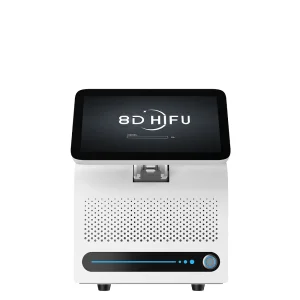
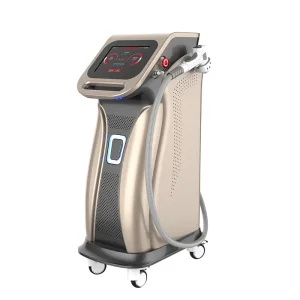
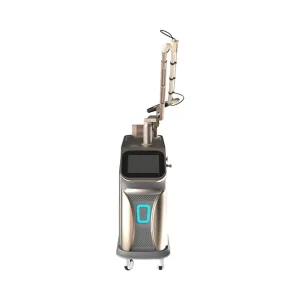
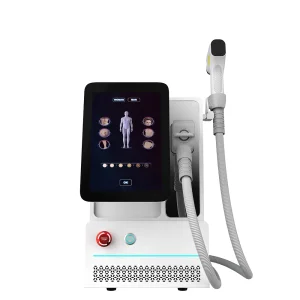
Browse our complete high-performance lineup of cooling machines, laser systems, vascular units, and body contouring devices built for international regulatory compliance.