- +86 136 8127 5833
- [email protected]
- Shunyi, Beijing, China
Explore OEM/ODM medical-grade laser systems, cold air chillers, and energy-based device solutions produced in China's leading manufacturing hubs.
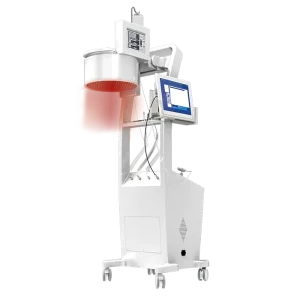
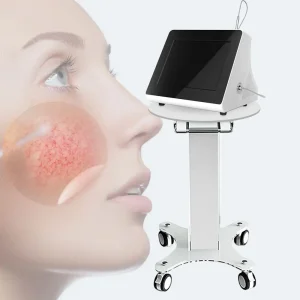
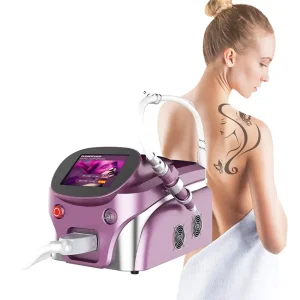
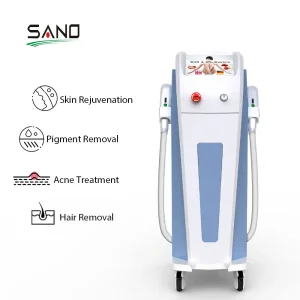
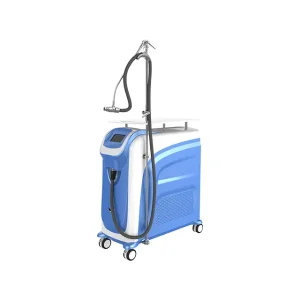
Understanding the thermodynamic principles, selective photothermolysis protection, and commercial necessity of continuous skin chillers in modern dermatological practices.
In the contemporary landscape of medical aesthetics, high-energy laser and light-based therapies—including 808nm diode lasers, fractional CO2 resurfacing, 1064nm/532nm picosecond platforms, IPL/DPL, and intense radiofrequency (RF) systems—have revolutionized non-invasive skin rejuvenation, tattoo removal, vascular lesion treatment, and permanent hair reduction. However, the efficacy of these optical and electromagnetic modalities is intrinsically limited by the thermal tolerance of the human epidermis.
When high fluence (energy density) is delivered to target chromophores (melanin, hemoglobin, or water), radiant heat dissipates laterally into surrounding tissue. Without active thermal management, patients face significant risks of epidermal thermal damage, dyspigmentation (PIH - post-inflammatory hyperpigmentation), blistering, and intolerable pain. This technical imperative has driven the global adoption of continuous forced-air epidermal cooling systems, commonly known as Zimmer-style air cooling equipment.
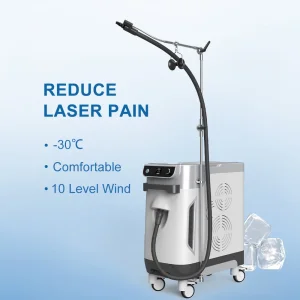
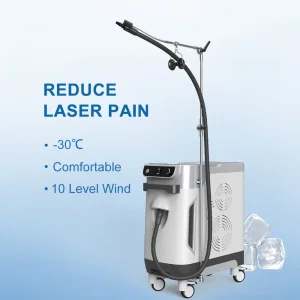
Chinese OEM/ODM manufacturers have emerged as primary global suppliers of these high-performance chiller devices, combining robust compressor engineering with sophisticated airflow dynamics to deliver sub-zero cooling reaching -30°C to -45°C at fraction of traditional European equipment acquisition costs.
Inside the engineering mechanics of high-capacity compressor refrigeration, dual-stage moisture separation, and precision variable-speed blower fans.
Unlike low-power Peltier thermoelectric modules that fail under continuous clinic operation, Chinese industrial Zimmer-equivalent units utilize commercial-grade hermetic rotary compressors filled with environmentally responsible R404A or R290 refrigerants. This guarantees continuous sub-zero discharge even in 35°C ambient rooms.
A primary failure mode in cold air devices is internal evaporator icing caused by ambient humidity condensation. Advanced Chinese factories integrate automated defrost cycles combined with high-capacity desiccant trap reservoirs that continuously strip moisture prior to sub-zero compression.
Flexibility is vital when switching between delicate facial vascular treatments and heavy body tattoo clearing. German-engineered digital control boards allow therapists to adjust wind speed across 1-9 distinct levels, matching CFM output directly to treatment handpiece adapters.
| Cooling Technology | Operating Temp Range | Consumable Cost | Operator Line-of-Sight | Epidermal Safety Profile |
|---|---|---|---|---|
| China Forced Air Chiller (Zimmer-Type) | -20°C to -45°C (Continuous) | $0 (Electricity Only) | 100% Unobstructed Air Flow | Superior (Pre, Parallel & Post cooling) |
| Contact Sapphire Crystal | +4°C to -5°C | Low (Conductive Gel needed) | Obstructed by gel & metal tip | Moderate (Friction can break contact) |
| Cryogen Spray (DCD) | Pulsed Liquid Freon/R134a | High ($100-$300/canister) | Intermittent gas clouding | High risk of cryo-burn if miscalibrated |
| Ice Packs / Cold Hydrogel | 0°C to +4°C | Labor intensive / Sanitation risk | Blocks treatment surface entirely | Poor thermal control during active pass |
How leading dermatology clinics, plastic surgery centers, and MedSpas integrate air cooling devices into everyday treatment protocols.
During 808nm diode or 755nm Alexandrite high-speed hair reduction, skin chillers blow continuous cold air directly onto the treatment zone via a clip-on adapter attached to the laser handpiece. This creates an immediate thermal sink in the upper dermis, preventing perifollicular edema complications while suppressing discomfort during dense beard or bikini area treatments.
Ablative scar tissue treatment produces micro-thermal zones (MTZs) and instant epidermal vaporization. Post-treatment application of -30°C cold air for 5-10 minutes drastically reduces the intense "sunburn sensation," curtails immediate erythema, and accelerates epithelial healing without touching or contaminating sensitive micro-wounds.
Photo-acoustic ink shattering generates rapid acoustic shockwaves and localized micro-explosions within skin tissue. Immediate cold air blowing numbs epidermal sensory nerves prior to high-frequency laser passes and reduces post-treatment purpura and vesiculation (blistering).
Targeting telangiectasias, spider veins, or facial rosacea with 980nm diode lasers requires precise hemoglobin absorption. Cold air application restricts superficial micro-capillary dilation away from non-target skin areas, isolating target vessels while protecting the upper basement membrane.
Analyzing why tier-1 OEM manufacturers in Beijing, Guangdong, and Shandong dominate the global market for aesthetic cooling hardware.
China's industrial medical device clusters feature hyper-localized supply chains. From custom aluminum heat exchangers and high-pressure blowers to medical-grade ABS injection molding chassis, over 92% of sub-assembly components are sourced within a 50-kilometer radius of major assembly plants in Shunyi (Beijing) and Guangzhou.
Acquisition cost of OEM China air cooling units is typically 60% to 75% lower than equivalent German or US brand systems, while utilizing identical Panasonic/GMCC compressors and Omron thermal management ICs.
Leading Chinese aesthetic equipment exporters operate under strict international quality control frameworks. Factory lines incorporate multi-stage burn-in tests and environmental chamber trials:
How medical aesthetic equipment distributors and clinic chains calculate return on investment when upgrading to continuous cold air devices.
High patient throughput drives demand for reliable skin chillers. Clinics seek CE and FDA cleared units that eliminate consumable cryogen costs, saving average high-volume MedSpas upwards of $12,000 annually in recurring liquid gas refills.
High ambient room temperatures in tropical or desert regions place extreme demands on skin cooling. Chinese heavy-duty dual-compressor chillers excel by maintaining continuous sub-zero output without thermal overload trips.
Rapid growth in skin rejuvenation, picosecond pigment toning, and RF microneedling makes air cooling an essential standard-of-care, drastically reducing patient booking friction caused by fear of procedure pain.
Providing complete regulatory confidence and seamless technical service for international medical device importers.
Every skin cooling device and aesthetic laser platform exported from certified Chinese manufacturers includes comprehensive documentation packages designed for rapid customs clearance and local medical device registration:
Chinese export suppliers maintain dedicated English-speaking technical engineering desks. In the event of component wear or electrical issues, replacement modules (compressors, control boards, blowers) are dispatched via door-to-door express air freight within 48 hours.
Expert insights addressing common technical, operational, and commercial inquiries regarding Zimmer-type cold air systems.
Discover additional high-demand aesthetic devices, slimming systems, and specialty laser equipment manufactured for global healthcare suppliers.