- +86 136 8127 5833
- [email protected]
- Shunyi, Beijing, China
Explore high-performance clinical platforms direct from CE-certified manufacturing facilities.
Market dynamics, technological convergence, and economic outlook for hydro-dermabrasion and medical skin rejuvenation systems.
The global medical aesthetics market is undergoing a seismic shift toward non-invasive, high-efficacy, zero-downtime dermatological care. Among the primary modalities driving clinical revenue worldwide, Hydra Facial Microdermabrasion platforms stand out as essential equipment for medical spas, dermatology clinics, and commercial wellness franchises. Driven by shifts in consumer preferences toward non-ablative skin health regimens, hydro-microdermabrasion technology has evolved from standard dry-crystal exfoliation into complex multi-modality hydro-fluidic platforms.
According to clinical procurement data and B2B industrial market analyses, global demand for CE-certified hydra facial and microdermabrasion machinery is projected to expand rapidly over the next decade. Commercial buyers—ranging from regional aesthetic equipment distributors to international hospital groups—require platforms that deliver high ROI, low operational failure rates, and rigorous adherence to international medical safety standards such as the EU Medical Device Regulation (MDR) and CE Directives (LVD/EMC).
Information Gain Insight: Modern professional hydro-dermabrasion is no longer evaluated solely by suction power (kPa). True technical distinction relies on micro-vortex fluidics, active serum delivery pressure consistency, anti-clogging internal valve architecture, and strict ISO 10993 biocompatibility certification for liquid contact channels.
Understanding the fluid mechanics, pneumatic controls, and multi-functional integration behind professional grade platforms.
Utilizes dual-spiral liquid flow tips to create a controlled fluid vortex. Simultaneously removes dead stratum corneum cells while infusing targeted salicylic and glycolic serum formulations deep into pore structures.
Precision-milled synthetic diamond tips ranging from 80 to 240 mesh grit allow tailored mechanical abrasion for thick hyperkeratotic skin or delicate facial contours near orbital rims.
High-end factory platforms combine hydro-peels with complementary physical modalities: Bipolar RF for dermal heating, Bio-Microcurrent, Ultrasonic skin scrubbers, and Cold Oxygen Spraying.
For international buyers establishing equipment specifications, understanding the physical and operational variances between traditional units and modern multi-station hydra platforms is essential for maximizing ROI.
| Technical Parameter | Legacy Crystal Microdermabrasion | CE Certified Hydro-Dermabrasion Platform |
|---|---|---|
| Exfoliation Mechanism | Aluminum Oxide / Sodium Bicarbonate crystals | Spiral Hydro-Vortex + Diamond Micro-carving |
| Active Fluid Infusion | None (Dry procedure) | Simultaneous tri-stage serum liquid infusion |
| Patient Skin Comfort | Moderate abrasion, post-treatment erythema | Soothing hydration, zero downtime, instant radiance |
| Internal Vacuum Pump | Basic single-chamber diaphragm pump | Heavy-duty medical grade double-head oil-less pump |
| Regulatory & Safety Compliance | Standard LVD Electrical Safety | CE Medical (EU 2017/745), EMC, RoHS, ISO 13485 |
| Consumable Overhead | High (Loose crystal hazardous waste disposal) | Low (Recyclable liquid tips & reusable diamond heads) |
Why leading global aesthetic brands and medical groups leverage Chinese OEM/ODM manufacturing ecosystems.
China has established itself as the global epicenter for medical aesthetic hardware engineering and supply chain integration. In cities like Beijing and advanced industrial parks in Guangdong, specialized OEM/ODM factories combine top-tier precision engineering with unmatched production agility. For B2B buyers looking for Hydra Facial Microdermabrasion suppliers and factories, partnering with established Chinese manufacturers provides distinct commercial advantages:
From CNC medical-grade stainless steel machining to custom injection molding and SMT circuit board assembly, localized industrial supply chains eliminate international component lead times, reducing production cycles by up to 40%.
Leading factories operate ISO 13485-certified cleanrooms. Every hydra facial platform undergoes strict 72-hour continuous liquid pressure stress tests, pneumatic vacuum leak diagnostics, and automated electrical safety screening before packaging.
High production volume coupled with optimized engineering processes enables Chinese factories to offer medical-grade, multi-functional aesthetic platforms at a fraction of Western production costs without compromising component longevity.
Factories provide comprehensive custom branding services: custom chassis industrial design, multi-language UI software localization, unique tip configurations, tailored packaging, and custom PCB firmware engineering.
Navigating international medical compliance: Ensuring legal market access across Europe, North America, and emerging markets.
When procuring aesthetic and dermatological machinery from overseas suppliers, regulatory compliance is non-negotiable. Possessing valid, verifiable CE Certification is a core prerequisite for importing and operating microdermabrasion and hydro-facial systems within the European Economic Area (EEA) and global territories that align with EU directives.
Commercial B2B buyers must distinguish between standard industrial electrical CE marks and specialized aesthetic medical device certifications:
Because hydro-dermabrasion equipment actively circulates chemical exfoliating solutions (AHAs, BHAs, Hyaluronic Acid) through plastic tubing, internal valves, and treatment handpieces before contacting compromised human skin, liquid path safety is vital. Responsible factories ensure all internal tubing utilizes medical-grade silicone or Teflon (PTFE), avoiding plasticizers or toxic leaching risks during long-term exposure to acidic solutions.
How distinct market sectors utilize professional hydra microdermabrasion systems to generate revenue and drive patient retention.
Primary Intent: High throughput, short treatment cycles (30 min), low consumable costs, and multi-treatment combination protocols.
Hydra microdermabrasion serves as the foundational "express facial" offering, driving high subscription retention and pairing seamlessly with laser skin resurfacing or IPL photofacials.
Primary Intent: Medical-grade deep exfoliation, pre-procedure dermal clearance, and post-operative scar management.
Surgeons and dermatologists utilize diamond microdermabrasion to prepare skin beds prior to fractional CO2 laser therapy or chemical peels, enhancing topical absorption and overall clinical outcomes.
Primary Intent: Stable margins, low warranty return rates, complete technical documentation, and OEM localized branding.
Distributors require factory partners offering direct engineer technical support, modular quick-replace spare parts, and custom shell colors matching regional branding trends.
When evaluating international factories for wholesale orders, purchasing directors must scrutinize four core dimensions beyond price:
Where the hydro-facial and microdermabrasion market is headed over the next five years.
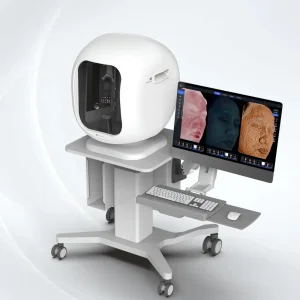
Modern platforms are rapidly integrating high-resolution 3D skin analysis cameras linked to AI diagnostic software. The system automatically measures sebum levels, pore density, and moisture balance, dynamically auto-adjusting vacuum pressure and serum flow rates in real-time.
Regulatory bodies are pushing for reduced bio-hazard liquid waste. Next-gen hydra facial equipment incorporates multi-stage micro-filtration systems that sanitize, neutralize, and safely separate extracted waste fluids for environmentally responsible disposal.
Advancements in transdermal fluid dynamics now allow factories to offer sonic-guided nano-spray handpieces. These split liquid nutrition into 0.3-micron particles, ensuring rapid absorption into the basal layer without disrupting the skin barrier.
Expert guidance for clinic owners, procurement officers, and medical aesthetic distributors.
Complete your clinical treatment suite with industry-certified aesthetic technology engineered for superior results.