- +86 136 8127 5833
- [email protected]
- Shunyi, Beijing, China
Engineered by Beijing Sano Laser Development S&T Co., Ltd. for clinical excellence, high operational reliability, and global regulatory compliance.
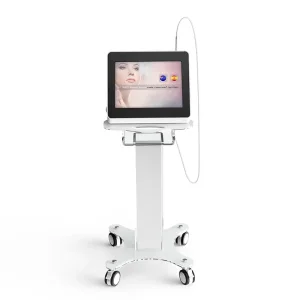
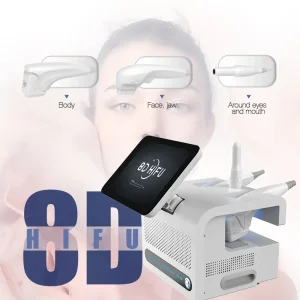
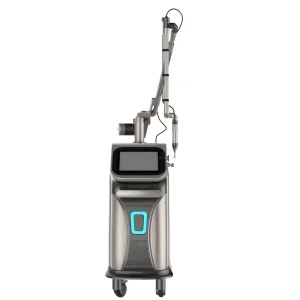
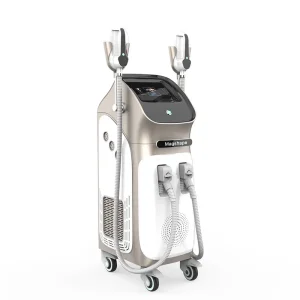
Analyzing the evolution of 10,600nm laser technologies, market capitalization, regional procurement dynamics, and hospital-grade compliance standards.
The global medical aesthetic and surgical device market has witnessed a profound structural shift toward minimally invasive, high-efficacy laser modalities over the past decade. Among these, the 10,600nm CO2 fractional laser machine stands as an undisputed gold standard for skin resurfacing, scar reconstruction, gynecological rejuvenation, and surgical tissue cutting. Operating at a wavelength absorbed overwhelmingly by intra- and extracellular water molecules, the CO2 laser precise photothermal interaction triggers instantaneous tissue vaporization alongside controlled microscopic zones of collateral thermal heating. This dual mechanism stimulates immediate collagen retraction and long-term neocollagenesis.
From an industrial perspective, the B2B supply ecosystem for CO2 fractional laser devices has expanded rapidly beyond traditional Western OEM brand dominance. Today, advanced high-tech manufacturing hubs in China—led by pioneering engineering enterprises such as Beijing Sano Laser Development S&T Co., Ltd. (founded in 2010)—have redefined global procurement expectations. By integrating domestic R&D expertise with internationally sourced optics and excitation sources, certified manufacturers provide medical clinics, dermatology chains, and global equipment distributors with hospital-grade equipment that complies strictly with international CE directives, ISO 13485 medical quality systems, and electrical safety standards.
Modern B2B buyers are migrating away from low-tier glass tube systems due to high maintenance costs, power drift, and brief lifespans. Industry lead procurement now heavily favors RF metal tube systems capable of high pulse repeatability, modular handpiece interchangeability, and direct factory-to-clinic technical backbones.
Geographically, demand trends differ substantially based on regional healthcare maturity, regulatory frameworks, and demographic preferences:
A deep technical breakdown of excitation sources, beam delivery optics, fractional pattern generation, and future technological roadmaps.
Sealed metal cavity excited by radio frequency. Offers ultra-fast pulse switching, pinpoint beam quality (TEM00 mode), stability under continuous operation, and a service life exceeding 7 to 10 years without gas refilling.
Emits high peak power pulses in microseconds. Vaporizes tissue faster than thermal relaxation time (TRT), drastically curtailing residual zone damage, pain, and patient recovery downtime.
Imports premium Korean-manufactured 7-joint gold-plated mirrors, guaranteeing 95%+ optical transmission efficiency, 360-degree rotation flexibility, and zero beam deformation.
| Specification / Parameter | Sealed RF Metal Tube CO2 Laser | Traditional Glass DC Tube CO2 Laser | Clinical & Commercial Impact |
|---|---|---|---|
| Excitation Mechanism | RF Electrodeless Discharge (Air Cooled) | High Voltage DC Electrodes (Water Cooled) | RF tubes eliminate high-voltage spark risks and complex fluid pumps. |
| Pulse Width Precision | Ultra-fast (0.1ms – 10ms micro-pulses) | Slow response (>10ms thermal lag) | RF precise pulses prevent unintended collateral skin burning. |
| Operational Lifespan | 7 to 10 Years (70,000+ Hours) | 1 to 2 Years max (Gas depletion) | RF system drastically reduces long-term clinic maintenance costs. |
| Focal Spot Diameter | 50μm – 100μm (Ultra-fine MTZ) | 150μm – 300μm (Coarser dots) | Finer micro-thermal zones enable faster re-epithelialization. |
| Energy Stability Drift | < ± 3% over continuous operation | > ± 15% (Drifts with water temperature) | Ensures identical shot energy from start to end of a clinical procedure. |
Unlike traditional fully ablative lasers that remove the entire epidermal layer—requiring weeks of weeping wounds and intense recovery—fractional CO2 lasers employ a scanning handpiece to create thousands of microscopic thermal columns called Micro-Thermal Zones (MTZs). These MTZs penetrate deep into the dermis while leaving surrounding tissue completely untouched. The intact surrounding tissue acts as a reservoir of living cells that migrate into the damaged MTZs, achieving rapid healing within 3 to 7 days while stimulating robust type I and type III collagen synthesis inside the extracellular matrix.
As CO2 laser platforms advance, R&D teams at SANO Laser are integrating next-generation innovations directly into factory floor assembly:
Exploring multi-departmental medical applications across aesthetic clinics, hospital burn units, and specialized pelvic floor centers.
Severe post-acne scarring (boxcar, rolling, ice-pick), rhytids, photoaged skin, actinic keratosis, and enlarged pore refinement via deep dermal remodeling.
Hypertrophic burn scar rehabilitation, surgical incision smoothing, contracture release, and keloid tissue texture normalization in hospital reconstructive centers.
Vaginal mucosal tightening, treatment of Vulvovaginal Atrophy (VVA), pelvic floor tone restoration, and mild Stress Urinary Incontinence (SUI) alleviation.
Precise bloodless excision of epidermal lesions, seborrheic keratosis, syringomas, verruca vulgaris, and fibromas with simultaneous capillary coagulation.
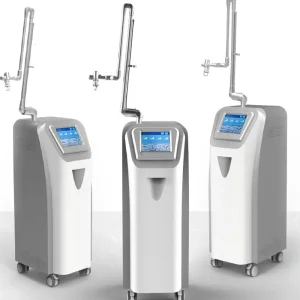
A professional-grade CO2 laser platform must offer dynamic system versatility to handle diverse patient anatomical targets safely:
Why compliance documentation, ISO 13485 manufacturing environments, and rigorous factory testing define genuine B2B reliability.
For international importers, medical distributors, and clinic directors, verifying genuine compliance credentials is the single most critical step in equipment procurement. Within the European Economic Area (EEA) and global markets recognizing European standards, a CO2 laser device must strictly adhere to the Medical Device Regulation (MDR 2017/745) or the relevant Low Voltage Directive (LVD 2014/35/EU) and Electromagnetic Compatibility Directive (EMC 2014/30/EU).
Beijing Sano Laser Development S&T Co., Ltd. ensures that every exported system carries full technical documentation, including safety test reports for IEC 60601-1 (Electrical Safety) and IEC 60601-2-22 (Particular requirements for basic safety and essential performance of surgical, cosmetic, therapeutic and diagnostic laser equipment).
Every CO2 machine assembled in our Beijing Shunyi production center undergoes a mandatory 72-hour continuous electrical stress test, optical power meter calibration across all scanner modes, optical alignment verifying spot roundness, and pressure-leak testing of cooling channels before final packaging.
Furthermore, our dedicated OEM/ODM division provides comprehensive custom development for international partners seeking tailored market entries:
Authoritative answers compiled by SANO Laser lead optical engineers and clinical specialists.
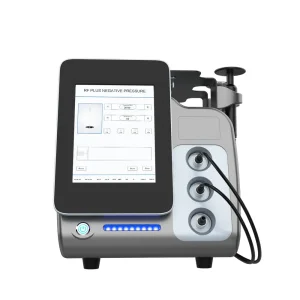
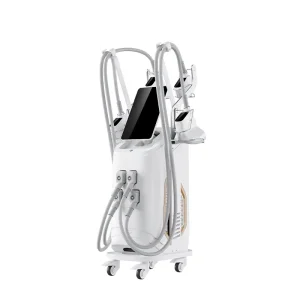
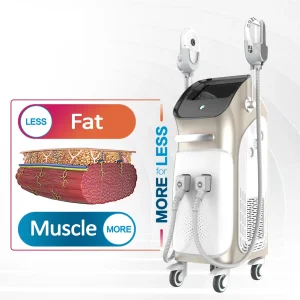
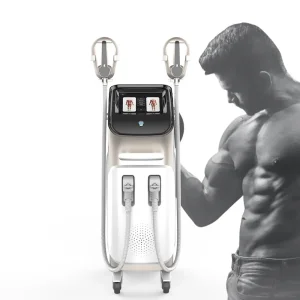
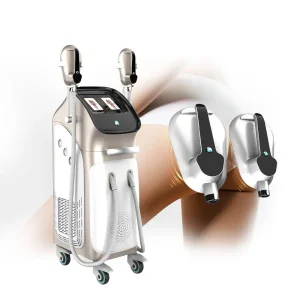
Integrate multi-technology treatment suites: Radiofrequency, Cryolipolysis, Nd:YAG Lasers, and High-Intensity EMS Body Sculpting platforms.
Partner directly with Beijing Sano Laser Development S&T Co., Ltd. for engineer-led support, customized hardware tooling, and complete market authorization packages.
Eliminate middleman misunderstandings. Your technical requirements are handled directly by optical and electrical engineers who design the underlying system architecture.
Assembled in our standardized Shunyi facility, featuring dust-free optical assembly bays, rigorous component burn-in, and strict traceability for every exported chassis.
Customized chassis painting, localized UI languages, bespoke parameter presets, and branded transport packaging created to elevate your distributor market presence.