- +86 136 8127 5833
- [email protected]
- Shunyi, Beijing, China
Explore engineered medical-grade aesthetic equipment manufactured with high-capacity pulse supplies, UK xenon lamps, and real-time sapphire cooling interfaces.
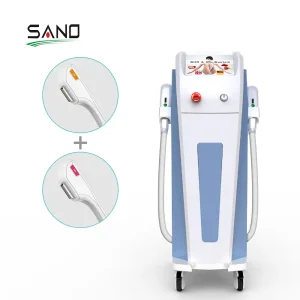
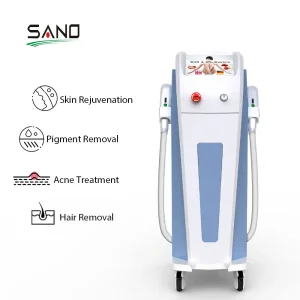
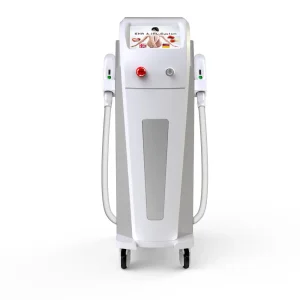
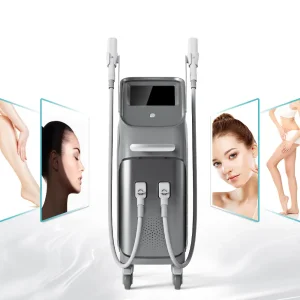
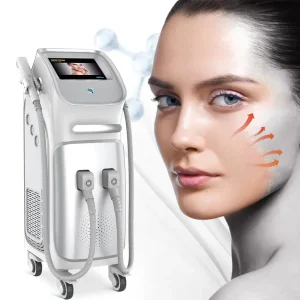
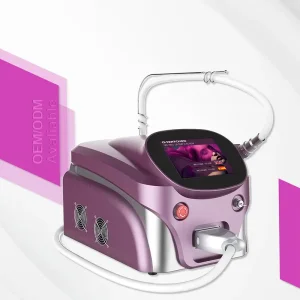
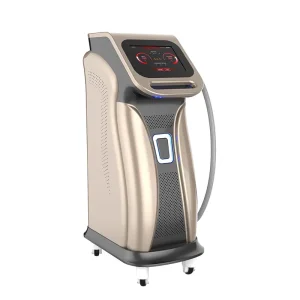
The international medical aesthetics landscape is currently undergoing a structural transformation. Medical spas, aesthetic dermatology clinics, and commercial beauty chains are rapidly retiring single-function legacy devices in favor of heavy-duty, multi-modality vertical workstations. Vertical IPL (Intense Pulsed Light), E-Light (IPL combined with Radio Frequency), and SHR (Super Hair Removal) platforms represent the core workhorse technology driving steady operational revenue across global aesthetic practices.
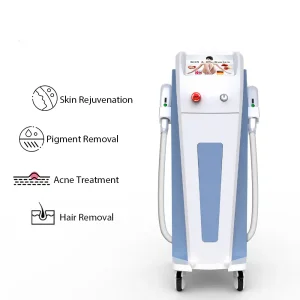
Market intelligence indicates that commercial procurement of vertical platforms has surged by over 28% year-over-year in North America, Europe, and the Middle East. The demand shift is driven by economic ROI: clinic owners require platforms capable of performing continuous, back-to-back patient protocols—ranging from high-speed, virtually painless hair reduction to epidermal vascular management, active acne suppression, and deep collagen synthesis—without experiencing thermal degradation or energy output decay.
To understand the competitive advantages of vertical aesthetic systems, corporate buyers and clinical directors must evaluate the underlying physical mechanisms governing light-tissue interactions. Selecting the correct light-delivery technology directly impacts clinical efficacy, treatment speed, patient comfort, and skin-type safety profiles.
| Modality Platform | Wavelength Emission Spectrum | Energy Delivery Mechanism | Primary Target Chromophore | Target Fitzpatrick Skin Range |
|---|---|---|---|---|
| Traditional IPL | 420nm – 1200nm Broad Spectrum | High Peak Energy, Single/Multi-Pulse Stamping | Melanin, Hemoglobin, P. Acnes Porpyrins | Fitzpatrick Types I – III |
| E-Light (IPL + RF) | 530nm/640nm + Bipolar RF (1MHz) | Dual-Energy Synergistic Absorption (Light + RF Current) | Melanin + Deep Dermal Collagen Matrix | Fitzpatrick Types I – IV (Lower Thermal Risk) |
| SHR (Super Hair Removal) | 640nm – 950nm Filtered Spectrum | In-Motion Low-Fluence High-Frequency (Up to 10Hz) | Follicular Epithelium & Hair Shaft (Gradual Heat Build-Up) | Fitzpatrick Types I – VI (Includes Tanned Skin) |
| DPL (Dye Pulsed Light) | 500nm–600nm & 550nm–650nm Narrow Spectrum | Narrow-Band Concentrated Photons | Oxyhemoglobin (Vascular) & Superficial Melanin | Fitzpatrick Types I – III (Ultra-Precise Rejuvenation) |
Optimal Pulse Technology (OPT) regulates energy spikes. Standard IPL drops peak power mid-pulse, risking epidermal burns or under-treating follicles. OPT delivers a flat, continuous square-wave spectrum to ensure uniform fluence (J/cm²) per sub-pulse.
E-Light pre-heats target tissue with optical energy, reducing skin impedance. This causes the bipolar Radio Frequency current to flow directly into the pre-warmed dermal layer, achieving deep collagen stimulation without overloading epidermal pigment.
SHR revolutionizes hair removal by moving the handpiece continuously over the treatment area at 10 pulses per second. Instead of blasting individual follicles with painful high-energy spikes, SHR gradually warms the dermis to 45°C, destroying hair stem cells painlessly.
Global B2B importers, medical device distributors, and private-label brands increasingly source vertical aesthetic platforms directly from specialized Chinese manufacturing hubs like Beijing and Guangdong. The strategic advantage of partnering with an established OEM/ODM factory extends far beyond initial bill-of-materials cost reductions.
Leading Chinese medical equipment factories operate within complete industrial clusters. Core optical components—such as premium UK-imported xenon lamps, medical-grade real sapphire crystal light guides, and military-grade high-voltage capacitors—are integrated into precision CNC-machined metal chassis with zero supply-chain friction.
Tier-1 manufacturing facilities implement comprehensive quality assurance protocols. Every vertical SHR platform undergoes 72-hour continuous burn-in electrical safety testing, water-flow rate pressure verification, optical spectrum calibration, and energy-meter validation before entering export packaging.
Factory-direct engineering teams provide complete private-label support. This includes custom industrial housing injection molding, tailored user interface design in over 15 languages, custom software parameter presets, and branded packaging designed for immediate international distribution.
Vertical IPL E-Light SHR systems are versatile workhorses capable of delivering multiple aesthetic indications through quick-change filter cut-offs (ranging from 430nm to 690nm). Understanding the regional clinical requirements enables equipment buyers to match handpiece configurations with local demographic needs.
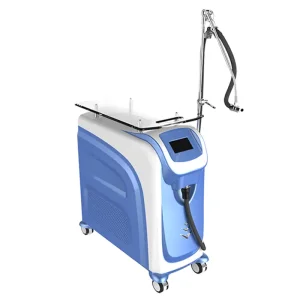
Utilizing 640nm–1200nm SHR red-light spectrums, operators rapidly treat large body areas (full legs, back, chest) in under 20 minutes. Advanced sapphire contact cooling (-5°C to -10°C) numbs the epidermis, making high-speed sweeping treatments virtually painless across Fitzpatrick skin types I–V.
Narrow-band 530nm/560nm filters target oxyhemoglobin within superficial facial spider veins, rosacea, and broken capillaries. Photothermal energy coagulates the vascular vessel wall without disrupting surrounding epidermal tissue, leading to gradual natural reabsorption.
Targeting melanin with 480nm/530nm cut-off filters allows precise treatment of freckles, sunspots, age spots, and lentigines. The light energy shatters pigment clusters into microscopic particles, which darkens initially ("micro-crusting") before flaking off within 7–10 days.
Blue-light spectrum wavelengths (430nm–1200nm) trigger a photochemical reaction inside Propionibacterium acnes bacteria. The light excites endogenous porphyrins, releasing singlet oxygen free radicals that destroy the bacteria without topical antibiotics.
When negotiating contracts with vertical IPL E-Light SHR machine factories, procurement directors must evaluate technical parameters beyond aesthetic design. Requesting verified technical datasheets ensures long-term operational uptime and patient safety.
Verify the internal main board power capacity. High-end vertical systems require a minimum of 2000W to 3000W energy capacity. Sub-1500W power supplies cannot maintain continuous 10Hz SHR frequency without energy dropping mid-session.
Examine the internal cooling mechanism: Ensure the system combines a high-volume water pump (at least 6L/min), dual automotive-grade copper radiators, industrial cooling fans, and high-efficiency TEC semiconductor cooling plates inside the handpiece.
Inquire about flash lamp origin. Premium UK-imported xenon lamps provide stable energy discharge over 500,000 to 1,000,000 shots. Verify that the optical crystal inside the handpiece is pure sapphire rather than cheap K9 glass.
Traditional IPL delivers single, high-energy static light pulses (stamping method) directly into the tissue, which can be painful and carries a higher risk of superficial burns on dark skin types. SHR (Super Hair Removal) fires low-fluence pulses at high repetition rates (up to 10Hz) while sweeping continuously across the treatment zone. This slowly elevates dermal tissue temperature to the thermal destruction threshold of hair follicles (approx. 45°C), dramatically increasing client comfort and safety across Fitzpatrick skin types I–VI.
E-Light integrates IPL broad-spectrum light energy with bipolar Radio Frequency current. Because optical absorption depends heavily on melanin density, standard IPL struggles with fine blonde, red, or light grey hair, as well as darker skin tones. Radio Frequency energy acts independently of skin pigmentation, following electrical impedance pathways created by pre-heating light energy. This dual action enables deeper dermal penetration while minimizing required optical energy levels, substantially reducing epidermal burn risks.
Handpiece longevity is primarily determined by the quality of its internal xenon flash lamp and cooling efficiency. Industrial-grade vertical SHR machines built with UK-imported Heraeus xenon lamps consistently deliver between 500,000 to 1,000,000 effective pulses before energy output degrades by more than 10%. Furthermore, integrated real-time TEC water cooling prevents thermal stress on optical components, preserving optical filter clarity over years of commercial use.
Global medical aesthetic imports generally require Medical CE (under EU MDR or MDD standards) for European markets, FDA 510(k) clearances or registrations for the United States, and ISO 13485 quality system certifications for manufacturing facilities. When procuring directly from Chinese factories, ensure technical testing dossiers include LVD (Low Voltage Directive) electrical safety reports and EMC (Electromagnetic Compatibility) laboratory validation.
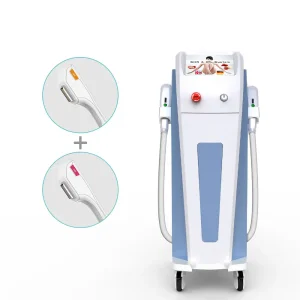
Yes. Modern vertical platforms feature dual handpiece configurations or interchangeable magnetic wavelength filters (ranging from 430nm to 690nm). A clinic practitioner can rapidly switch from an SHR high-speed hair removal protocol using a 640nm filter to an epidermal photo-rejuvenation or vascular therapy protocol using a 530nm/560nm filter on the same patient platform within seconds.
Expand your clinic portfolio with specialized aesthetic hardware built in our ISO-certified manufacturing facility.