- +86 136 8127 5833
- [email protected]
- Shunyi, Beijing, China
Explore our factory-direct OEM laser, RF, and skin cooling systems designed for high-throughput clinical operations worldwide.
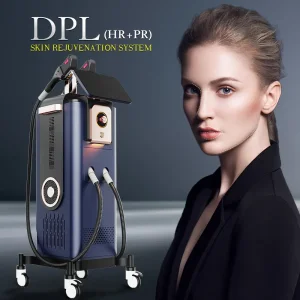
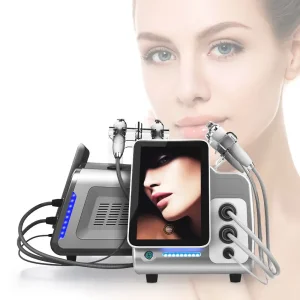
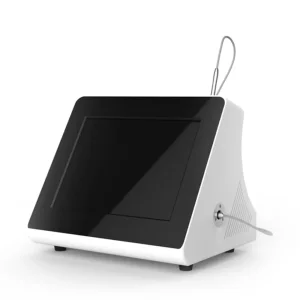
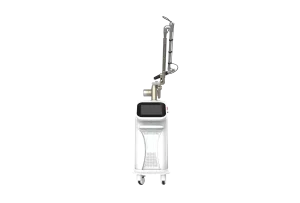
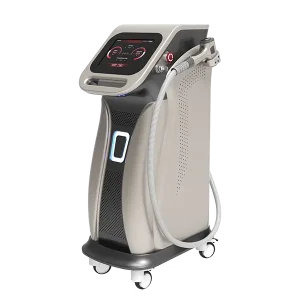
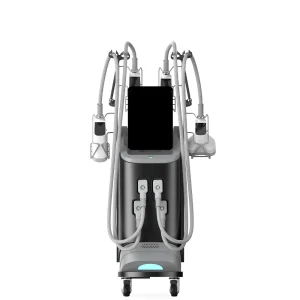
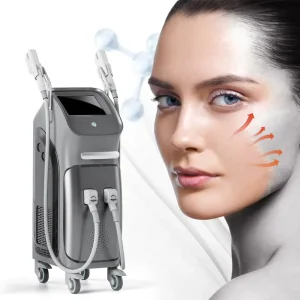
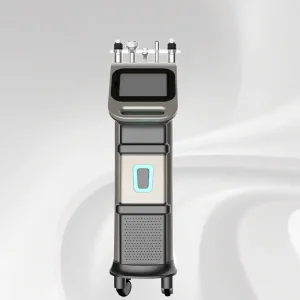
In the contemporary landscape of energy-based aesthetic devices (EBDs)—encompassing high-power 808nm/755nm/1064nm diode lasers, picosecond Nd:YAG systems, fractional CO2 lasers, intense pulsed light (IPL/DPL), and radiofrequency (RF) microneedling—epidermal cooling is no longer merely a patient comfort accessory. It represents a fundamental engineering requirement that dictates the therapeutic window, safety margin, and overall clinical efficacy of thermal treatments.
When selecting professional wholesale skin cooling suppliers & supplier networks, clinical directors, medical distributors, and OEM brand owners must evaluate hardware through the lens of selective photothermolysis. According to Anderson and Parrish's foundational theory, target chromophores (such as melanin, hemoglobin, or water) absorb optical energy to induce localized thermal necrosis. However, competitive light absorption in the epidermal basal layer—rich in melanin—presents an immediate risk of epidermal thermal injury, post-inflammatory hyperpigmentation (PIH), blistering, and scarring, particularly in Fitzpatrick skin types IV through VI.
Market research indicates that the global aesthetic cooling devices market is expanding at a CAGR of 8.4%, driven by rising adoption of high-energy non-invasive dermatological procedures.
In mature markets across North America and Western Europe, medical regulatory bodies (FDA, CE Medical MDR) enforce strict risk mitigation standards. Clinics mandate continuous cold-air chilling (-30°C flow) alongside ablative fractional lasers to eliminate patient downtime, prevent thermal erythema, and reduce reliance on topical anesthetic creams.
The Asia-Pacific region exhibits the fastest market acceleration. Driven by high prevalence of Fitzpatrick skin types III–V, clinics heavily invest in specialized skin cooling suppliers to lower PIH risk during high-fluence laser hair removal, pigment clearance, and DPL photo-rejuvenation sessions.
For B2B buyers and chain medspas, integrated thermal protection reduces procedure abandonment rates due to pain. Integrating high-performance cooling systems directly increases daily patient treatment capacity by 35%, maximizing equipment utilization and return on capital investment.
Skin cooling systems employ distinct thermodynamic mechanisms to mitigate heat accumulation in skin tissue. Understanding these technologies is vital for selecting optimal OEM suppliers.
Forced-air cooling units compress ambient air, pass it through an internal multi-stage evaporator refrigeration system, and deliver sub-zero air (-30°C to -35°C) through a flexible hose focused directly at the laser target zone.
Integrated into laser handpieces (e.g., 808nm diode lasers), thermoelectric cooling (TEC) modules utilize the Peltier effect coupled with high-thermal-conductivity synthetic sapphire crystal tips.
A comparative evaluation of primary epidermal cooling methods across key clinical and economic parameters.
| Cooling Modality | Temperature Range | Consumable Cost | Epidermal Safety | Patient Comfort Score | Primary Clinical Application |
|---|---|---|---|---|---|
| Forced Cold Air (Chiller) | -20°C to -35°C | Zero (Ambient Air Filtered) | Very High (Continuous Flow) | 9.5 / 10 | CO2 Laser, Picosecond, Vascular 980nm, Tattoo Removal |
| Sapphire TEC Contact | 0°C to 5°C | Zero (Built into Handpiece) | High (Requires Coupling Gel) | 8.5 / 10 | 808nm / 755nm / 1064nm Diode Laser Hair Removal |
| Dynamic Cryogen Spray (DCD) | Cryogen burst (-20°C target) | High (Canister Replacement) | Moderate (Risk of Cryo Burn) | 7.5 / 10 | Alexandrite 755nm, Long-Pulse Nd:YAG Systems |
| Chilled Hydrogel Coupling | 4°C to 10°C | Low to Moderate (Gel Supply) | Moderate (Transient Heat Capacity) | 6.0 / 10 | Standard IPL / RF Skin Tightening Devices |
Global medical equipment distributors and OEM aesthetic brands increasingly partner with top-tier Chinese manufacturers (such as Beijing Sano Laser Development S&T Co., Ltd.) to build custom-engineered skin cooling solutions. China’s advanced industrial manufacturing ecosystem offers decisive competitive advantages in cost, technical scalability, and supply chain integration.
Leading Chinese facilities utilize premium international micro-compressors (sourced for low noise and continuous run reliability), Panasonic/Hitachi cooling circuits, and German-engineered fan assemblies. In-house burn-in testing ensures zero fluid leakage and stable sub-zero output across 72-hour stress cycles.
From custom sheet metal chassis fabrication and ergonomic handpiece adapter design to multi-lingual touchscreen software integration, Chinese engineering teams deliver tailored OEM solutions with short lead times (typically 14 to 21 days for full customization).
By streamlining component sourcing within regional industrial hubs, Chinese suppliers provide medical-grade skin cooling devices at 40%–60% lower capital expenditure than traditional Western brands—without compromising thermal performance or compliance standards.
How specialized skin cooling units enhance therapeutic outcomes across diverse dermatological and aesthetic modalities.
Ablative procedures generate intense thermal micro-ablation zones. Continuous forced cold air (-30°C) delivered during laser scanning immediately numbs nerve endings, minimizes thermal diffusion into non-target tissue, and reduces post-procedure downtime and burning sensations.
High-frequency motion-style hair removal requires sustained sapphire contact cooling (0°C to 4°C). The cold crystal protects epidermal melanin while 808nm wavelength light penetrates to target the deep hair follicle bulb and dermal papilla safely.
Ultra-short picosecond laser pulses shatter pigment via photo-acoustic shockwaves. Pre-cooling and post-cooling with cold air prevent epidermal blistering, preserve skin barrier integrity, and accelerate macrophage pigment clearance.
Targeting oxyhemoglobin with 980nm diode lasers requires precise energy focus. Coordinated air cooling cools the surrounding dermis, preventing purpura and superficial tissue burns during vascular coagulation.
When selecting professional wholesale skin cooling suppliers, procurement officers must evaluate hardware against specific engineering parameters to ensure long-term clinical stability and low maintenance costs.
The industry is transitioning toward AI-driven closed-loop thermal sensing. Next-generation cooling platforms incorporate infrared epidermal temperature sensors directly into the air delivery nozzle or handpiece crystal. If epidermal temperature exceeds $42^\circ\text{C}$, the system automatically ramps up cold air output or scales back laser pulse fluence in real time, virtually eliminating human operator error and thermal injury risks.
Clear, technical answers to common queries raised by distributors, clinic managers, and OEM partners.
Explore our complete portfolio of medical aesthetic hardware engineered for peak performance and safety.