- +86 136 8127 5833
- [email protected]
- Shunyi, Beijing, China
Direct OEM/ODM Solutions from Certified Manufacturing Infrastructure
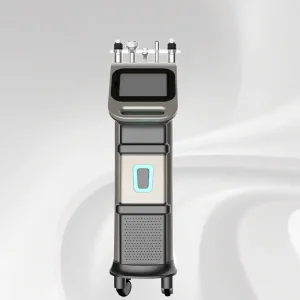
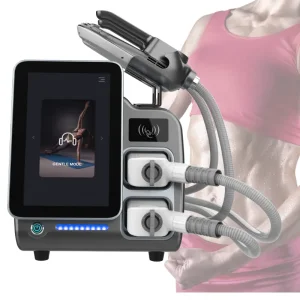
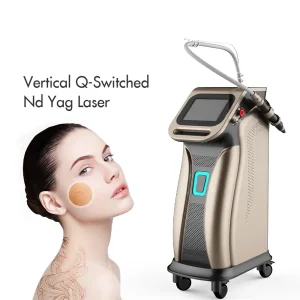
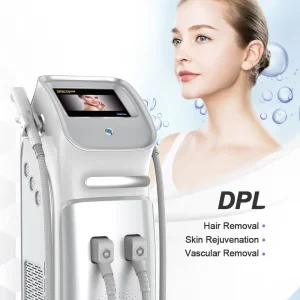
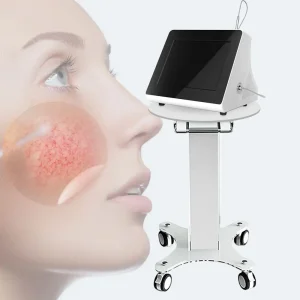
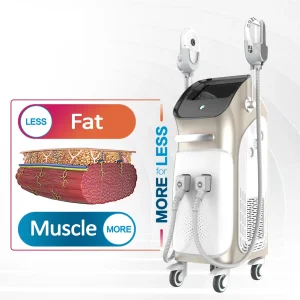
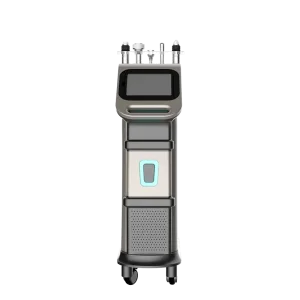
An Engineering & Business Intelligence Analysis for Aesthetic Equipment Distributors
The global aesthetic device landscape is undergoing a paradigm shift. Historically, clinical hydro-dermabrasion and high-intensity thermal facial lifting operated on completely segregated equipment tracks. Traditional facial rejuvenation units relied strictly on mechanical exfoliation or chemical peels, which provided superficial epidermal clarifying but lacked structural collagen-remodeling capabilities. Conversely, standalone radiofrequency (RF) skin-tightening and High-Intensity Focused Ultrasound (HIFU) systems delivered deep dermal tightening but often left the skin dehydrated, prone to post-treatment erythema, or clogged with keratinized micro-debris.
Recognizing this clinical compromise, top-tier medical equipment manufacturers have engineered multi-platform Wholesale Hydra Facial For Face Lifting Systems. These consolidated platforms combine fluidic vortex micro-extraction, hydrogen-oxygen ($H_2O_2$) ionization, multi-polar radiofrequency dermal tightening, EMS (Electrical Muscle Stimulation) myofascial sculpting, and acoustic electroporation into a single ergonomic workstation. By procuring directly from original design manufacturers (ODM/OEM suppliers), B2B aesthetic buyers—including medspa chains, cosmetic dermatology clinics, and international equipment importers—can now access high-margin, dual-action systems that simultaneously purify the cutaneous mantle and lift the Superficial Muscular Aponeurotic System (SMAS) layer.
Unlike basic consumer-grade hydro-facial instruments utilizing low-power diaphragm pumps (<35 kPa vacuum pressure), medical-grade OEM systems feature heavy-duty peristaltic fluid pumps delivering up to 85 kPa suction coupled with real-time digital bio-impedance monitoring. This technical distinction prevents micro-tearing of the stratum corneum while optimizing serum transdermal transport.
From a commercial distribution perspective, the demand for dual-function hydra-lifting machinery has escalated exponentially across North America, Europe, the Middle East, and Asia-Pacific. Sourcing directly from verified OEM factory suppliers eliminates intermediary markups, guaranteeing access to critical compliance documentation—such as CE certification, ISO 13485 medical device quality standard approvals, and FDA 510(k) technical dossiers necessary for regional market entry.
To make informed capital investment decisions, clinical purchasing directors and wholesale buyers must evaluate the mechanical, electrical, and fluidic specifications of professional hydra facial lifting equipment against traditional standalone modalities.
| Performance Dimension | Standard Salon Hydro-Facial | Medical-Grade OEM Hydra Lifting Unit | Standalone RF Face Lifting Machine |
|---|---|---|---|
| Single Diaphragm (<45 kPa) | Dual-Piston Heavy Peristaltic (70–85 kPa) | N/A (No Fluid Extraction) | |
| None (Exfoliation only) | Multi-Polar 2–5 MHz RF + EMS Microcurrent | Mono/Bipolar RF or Focused Ultrasound | |
| Passive Absorption | Active Ultrasonic Sonophoresis (1MHz) + Electroporation | Topical post-treatment application | |
| Moderate Immediate Rise | High Deep-Tissue Saturation (+300%) | Temporary Dehydration (Heat-induced) | |
| Low-to-Medium Margin | High (Synergistic multi-treatment pricing) | High Handpiece Wear/Shot Cost |
Utilizes spiral-designed hydro-tips to generate a localized micro-tornado fluid vortex. Simultaneously loosens follicular hyperkeratosis, vacuums sebum plugs, and flushes dermal pores with AHA/BHA acid solutions.
Emits high-frequency radio waves at 2–5 MHz, inducing volumetric thermal heating (42°C–45°C) in the deep dermis. Triggers immediate triple-helix collagen contraction and stimulates long-term neo-collagenesis.
Converts purified water into hydrogen and oxygen ion-rich water vapor via high-pressure spray gun. Neutralizes reactive oxygen species (ROS) free radicals in the skin, combating photo-aging.
A successful equipment deployment strategy requires understanding how local demographics, climate conditions, and regulatory compliance influence machine selection and treatment menu design. Wholesale suppliers must provide flexible configurations tailored to distinct regional markets.
In mature aesthetic markets such as the United States, Canada, the UK, and Germany, client retention is driven by treatments that yield instant visual gratification with zero downtime. Medical spas utilize wholesale hydra facial lifting machines to deliver 45-minute combination treatments.
In arid, dust-heavy climates such as Dubai, Riyadh, and Doha, patients frequently suffer from congested pores, heavy sebum oxidation, and hyperpigmentation induced by intense UV exposure. Equipment supplied to this region requires heavy-duty filtration, dual waste-liquid circulation channels, and high-frequency ultrasonic scrubbers (28–32 kHz) to effectively purge micro-particulate pollution from cutaneous pores prior to laser photo-rejuvenation sessions.
In South Korea, Japan, China, and Southeast Asia, aesthetic preferences skew heavily toward V-line jawline sculpting, skin translucency, and pore minimization. Machinery destined for APAC distributors is optimized with bio-microcurrent EMS handpieces designed to stimulate facial expression muscles (zygomaticus major and risorius) and high-density oxygen spray guns that deliver localized glutathione and arbutin formulations under 0.3 MPa air pressure.
As artificial intelligence and bio-sensing capabilities mature, the next generation of wholesale hydra facial face lifting machines will integrate smart diagnostic telemetry. Suppliers are currently prototyping several key breakthroughs:
Answer: Combining hydro-dermabrasion with RF thermal lifting solves the classic limitation of standalone radiofrequency. Exfoliating the hyperkeratinized stratum corneum and vacuuming pore sebum dramatically reduces skin surface acoustic and electrical impedance. This allows RF thermal energy to penetrate deeper into the dermis with lower surface resistance, yielding vastly superior SMAS lifting and collagen stimulation while maintaining patient comfort.
Answer: High-quality medical equipment factories use heavy-duty industrial peristaltic pumps equipped with medical-grade silicone or fluoroelastomer tubing. Unlike cheap membrane pumps, peristaltic mechanisms never allow fluid contact with internal motor components. Furthermore, advanced systems incorporate magnetic solenoid safety valves that automatically shut off fluid lines when pressure drops below operational thresholds.
Answer: For entry into the European Union, machinery must possess CE certification under the Medical Device Regulation (MDR) or Low Voltage Directive (LVD) and Electromagnetic Compatibility (EMC) directive. For the United States, equipment classified as medical devices requires FDA 510(k) clearance, while aesthetic units must meet UL safety testing standards. Direct OEM manufacturers provide comprehensive technical construction files (TCF) to support compliance.
Answer: Primary consumables include specialized AHA/BHA exfoliating serums, hydro-vortex plastic tips, microdermabrasion diamond heads, and replacement fluid tubing filters. Because the cost per treatment consumable is low ($3–$8 USD per treatment) and combination hydra-lifting sessions command high premium pricing ($150–$350 USD per clinical visit), most aesthetic clinics achieve full equipment payback within 40 to 60 operational days.
Answer: Professional manufacturers offer extensive white-label customization. This includes custom industrial chassis design, painted metallic color schemes, custom silk-screened clinic branding, localized software graphical user interfaces (GUI) supporting 12+ languages, tailored handpiece configurations, and pre-programmed clinical parameters matched to specific serum viscosity profiles.
Direct Factory Wholesale Solutions with Certified Technical Dossiers