- +86 136 8127 5833
- [email protected]
- Shunyi, Beijing, China
Direct factory-grade aesthetic medical platforms engineered for global commercial distributors and high-volume clinical operations.
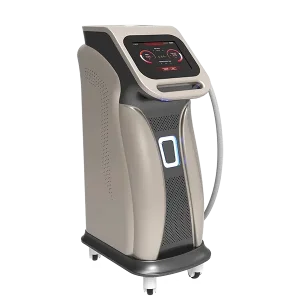
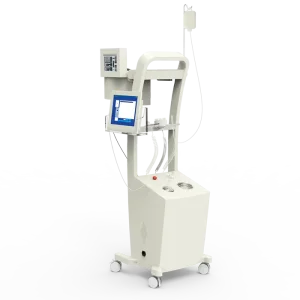
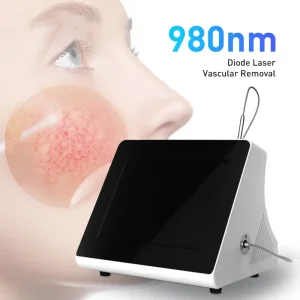
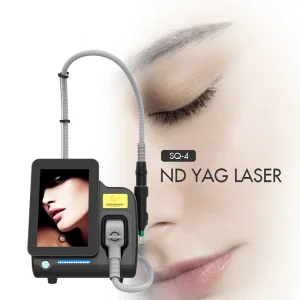
An authoritative analysis of global market trends, technological evolution, and wholesale manufacturing dynamics driving the aesthetic equipment sector.
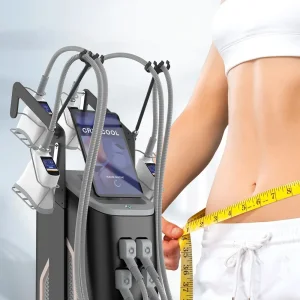
Cryolipolysis operates on the physiological principle of differential thermal sensitivity: lipid-rich adipocytes crystallize at significantly higher temperatures than water-dense dermal and vascular structures. Advanced Wholesale Fat Freezing Body Sculpting Machines utilize continuous semiconductor Peltier cooling panels to induce controlled localized apoptosis without epidermal necrosis.
Industrial-grade manufacturing requires real-time thermal feedback loops. Leading Chinese production plants integrate dual-channel Japanese thermistors and proportional-integral-derivative (PID) control systems to maintain liquid coolant flow within precise thresholds of ±0.1°C, eliminating risks of cold burn complications.
Traditional dual-plate applicators suffer from localized cold spots and inconsistent suction. Next-generation factory engineering incorporates 100% full-surface heat exchange cups constructed from medical-grade aviation aluminum alloy, expanding effective treatment surface area by over 40%.
Understanding regional buyer intent, clinic operational economics, and compliance frameworks across key international markets.
High preference for multi-technology combination platforms (Cryo + EMS Magshape + RF). Buyers demand FDA 510(k) clearance documentation, robust liability protection, and immediate spare-parts SLA within 48 hours.
Key Sourcing Trigger: Consumable-Free Applicator HandlesStrict compliance under Medical Device Regulation (MDR) Class IIa and CE 0123 certifications. Emphasis on ergonomic handpiece designs, localized UI language presets, and ultra-low decibel operational acoustic profiles.
Key Sourcing Trigger: Medical CE Compliance DossiersSurging demand driven by high volume body-contouring aesthetic clinics. High emphasis on multi-handle simultaneously operating units (4 to 5 applicators working at once) to maximize patient throughput per hour.
Key Sourcing Trigger: Dual/Quad Independent Pump Systems| Operational Parameter | Standard OEM Unit (2-Handle) | Enterprise Factory Unit (360° 4-Handle) | Commercial Impact Analysis |
|---|---|---|---|
| Initial Capital Outlay (CapEx) | $3,500 - $5,500 | $6,800 - $9,500 | Direct wholesale factory pricing lowers CapEx by up to 70% vs Western brands. |
| Average Treatment Fee / Session | $400 - $600 | $750 - $1,200 (Multi-Zone) | 360° multi-cup design commands premium fee structure per session. |
| Patient Session Duration | 60 Minutes | 35 - 45 Minutes | Shorter session duration increases clinic daily appointment capacity by +33%. |
| Consumable Card Cost | $15 - $30 / session | $0 (Consumable Free) | Direct-drive firmware eliminates artificial RFID card lockouts. |
| Estimated Break-Even Horizon | 12 - 18 Sessions | 8 - 12 Sessions | Rapid amortisation profile for commercial MedSpas and regional chains. |
Why leading global aesthetic brands and wholesale distributors partner with tier-1 Chinese production hubs in Beijing and Guangdong.
From high-precision CNC chassis milling to SMT surface-mount circuit board production, direct factory ownership guarantees end-to-end traceably. Core components—including German-engineered water pumps and Japanese semiconductor cooling chips—are integrated in-house to reduce failure rates below 0.15%.
Custom industrial design, tailored shell color injection molding, localized UI design, and multi-language software compilation can be prototyped within 14 business days. Direct access to electro-mechanical R&D engineers streamlines bespoke branding initiatives.
Before export clearance, every fat freezing machine undergoes a rigorous 72-hour continuous operational burn-in test. Pressure sensors, vacuum stability (-80kPa threshold), and thermal dissipation efficiency are stress-tested under elevated ambient temperatures.
Technical comparison between standard commercial fat freezing units and enterprise-grade 360° medical platforms.
| Specification Parameter | Standard Commercial Grade | Medical-Grade Enterprise 360° | Engineering Notes |
|---|---|---|---|
| Cooling Technology | 2-Plate Lateral Semiconductor | 360° Full-Surround Aviation Silicon/Alloy | 360° design prevents thermal escape and improves tissue contact by 100%. |
| Cooling Temperature Range | 5°C to -9°C Adjustable | 5°C to -14°C Precision Controlled | -11°C is the golden target for rapid adipocyte crystallization. |
| Vacuum Pressure Output | 10 - 60 kPa | 10 - 80 kPa (10 Levels Dynamic) | Proportional pulse vacuum modes reduce bruising and tissue trauma. |
| Hydraulic System Pump | Single Membrane Pump (2.5L/min) | Dual German Booster Pumps (6.0L/min) | Higher liquid velocity optimizes Peltier thermal heat rejection. |
| Simultaneous Applicators | 1 or 2 Active Handles | 4 Handles Active Simultaneously + Chin Cup | Independent power supplies prevent power drop when 4 handles run concurrently. |
| Safety Sensors | Single Temperature Sensor | Quad Thermistors + Flow Rate Sensors | Automatic shut-off triggers if coolant flow drops below 1.5 L/min. |
| Display & Interface | 8.4" Resistive Touchscreen | 15.6" HD Android Capacitive Touch Panel | Supports remote OTA firmware updates and clinic cloud management. |
Tailoring fat freezing equipment configurations to specific business operational environments and patient treatment demographics.
Recommended Unit: Vertical 4-Handle 360° Platform with Interchangeable Contour Applicators.
Enables simultaneous dual-site treatment (e.g., flanks + thighs) across multiple patient rooms. Maximizes revenue per square foot with continuous 10-hour daily operation capability.
Recommended Unit: Multi-Modality Platform (Cryolipolysis + 448kHz RET RF Tightening).
Ideal for non-surgical post-liposuction touch-ups, addressing residual asymmetric subcutaneous fat deposits and enhancing post-procedural dermal contraction.
Recommended Unit: Portable Dual-Handle Cryo Platform with Flight Case Housing.
Compact footprint allows ease of transport for concierge practitioners offering high-end home treatments or visiting specialist clinical days.
Expert guidance addressing engineering, OEM customization, regulatory clearance, and operational maintenance.
Traditional two-plate cryolipolysis handpieces only apply cooling to two flat surfaces, leaving significant peripheral fat unexposed to target freezing temperatures. 360° surround cooling applicators utilize an all-aluminum thermal cup design that envelops the entire suction area. This ensures uniform temperature distribution, eliminates cold spots, reduces treatment duration from 60 minutes to 35-45 minutes, and improves fat reduction efficacy per session by up to 18-25%.
Tier-1 Chinese manufacturers implement triple-layer protection protocols. First, precision digital thermistors continuously sample real-time skin-interface temperature 50 times per second. Second, the equipment firmware utilizes automatic safety cutoffs if temperatures fall below the safe parameters (-11°C to -14°C limit). Third, high-viscosity anti-freeze membrane pads infused with customized thermal-protective gels are mandatory during operation to buffer the stratum corneum.
For standard white-label orders (logo screening on chassis and software startup screen branding), the typical MOQ is 1 to 3 units with a lead time of 7 business days. For deep OEM/ODM modifications—including custom injection mold casing, bespoke handpiece geometry, or unique multi-language UI workflows—the MOQ is typically 10 to 20 units with a prototype lead time of 14 to 21 days.
Because fat freezing machines rely on high-capacity liquid heat dissipation to vent Peltier thermal output, maintaining pure coolant water is crucial. Factories recommend using deionized or distilled water exclusively, with complete fluid replacement every 30 to 45 days. High-end units feature integrated ionic filter cartridges and transparent water-level sight windows to prevent mineral scaling inside micro-channel cooling blocks.
Importers must verify compliance based on regional regulatory bodies: Medical CE (under EU MDR 2017/745) for European countries, FDA 510(k) clearance or Class II medical device registration for the United States, and ISO 13485 quality management systems certification for global factory audits. Reliable factories supply complete Technical Dossiers (including IEC 60601-1 electrical safety test reports) to facilitate smooth customs clearance.
Explore additional specialized medical systems for comprehensive clinic equipment integration.