- +86 136 8127 5833
- [email protected]
- Shunyi, Beijing, China
Industrial-grade aesthetic platforms engineered for precision clinical outcomes, continuous cooling, and extreme durability.
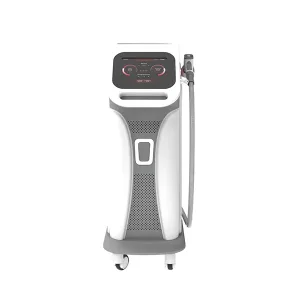
Wholesale P-808 diode laser 808nm hair removal machine high power 1200W/2000W Manufacturer, Factory
View DetailsAn authoritative analysis of epidermal thermal displacement market dynamics, clinical safety margins, and wholesale supply chain shifts.
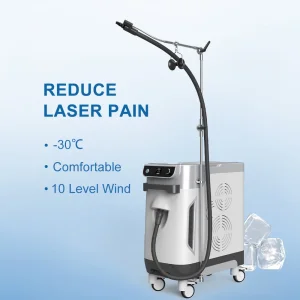
In contemporary dermatological and aesthetic laser medicine, the COOL skin cooling system (often engineered as sub-zero forced-air cryo chillers) has transitioned from an optional patient comfort accessory to an indispensable clinical safety asset. As laser energy densities increase to combat stubborn hair follicles, deep vascular anomalies, complex tattoo pigments, and recalcitrant acne scars, managing epidermal thermal accumulation is paramount. Leading medical research underscores that without active epidermal cooling, high fluences risk thermal conduction into non-targeted cutaneous layers, precipitating adverse events such as second-degree epidermal burns, post-inflammatory hyperpigmentation (PIH), permanent scarring, and blistering.
Global commercial procurement data reveals a significant market trajectory. The global market for aesthetic cooling devices—encompassing forced-air skin cooling machines, sapphire contact tips, cryogen dynamic cooling devices (DCD), and thermoelectric chillers—is expanding at a compound annual growth rate (CAGR) exceeding 8.4%. Market expansion is heavily anchored in North America, Western Europe, and the Asia-Pacific region, driven by the exponential volume of non-invasive energy-based treatments. Crucially, B2B wholesale buyers, medical spa franchises, and hospital procurement boards are systematically retrofitting their laser suites with standalone high-velocity sub-zero skin chillers (such as the ICOOL-III and Zimmer-compatible platforms) due to their zero-consumable operational cost profile and continuous forced-air delivery capability.
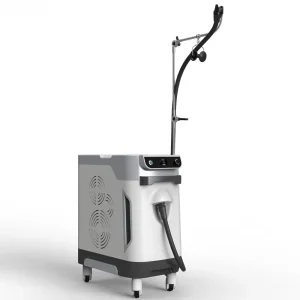
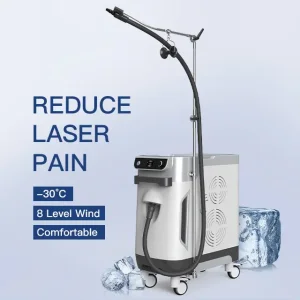
From an industrial manufacturing perspective, high-capacity wholesale COOL skin cooling system manufacturers have re-engineered closed-loop refrigeration systems to deliver sustained continuous operation under demanding clinical schedule conditions. Unlike traditional cryogen spray systems that rely on expensive tetrafluoroethane gas canisters, modern forced-air chillers draw ambient room air, filter it through multi-stage HEPA systems, compress and chill it via closed-loop vapor-compression refrigeration, and emit a constant stream of sub-zero air (-20°C to -35°C) directly onto the target treatment site before, during, and after laser pulse emission.
Dissecting thermodynamic fluid dynamics, closed-loop compressor design, and the integration of artificial intelligence in skin chilling technology.
Utilizing high-displacement imported compressors (e.g., Tecumseh or Panasonic industrial series), the system maintains sub-zero evaporative heat exchange even under continuous 12-hour facility operational loads.
Precision stepper motors regulate internal fan impellers, enabling practitioners to select between 1 to 6 fan speeds (airflow rates up to 1500L/min) to balance localized convective cooling against treatment site geometry.
By constantly stripping kinetic thermal energy from the stratum corneum, the skin's surface temperature drops from ~33°C to ~15°C within seconds, protecting basal melanocytes while dermal targets retain therapeutic heat.
Leading manufacturers like Beijing Sano Laser Development S&T Co., Ltd. are advancing technical roadmaps that merge sensory feedback loops with cooling delivery systems. The next horizon of skin cooling development encompasses:
Comprehensive technical matrix evaluating cooling modalities and B2B OEM manufacturing standard operating procedures.
For B2B importers, medical device distributors, and private-label aesthetic brand owners, choosing the right skin cooling technology requires comparing capital expenditure, operational maintenance, patient comfort ratings, and risk management profiles. The comparative matrix below highlights why forced-air cooling systems dominate modern clinic procurement strategies:
| Cooling Technology | Operating Temp Range | Consumable Cost | Epidermal Safety Profile | Hands-Free Operation | Ideal Aesthetic Modality |
|---|---|---|---|---|---|
| Continuous Forced-Air (ICOOL/Zimmer) | 0°C to -35°C (Tunable) | $0 (Ambient Air) | Highest (Pre, During, Post Cooling) | Yes (Articulated Arm) | Diode Laser, Pico, CO2, IPL, RF |
| Sapphire Contact Cooling | -5°C to 4°C | Low (System Maintenance) | Moderate (Requires Direct Contact) | No (Handpiece-dependent) | Diode Hair Removal Only |
| Cryogen Dynamic Spray (DCD) | Sub-zero burst | Very High (Gas Canisters) | High (Requires Precise Timing) | Automated in Laser | Alexandrite / Long-Pulse Nd:YAG |
| Chilled Ice Packs / Topical Gels | 0°C to 10°C | Low (Messy & Labor Intensive) | Low (Inconsistent Temp) | No (Manual Staff Holding) | Minor Cosmetic Injections |
As an industry-leading OEM/ODM manufacturer headquartered in Beijing, Beijing Sano Laser Development S&T Co., Ltd. enforces strict quality control standards for wholesale skin cooling system production:
Every chiller unit undergoes rigorous electrical safety screening (IEC 60601-1 standards), electromagnetic compatibility (EMC) testing, and medical-grade CE documentation validation for seamless global customs clearance and registration.
Prior to chassis assembly and packaging, compressor assemblies undergo uninterrupted 72-hour stress testing within temperature-controlled environmental chambers to guarantee zero thermal degradation in high-humidity markets.
SANO provides global distributors with complete private-label engineering, including custom ABS injection-molded housing designs, multi-language UI software localization, bespoke color palettes, and branded outer packaging.
How medical practitioners leverage sub-zero skin chilling systems across distinct clinical laser procedures.
When operating high-power 1200W to 3000W diode lasers (808nm/755nm/1064nm) on dense hair or Fitzpatrick skin types IV-VI, forced air blowing at -20°C continuously cools the epidermis, preventing thermal stacking while hair shafts absorb destructive fluences.
Photo-acoustic shockwaves generated by high-peak power picosecond lasers cause localized epidermal frosting and rapid thermal expansion. Pre-chilling and post-chilling the skin with forced cold air blunts immediate pain receptors and dramatically lowers edema risk.
Ablative CO2 lasers create micro-thermal zones (MTZs) that induce intense burning sensations post-procedure. Blowing sub-zero air across the face immediately calms neuro-sensory pain pathways, replacing uncomfortable topical ice packs with sterile cold air.
Treating superficial telangiectasia and spider veins with 980nm diode vascular lasers requires target hemoglobin coagulation. Direct air cooling protects the surrounding dermis from purpura while keeping vascular channels concentrated for maximum energy absorption.
Applying short 3-minute bursts of sub-zero cold air prior to aesthetic injections (dermal fillers, neurotoxins, or body sculpting treatments) acts as an instantaneous temporary neural blockade, minimizing needle insertion pain without chemical numbing agents.
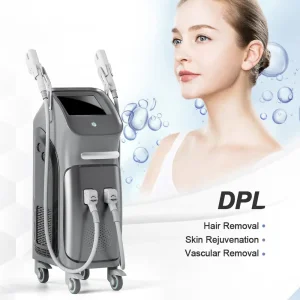
Dye Pulsed Light (DPL) delivers broad-spectrum intense light pulses for acne and pigmentation clearance. Concurrent air cooling prevents superficial heat buildup in epidermal pigment, preventing unwanted thermal boundary degradation.
Expert answers addressing high-intent engineering, wholesale procurement, and clinical operational queries.
While sapphire contact cooling is effective directly under the laser crystal, it only cools skin in direct contact with the handpiece window. Standalone forced-air chillers (like the ICOOL-III series) allow continuous pre-cooling of adjacent skin zones, real-time cooling during energy delivery, and immediate post-laser thermal dissipation. Furthermore, forced air works seamlessly with non-contact procedures like picosecond tattoo removal, fractional CO2 laser resurfacing, and vascular laser firing where contact glass handpieces cannot be used.
For most laser aesthetic procedures, an outlet air temperature between -20°C and -30°C is clinically optimal. This temperature range lowers skin surface temperature to approximately 12°C to 15°C within 3 to 5 seconds of application, creating an effective thermal barrier that protects the epidermis while preserving therapeutic deep-dermal target heat coagulation.
Forced-air cooling systems operate with zero consumable gas costs. Liquid nitrogen and tetrafluoroethane cryogen spray systems require purchasing expensive replacement canisters that can cost clinics thousands of dollars annually per device. Forced-air chillers generate continuous cold air simply by utilizing filtered ambient room air and standard electricity, delivering a 100% return on investment (ROI) within months of clinical deployment.
Commercial forced-air chillers require minimal maintenance: monthly cleaning/washing of the air inlet dust filters, periodic inspection of the flexible air hose, and emptying the internal water condensation drainage tank (or connecting an automatic drain line). Because SANO chillers utilize sealed closed-loop refrigeration compressors, no refrigerant gas refilling is required under normal operating conditions.
Yes. SANO skin cooling systems are engineered with universal hands-free articulated support arms and custom laser handpiece adapters. They are fully compatible with major global aesthetic laser brands (such as Candela, Lutronic, Alma, Cynosure, Cutera, and Syneron) as well as custom OEM laser platforms.
Explore our full line of CE-certified aesthetic laser platforms, body sculpting devices, and advanced skin chillers.
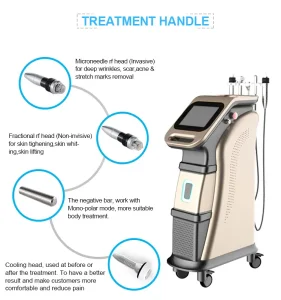
High-Quality Sano Laser Micro needle RF fractional rf system radio frequency Manufacturers, Suppliers
View Details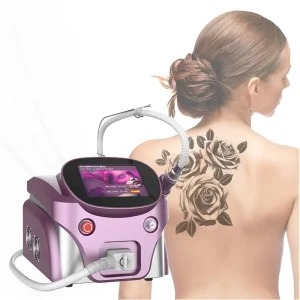
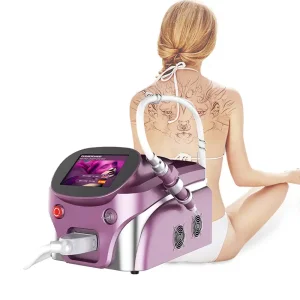
CE Certification Hot sales portable picosecond nd yag laser tattoo removal machine Manufacturers, Factory
View Details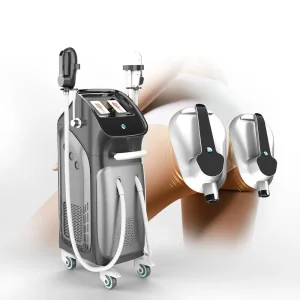
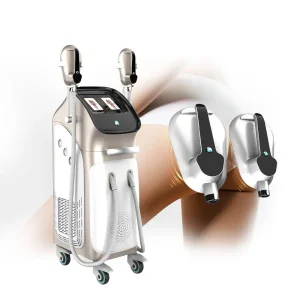
CE Certification magshape muscle building and body shaping device Manufacturers, Supplier
View Details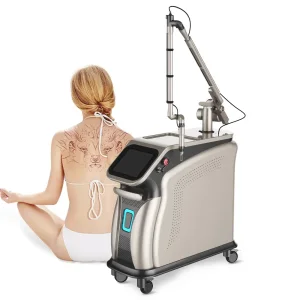
Wholesale 532NM 1065NM Picosecond Laser Tattoo Remover Nd Yag Laser Tattoo Removal Suppliers, Factory
View Details