- +86 136 8127 5833
- [email protected]
- Shunyi, Beijing, China
Explore our flagship OEM/ODM manufactured systems, engineered with medical-grade components, rigorous thermal management, and international CE compliance.
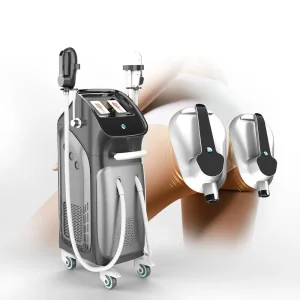
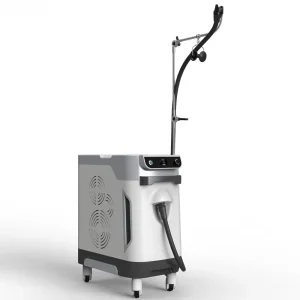
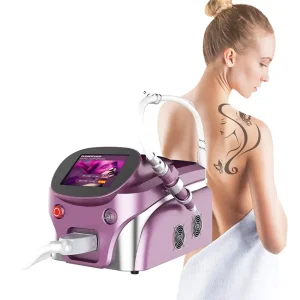

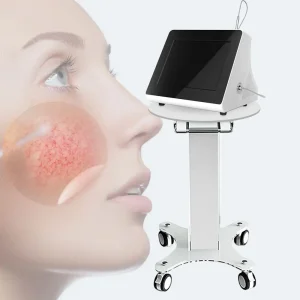
In the contemporary medical aesthetics industry, thermal management during laser, light, and radiofrequency procedures represents a fundamental pillar of patient safety, clinical efficacy, and operational throughput. High-powered energy-based devices (EBDs)—such as high-fluence 808nm diode lasers, fractional ablative CO2 resurfacing scanners, picosecond photo-acoustic tattoo systems, and 980nm vascular lasers—deposit intense thermal energy into target chromophores within the dermis and epidermis. Without robust epidermic cooling, thermal diffusion rapidly elevates epidermal temperatures past the pain threshold (>45°C) and irreversible protein denaturation threshold (>60°C), resulting in thermal burns, post-inflammatory hyperpigmentation (PIH), blistering, and prolonged downtime.
The OEM Zimmer Cryo 6 skin cooling system architecture has long been recognized as the gold standard in non-contact cryo-analgesia. Engineered to produce continuous forced cold air down to -30°C to -38°C, these systems mitigate pain, minimize epidermal thermal trauma, and enable clinicians to safely escalate energy fluences to achieve optimal therapeutic endpoints. As global procurement demands shift toward high-reliability, cost-effective OEM manufacturing, direct factory sourcing from specialized engineering hubs in China has emerged as the definitive supply chain strategy for international medical distributors, clinical franchises, and aesthetic device brand owners.
Core Thermodynamic Principle: Cold air epidermal cooling operates on the principle of forced convective heat transfer. By blowing sub-zero refrigerated air continuously over the treatment zone before, during, and immediately after laser pulse delivery, heat energy is rapidly drawn away from the stratum corneum without dampening laser beam transmission or altering focal depth.
An engineering benchmark evaluating thermal safety, operating economics, and clinical adaptability across modern aesthetic cooling modalities.
| Cooling Modality | Temp Range (°C) | Consumable Cost | Laser Transmission Impact | Epidermal Burn Protection | Operator Ergonomics |
|---|---|---|---|---|---|
| Forced Air (Zimmer Cryo 6 OEM) | -30°C to -38°C | Zero Consumables (Ambient Air) | 0% Interruption (100% Optical Path Clear) | Superior (Continuous Pre/Mid/Post) | Hands-free / Articulating Arm |
| Sapphire Contact Cooling | +4°C to -5°C | Low (Requires Coupling Gel) | Possible Dispersion via Gel/Debris | Moderate (Requires Direct Contact) | Heavy Handpiece Weight |
| Cryogen Spray (DCD) | -20°C (Pulse Cryogen) | High (Gas Canisters / Refills) | Transient Obstruction via Vapor Cloud | High Peak, Low Duration | Automated, Handpiece Integrated |
| Ice Packs & Chilled Gels | 0°C to +5°C | Low Initial Cost | Must Be Removed Prior to Pulse | Poor / Inconsistent Thermal Gradient | Manual Staff Effort Required |
Unlike contact sapphire plates that absorb heat over prolonged firing sessions, sub-zero air cooling provides an infinite thermal sink that never warm-ups, guaranteeing stable -35°C output indefinitely.
By completely eliminating direct physical contact with compromised epidermal barriers or post-ablative tissue, forced air eliminates infection risks during sensitive fractional skin resurfacing.
With zero ongoing gas canisters, cryogen cartridges, or disposable tip purchases, clinic operators achieve total machine amortization within months, vastly improving operational profit margins.
An in-depth analysis of industrial cluster synergy, advanced refrigeration engineering, rigorous quality assurance, and modular customization capabilities.
China's specialized medical equipment industrial zones bring together precision rotary compressor manufacturers, high-efficiency heat exchanger fabricators, automated CNC sheet metal stamping plants, and advanced medical ABS injection molding facilities within consolidated geographic hubs. This geographic cluster synergy allows OEM Zimmer Cryo 6 manufacturers to source premium components—such as low-noise German/Japanese design compressors, eco-friendly R404a/R290 refrigerants, and military-grade cooling radiators—with ultra-fast procurement lead times and zero supply chain bottlenecks.
A frequent failure point in generic cold air chillers is evaporator icing and sudden airflow blockage during high-humidity operation. Leading OEM factories in China have solved this engineering obstacle by designing double-stage closed-loop refrigeration systems equipped with automated hot-gas bypass defrost technology. Sensors continuously monitor internal coil frost levels and automatically trigger micro-defrost cycles without interrupting sub-zero air delivery at the treatment head. This guarantees 100% continuous duty cycles in high-volume commercial clinics.
Distributors and aesthetic device manufacturers seeking to offer an integrated cold air solution under their proprietary brand identity benefit from extensive customization options provided by China OEMs:
Tier-1 OEM factories operate under strict ISO 13485 quality management systems. Every manufactured skin cooling system undergoes a rigorous 72-hour continuous burn-in test inside temperature-controlled environmental test chambers. Equipment is subjected to electrical safety testing (IEC 60601-1 standard), electromagnetic compatibility validation (IEC 60601-1-2), airflow velocity calibration, and acoustic noise testing to guarantee operating sound levels remain under 58 dB—ensuring a quiet, calm clinical setting.
Discover how forced air cold cryo systems optimize safety parameters and patient tolerance across varied aesthetic energy treatments.
Integrated cold air blast during high-frequency (10Hz) 808nm diode or 755nm Alexandrite laser sweeps cools the epidermis rapidly, preventing heat accumulation while allowing higher fluences for stubborn, fine follicles.
Sub-zero air pre-chilling and post-cooling dramatically cuts procedural burning sensation during micro-ablative scanning. Reduces post-treatment erythema duration by up to 50% without interfering with tissue vaporisation.
Picosecond photomechanical shockwaves induce sharp topical pain. Continuous -30°C cold air dampens nociceptor responses immediately, enabling clinicians to complete dense ink removal sessions quickly.
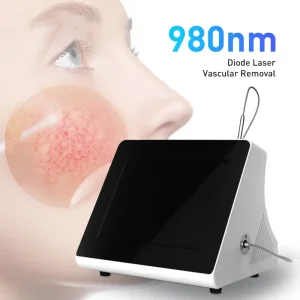
Targeting hemoglobin with 980nm or 1064nm wavelengths requires high dermal thermal deposition. Cold air keeps the upper epidermis protected against thermal necrosis while deep vessels undergo thermal target coagulation.
Providing comfortable non-invasive air numbing prior to skin insertion minimizes patient anxiety and eliminates the need for prolonged topical numbing creams in fast-paced clinical environments.
Topical air anesthesia immediately preceding Botox, dermal filler injections, or thread lifts temporarily numbs cutaneous nerve endings, providing a smooth, painless patient injection experience.
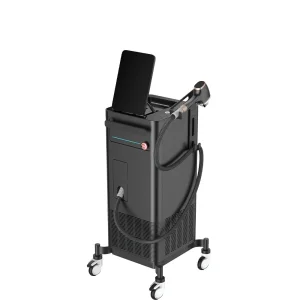
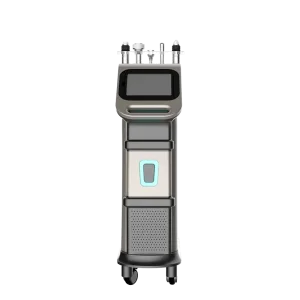
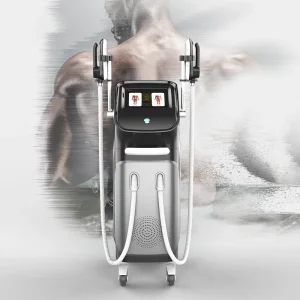
Explore our complete catalog of OEM-certified laser, radiofrequency, body sculpting, and medical skin treatment platforms.
In-depth engineering answers covering technical specifications, maintenance protocols, regulatory compliance, and OEM partnership logistics.