- +86 136 8127 5833
- [email protected]
- Shunyi, Beijing, China
Explore our engineering-validated aesthetic equipment portfolio designed for seamlessly combined protocols with forced-air cold skin cooling devices.
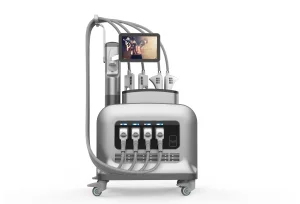
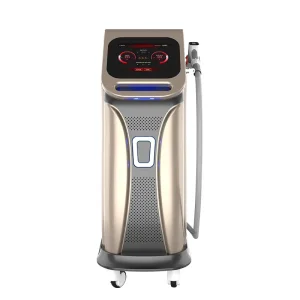
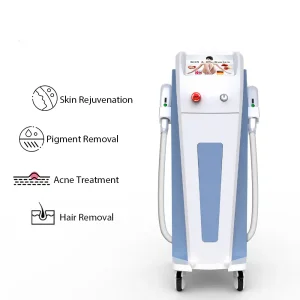
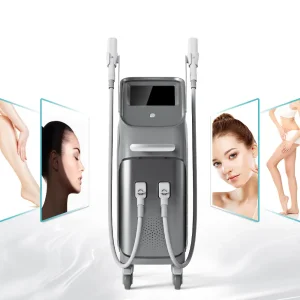
Analyzing B2B market dynamics, regulatory changes, and OEM manufacturing demands for skin cooling platforms across global aesthetic dermatology sectors.
In the rapidly evolving landscape of medical aesthetics and dermatological laser therapy, the modern clinic ecosystem demands unprecedented energy fluences to achieve clinical efficacy in hair removal, vascular clearance, pigment shattering, and structural skin resurfacing. However, high-energy optical emissions (such as 808nm diode lasers, 1064nm/532nm picosecond platforms, fractional CO2 lasers, and intense pulsed light DPL systems) introduce substantial thermal energy into the target cutaneous structures. Without rigorous, continuous epidermal thermal protection, the risk of thermal trauma, superficial epidermal burns, post-inflammatory hyperpigmentation (PIH), and patient intolerance escalates exponentially.
This technical whitepaper serves as an authoritative B2B procurement and engineering blueprint for dermatological clinics, medical equipment distributors, aesthetic franchise chains, and original equipment manufacturer (OEM) partners. As a premier **OEM Skin Cool System Air Cold Device Skin Cooling System Manufacturer & Factory**, Beijing Sano Laser Development S&T Co., Ltd. addresses the urgent macro-industry demand for non-contact, continuous forced-air cryotherapy devices capable of delivering stable -30°C to -35°C chilled air streams directly onto the target anatomical site before, during, and after laser emission.
Historically, aesthetic practitioners relied on passive cooling mediums such as chilled topical hydrogels, disposable ice packs, contact sapphire crystal tips, or cryogenic spray bursts (R-134a tetrafluoroethane). While contact sapphire cooling is effective directly under the laser window, it fails to cool the pre-treatment area or clear residual dermal heat post-laser stroke. Furthermore, contact cooling requires skin contact, raising hygiene protocols and cross-contamination challenges in high-throughput practices.
Forced-air cold skin cooling devices have emerged as the global gold standard due to their non-contact operational modality, zero consumable overhead costs, adjustable air-speed thermodynamics, and broad compatibility with virtually any light-based, radiofrequency, or acoustic aesthetic device. Global corporate procurement metrics indicate a 24.5% Year-over-Year (YoY) increase in standalone skin air cooling device integration across hospital dermatology units, chain medical spas, and aesthetic equipment rental portfolios throughout North America, Europe, the Middle East, and Asia-Pacific regions.
Inside the engineering matrix of high-capacity compressor refrigeration, dual-stage filtration, variable airflow dynamics, and sub-zero nozzle fluid mechanics.
Utilizes commercial-grade variable frequency compressors coupled with eco-friendly R404a/R134a refrigerants to pull ambient room air down to -35°C within 3 to 5 minutes of system initialization, guaranteeing non-stop clinical operation.
Integrated multi-speed centrifugal blowers deliver smooth, adjustable air flow rates across 6 to 10 distinct intensity levels, optimizing thermal convection rates based on anatomical site sensitivity and laser pulse repetition frequency.
Incorporates an intelligent condenser sensor array and automatic hot-gas bypass defrosting loop to prevent ice crystal formation inside the air hose and thermal exchange core during extended 8-hour continuous daily clinic operation.
To assist procurement managers and clinical directors in evaluating skin thermal management hardware, the following table compares key operational parameters across industry cooling methodologies:
| Thermal Management Modality | Target Temp Range | Consumable Costs | Pre/Post Laser Cooling | Cross-Contamination Risk | Operator Ergonomics |
|---|---|---|---|---|---|
| Forced-Air Cooling Device (SANO) | -20°C to -35°C (Adjustable) | Zero (Ambient Air Only) | Continuous (Pre, During, Post) | Zero (Non-contact air stream) | Hands-free hands-off boom arm option |
| Sapphire Contact Crystal Tip | +4°C to -5°C | Low (Maintenance/Gel) | During Laser Only | Moderate (Direct skin contact) | Requires manual probe skin pressing |
| Cryogen Spray Injection (DCD) | -20°C (Instant burst) | High (Gas canisters required) | Milliseconds Before Pulse | Low (Gas spray) | Trigger tied to laser handpiece firing |
| Ice Packs / Chilled Hydrogels | 0°C to +10°C | Low to Moderate | Pre & Post Only | High (Reusable packs) | Labor intensive for clinical staff |
Detailed breakdown of how OEM skin air cooling platforms enhance efficacy, safety, and operational throughput across diverse energy-based medical devices.
When high-frequency in-motion diode hair removal (up to 10Hz) is conducted, dermal heat accumulates rapidly. Directing a continuous stream of -30°C chilled air neutralizes epidermal thermal stack, allowing high-fluence single passes without risking epidermal sloughing or superficial burns, especially on darker skin types (Fitzpatrick IV-VI).
Picosecond photomechanical shockwaves dissipate micro-thermal energy into surrounding dermal tissues during ink pigment and melasma treatment. Continuous skin cooling numbs nerve endings in the stratum corneum, significantly alleviating patient pain without interfering with photoacoustic pigment fragmentation.
Ablative 10,600nm CO2 micro-beams create vertical microscopic thermal zones (MTZs). Post-procedure application of air cold skin cooling rapidly quenches residual bulk heat, shrinking immediate post-treatment edema, mitigating intense burning sensations, and accelerating patient discharge times.
Broadband light therapies deposit energy non-selectively across the upper dermis. Air cold skin devices maintain target surface temperatures below 15°C throughout treatment, preventing superficial melanin flare-ups while permitting optimal energy deposition into deeper vascular and pigmentary targets.
Clearance of facial telangiectasia and spider veins requires thermal coagulation of blood vessels. Cold air cooling protects the superficial skin from thermal transfer, confining the thermal destruction strictly to the intravascular hemoglobin target.
High-intensity focused ultrasound and radiofrequency thermal energy create focal coagulation points beneath the skin. External cold air flow reduces surface sensory nerve reaction, making deep tissue collagen remodeling comfortable without systemic anesthesia.
End-to-end manufacturing workflows, white-label chassis design, electrical safety compliance, and global logistical support tailored for multinational B2B distributors.
As a specialized factory and manufacturing partner based in Beijing, China, Beijing Sano Laser Development S&T Co., Ltd. provides robust Original Equipment Manufacturer (OEM) and Original Design Manufacturer (ODM) services. We enable global medical aesthetic brands to establish custom skin cooling device product lines tailored to their brand aesthetic, localized voltage standards, and specific clinical workflow requirements.
In-depth answers to frequently asked engineering, clinical, and supply chain queries submitted by equipment importers and distributor procurement desks.
SANO industrial forced-air cooling systems maintain continuous output temperatures ranging from -20°C down to -35°C depending on ambient room temperature and selected blower speed. The internal variable-frequency refrigeration compressor rapidly chills the heat exchanger, providing continuous sub-zero airflow without temperature degradation during extended clinical treatments.
While sapphire contact glass cools the immediate epidermis upon direct skin pressure, forced-air cooling cools the targeted skin area continuously before, during, and immediately after the laser pulse is delivered. Furthermore, forced-air cooling avoids direct contact with compromised or delicate skin, eliminating cross-contamination risks and enabling pain relief during non-contact laser therapies like Picosecond tattoo removal and Fractional CO2 resurfacing where contact tips cannot be used.
Maintenance is minimal. Operators must periodically clean or replace the washable air intake dust filter located at the rear of the unit to ensure unimpeded airflow. The system features an automatic defrosting cycle to manage condensation internal moisture, which drains into an easily accessible internal reservoir or rear drain port. No expensive refrigerant gas refills or specialized disposable cartridges are needed.
Yes. Beijing Sano Laser provides complete OEM and ODM customization for distributors purchasing in batch quantities. We offer custom exterior color matching, screen-printed corporate logos, tailored hardware casing geometries, custom GUI software branding, personalized user manuals, and customized wooden crate packaging built for international freight safety.
Every skin cooling device comes standard with a comprehensive 2-year factory warranty. We maintain a full inventory of replacement compressors, blower motors, control boards, thermal sensors, and flexible air hoses in stock for fast air-freight dispatch. Additionally, our engineer-led technical support desk offers 24/7 video diagnostics and troubleshooting support for global distributors.
Explore SANO's premier line of medical laser, RF, IPL, cryolipolysis, and body sculpting systems built in our Beijing manufacturing facility.