- +86 136 8127 5833
- [email protected]
- Shunyi, Beijing, China
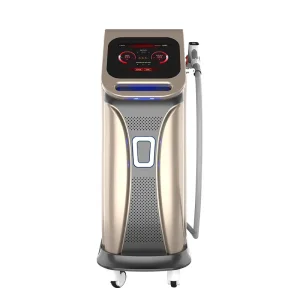
Select medical-grade laser, RF, and auxiliary cooling systems engineered for international clinics and distributors.
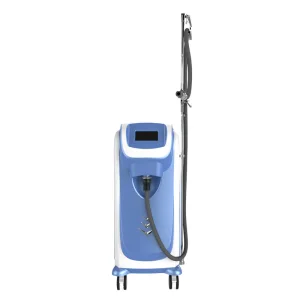
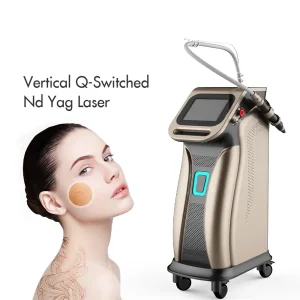
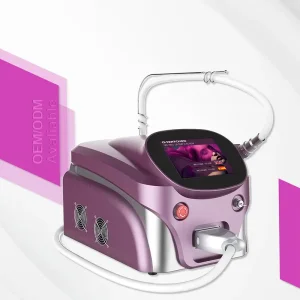
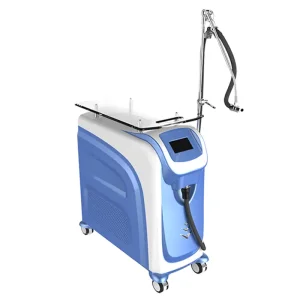
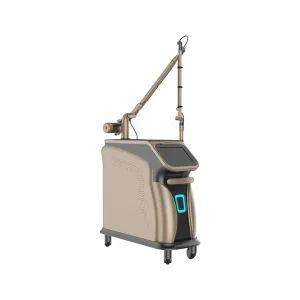
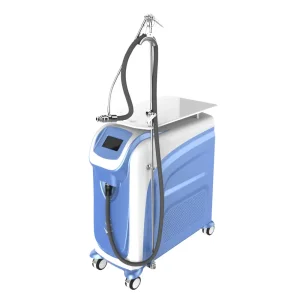
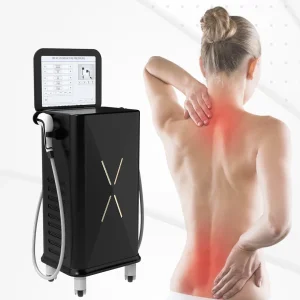
The global medical aesthetic sector is experiencing an unprecedented surge in demand for laser tattoo removal and pigment clearing procedures. Driven by shifting social demographics, career transitions, and the rise of "tattoo regret"—which affects an estimated 28% to 35% of tattooed individuals worldwide—dermatology clinics, medical spas, and aesthetic laser chains are actively upgrading their technological fleets. However, navigating the procurement landscape for OEM (Original Equipment Manufacturer) laser tattoo removal systems requires a sophisticated understanding of capital expenditure (CapEx), operational engineering, photonics component costs, and supply chain dynamics.
To evaluate an OEM laser tattoo removal machine supplier, procurement officers must understand the physical bill of materials (BOM) and component-level engineering.
The core heart of any Q-switched or Picosecond machine. High-end systems utilize single or dual Nd:YAG (Neodymium-doped Yttrium Aluminum Garnet) crystal rods. Premium OEM factories invest heavily in high-purity synthetic crystals and xenonal flashlamps. Dual-rod configurations increase peak power and beam uniformity, representing 30% to 40% of the hardware manufacturing cost.
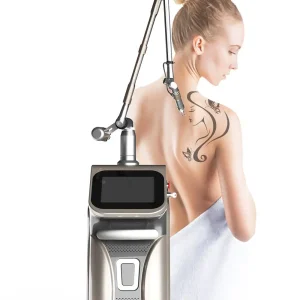
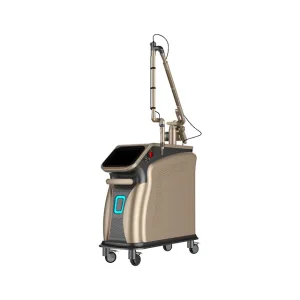
Entry-level Q-switched systems use passive handpieces with internal crystals, which limits energy output and beam profile quality. Professional-grade picosecond platforms feature imported 7-joint Korean articulated optical arms with high-transmission dielectric mirrors. These arms guarantee precise energy transmission, minimal power drop-off, and adjustable spot sizes (2-10mm).
Generating ultra-short pulses (nanoseconds down to picoseconds) demands massive electrical energy conditioning. Industrial OPT/Capacitor power supplies (rated at 2000W to 3000W) provide stable discharge without thermal drift. High-capacity power units prevent pulse energy degradation during long clinical sessions, ensuring homogenous pigment shattering.
| Equipment Category | Pulse Width | Typical OEM Cost (China Factory) | Distributor Retail Price (Western Markets) | Target Clinical Application |
|---|---|---|---|---|
| Portable Q-Switched Nd:YAG | 10 - 20 ns | $1,800 - $3,500 | $8,000 - $15,000 | Basic black ink removal, carbon peels, small clinics |
| Vertical Dual-Rod Q-Switched | 5 - 8 ns | $4,500 - $8,200 | $18,000 - $35,000 | Multi-color tattoos, epidermal pigment, high-volume medspas |
| True Picosecond Platform (7-Joint Arm) | 450 - 750 ps | $9,500 - $18,500 | $45,000 - $95,000+ | Stubborn green/blue inks, recalcitrant pigment, melasma, skin rejuvenation |
| Multi-Wavelength Pico + Cryo Integration | < 500 ps | $14,000 - $24,000 | $65,000 - $120,000+ | Comprehensive dermatological surgery & specialized tattoo centers |
Modern procurement officers search not merely for a "cheap machine," but for an optimal balance between Information Gain, system uptime, treatment safety, and clinical efficiency. When commercial buyers search for OEM laser tattoo removal machine cost, their search intent splits into three distinct operational profiles:
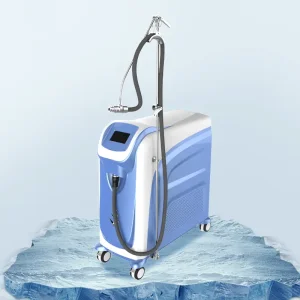
Key Focus: ROI, treatment speed, low consumable costs, patient safety. Medspas require machines that can handle back-to-back appointments without overheating. Integrating external chillers (like Zimmer-style cold air cooling systems) directly improves patient comfort and allows higher fluence delivery safely.
Key Focus: OEM/ODM customization, private labeling, regulatory compliance (CE, ISO13485, Medical CE), and localized warranty support. Distributors seek reliable China factory partners capable of supplying customized chassis designs, multi-language software, and standardized replacement spare parts.
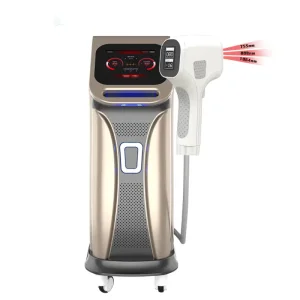
Key Focus: Beam profile homogeneity (flat-top vs. Gaussian), spectral multi-wavelength versatility (1064nm, 532nm, 755nm, 585nm, 650nm), and photo-acoustic mechanical disruption rather than photo-thermal damage to prevent post-inflammatory hyperpigmentation (PIH).
How advanced manufacturing clusters in Beijing and Eastern China reduced global OEM procurement costs by 60% without sacrificing medical precision.
China's aesthetic laser industrial parks combine optical lens grinding, metal sheet CNC machining, PCB circuit printing, and cleanroom optical assembly within single geographic zones. This tight ecosystem cuts component logistics delays and manufacturing overhead dramatically.
Top-tier OEM facilities execute mandatory 72-hour continuous flashlamp stress testing and energy pulse calibration before shipping. Energy meter testing guarantees that the displayed output fluence on the touchscreen matches real-world laser output at the handpiece.
Leading manufacturers hold ISO 13485 quality management certification and produce hardware compliant with CE, RoHS, and international electrical safety standard IEC 60601-1. Complete technical documentation dossiers are provided to OEM importers to facilitate local registration.
Understanding the underlying physics is essential when explaining machine costs to clinic investors. The evolution from traditional Q-switched nanosecond lasers to true picosecond platforms represents a fundamental shift in energy delivery:
Delivers energy in 5–20 nanoseconds. Relies on heating pigment particles until they fracture. Requires higher total fluences, increasing the risk of epidermal heating, blistering, scarring, and post-treatment downtime.
Delivers energy in 450–750 picoseconds. The pulse duration is shorter than the thermal relaxation time of the ink particles, creating a rapid stress wave that shatters ink into micro-dust. Ink particles are removed faster by macrophages with minimal tissue damage.
Pairing picosecond lasers with continuous -30°C cold air cooling (such as ICOOL or Zimmer systems) numbs the nerve endings, prevents thermal buildup on the epidermis, and allows operators to safely deliver higher effective treatment energies.
Direct answers from our engineering desk to guide equipment buyers and clinic managers.
Explore our full ecosystem of high-power laser platforms, body slimming systems, and specialty aesthetic devices.