- +86 136 8127 5833
- [email protected]
- Shunyi, Beijing, China
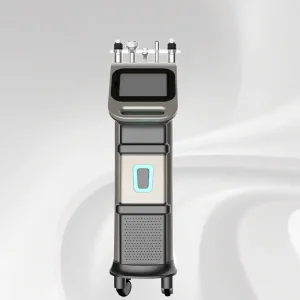
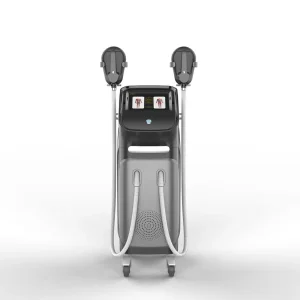
Analyzing market dynamics, capital expenditure trends, and manufacturing cost structures shaping the non-invasive aesthetic medical sector in 2026.
The global non-invasive body sculpting and contouring market has experienced unprecedented growth, transitioning from a luxury MedSpa offering into a core operational pillar for aesthetic clinics, dermatology chains, and commercial wellness centers worldwide. According to recent clinical procurement data, the global aesthetic body shaping hardware sector is expanding at a Compound Annual Growth Rate (CAGR) of 14.8%, driven by increasing consumer demand for non-surgical fat reduction, muscle hypertrophy, skin tightening, and cellulitic tissue remodeling.
However, for B2B procurement managers, regional distributors, and medical spa brand founders, navigating the complex financial landscape of OEM body sculpting machine costs requires a granular understanding of hardware engineering, technology licensing, manufacturing origin, and component-level Bill of Materials (BOM) cost drivers. Purchasing a body contouring platform involves evaluating not just the initial factory gate invoice (EXW/FOB), but the Total Cost of Ownership (TCO), lifetime consumable overhead, maintenance cycles, and clinical efficacy metrics.
Western legacy manufacturers (US/EU brands) typically market body shaping devices between $60,000 and $180,000 USD per unit. This price point reflects heavy clinical trial amortization, extensive direct marketing, and high corporate overhead, often placing hardware out of reach for independent practices.
By partnering directly with certified Beijing manufacturers like SANO Laser, procurement entities secure identical or superior technological specifications—such as 7 Tesla HI-EMT output or -12°C 360° Cryolipolysis—at factory direct OEM costs ranging from $3,500 to $18,000 USD.
Legacy systems frequently impose per-treatment card fees or single-use gel pad licensing lock-ins. High-grade OEM hardware eliminates artificial software paywalls, allowing practice owners to retain 92%-96% of patient session revenue and dramatically accelerate payback periods.
Understanding the internal component breakdown, power electronics, cooling architecture, and regulatory certifications that dictate wholesale manufacturing pricing.
When evaluating quotes from aesthetic equipment manufacturers, procurement managers must recognize that identical exterior chassis designs can house radically different interior component grades. The total manufacturer cost of an OEM body sculpting device is governed by five main engineering vectors:
| Component Vector | Entry-Level OEM ($2,000 - $4,500) | Medical-Grade OEM ($5,000 - $12,000) | Impact on Treatment & Machine Lifespan |
|---|---|---|---|
| HI-EMT / EMS Power Generators | Analog MOSFET board, peak 2.5–3.5 Tesla, air-cooled coils. | Digital IGBT Inverter Module, peak 7.0–14.0 Tesla, dual liquid cooling. | Higher Tesla ratings trigger true supramaximal muscle contractions without coil overheating or thermal shutdown. |
| Cryolipolysis Cooling Systems | Standard copper/aluminum plates, single pump, min temp -5°C. | Japanese Semiconductor Peltier Chips, dual water pumps, 360° cup cooling, min temp -12°C to -15°C. | 360° contact cooling eliminates dead zones, reducing fat layer thickness by up to 28% per session while protecting tissue. |
| Radio Frequency (RF) & Cavitation Generators | Basic single-frequency oscillator, uncalibrated energy delivery. | 448 kHz CET/RET balance capacitive generators or multi-polar vacuum-integrated RF boards. | Precise frequency control reaches deep visceral subcutaneous fat layers while keeping epidermal temperatures safe. |
| Chassis & Industrial Design | Standard ABS plastic shell, manual handpiece wiring. | Heavy-duty sheet metal internal frame, flame-retardant medical ABS, quick-connect plug-and-play handpieces. | Provides electromagnetic shielding (EMI protection), withstands international freight stress, and ensures salon durability. |
| Regulatory & Software Suite | Basic generic interface, standard factory CE declaration. | Medical CE (MDR), FDA-compliant technical dossier, Android-based smart OS with customer database & OTA updates. | Essential for lawful commercial importation, customs clearance, and seamless operation across US, EU, and Middle East markets. |
Examining the industrial clusters, supply chain density, and technological innovation driving Beijing’s OEM/ODM leadership in aesthetic machinery.
In manufacturing hubs like Beijing’s Shunyi District, laser micro-electronics, precision CNC machining, optical lens grinding, and injection molding factories reside within a 30-minute radius. This localized infrastructure reduces component sourcing lead times from months to days, drastically cutting unit production costs.
Unlike rigid Western manufacturing setups, Chinese OEM facilities provide rapid turnaround for customized industrial design, custom UI branding, shell color matching, and handpiece configuration. Prototyping cycles that take 12 months in Europe are routinely finalized within 4 to 6 weeks in China.
Leading Chinese aesthetic suppliers adhere to international ISO 13485 quality management systems. Equipment undergoes 48-hour continuous burn-in testing, high-voltage insulation security checks, and energy output calibration before final packaging, ensuring total reliability upon delivery.
Selecting the optimal body sculpting mechanism based on clinical indications, operational cost per treatment, and target client demographics.
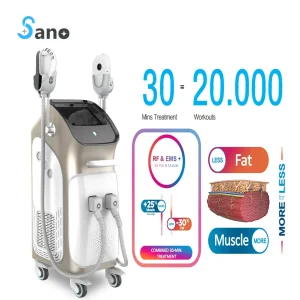
Primary Function: Muscle building & subcutaneous fat burning via electromagnetic pulses.
Tesla Power: 7.0 to 14.0 Tesla high-intensity coils.
OEM Cost Range: $3,200 – $7,500 USD
Consumable Overhead: $0 per session (Zero consumable locks).
Primary Function: Non-surgical fat freezing & localized apoptosis.
Target Temp: Controlled -9°C to -12°C semiconductor plates.
OEM Cost Range: $4,000 – $9,800 USD
Consumable Overhead: Low (Antifreeze membrane sheets).
Primary Function: Cellulite smoothing, skin tightening & lymphatic drainage.
Frequency: 40kHz ultrasound + 5MHz multipolar RF.
OEM Cost Range: $2,200 – $5,400 USD
Consumable Overhead: Low (Conductive contact gel).
Primary Function: Simultaneous thermal collagen stimulation & muscular hypertrophy.
Innovation: Dual-energy integrated handpiece array.
OEM Cost Range: $5,500 – $12,500 USD
Consumable Overhead: $0 per session.
How aesthetic equipment distributors, chain clinics, and MedSpa operators tailor body sculpting acquisitions to their business model.
Procurement Strategy: White-label OEM sourcing in lots of 10–50 units. Focus on custom housing design, localized software languages, branded shipping crates, and inclusive spare parts bundles (power boards, extra handpieces) to provide local 24-hour service.
Procurement Strategy: Standardizing across multi-bay treatment rooms with reliable multi-handle platforms (e.g., 4-handle HI-EMT or 5-handle Cryolipolysis). Priority is placed on zero-consumable operational structures and simple touch-screen UI to reduce operator training times.
Procurement Strategy: Introducing non-invasive muscle stimulation equipment to complement personal training programs. Direct factory purchasing allows fitness centers to monetize passive recovery zones with high margins and fast capital return.
Innovations in artificial intelligence, IoT tele-diagnostics, and multi-energy convergence driving the next generation of body contouring platforms.
Next-generation OEM systems incorporate bio-impedance sensing inside the handpiece. The machine dynamically adjusts magnetic pulse frequency or RF fluence in real time based on individual patient tissue density and fat impedance, preventing skin burns and optimizing treatment comfort.
For large distributors and franchise operators, Android-based IoT screens allow remote monitoring of machine pulse counts, operational hours, handpiece wear, and error logs across globally deployed machine fleets, streamlining preventative maintenance.
Single-technology platforms are rapidly giving way to hybrid systems that combine 448kHz targeted RF, acoustic cavitation, vacuum endermology, and electromagnetic stimulation into a single consolidated workstation, reducing clinic floor footprint and equipment acquisition cost.
Expert insights from our engineering and export desk addressing common buyer inquiries regarding pricing, customization, and warranty terms.
Factory-direct pricing for professional, medical-grade body shaping systems typically ranges between $3,500 and $12,500 USD depending on the modality, output power, and applicator setup. Entry-level single-handle EMS or Cavitation desktop units start around $2,000–$3,500, whereas multi-handle 360° Cryolipolysis platforms or dual-energy HI-EMT + RF systems with premium liquid cooling range between $5,500 and $12,500 USD.
Basic OEM branding—such as adding your custom logo to the machine chassis, handpieces, and software booting screen—is usually included free of charge for orders of 1–5 units. Advanced ODM modifications, such as developing a custom-molded ABS housing, proprietary software algorithms, or unique handpiece geometry, require initial NRE (Non-Recurring Engineering) tooling costs ranging from $3,000 to $15,000, which are offset when batch production scale increases.
No. One of the greatest advantages of direct OEM purchasing from SANO Laser is the elimination of per-session consumable software locks or mandatory license cards. HI-EMT muscle shaping systems operate with zero consumables. Cryolipolysis platforms only require standard anti-freeze membranes (costing ~$0.80–$1.50 per session), allowing clinic operators to maintain gross profit margins above 90% per client treatment.
Professional OEM manufacturers provide comprehensive regulatory dossiers, including CE certification under EMC and LVD directives, ISO 13485 Quality Management System certificates, RoHS compliance reports, and full technical manuals. These documents facilitate smooth customs clearance and regulatory approval across North America, South America, Europe, Asia, and the Middle East.
SANO Laser backs its platforms with a comprehensive 2-year factory warranty. Equipment is built using modular plug-and-play internal architecture. In the event of a component failure, our engineer desk diagnoses the issue remotely via video call or system error codes and dispatches express replacement modules (e.g., power supply board, handpiece lines) within 24–48 hours at zero cost to the client during the warranty period.
Due to low initial capital outlay ($4,000–$8,000 average purchase price) and minimal consumable expenses, clinics charging an average of $150 to $350 per treatment session typically recoup their entire initial equipment investment within 30 to 60 client treatments—often achieving full ROI in less than 90 days of active commercial operation.
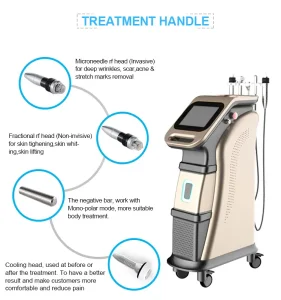
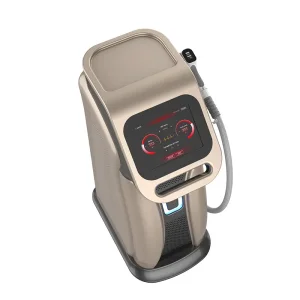
Request an immediate wholesale quotation, complete component specification sheet, or schedule a virtual live tour of our Shunyi factory facilities.
Request OEM Cost Specification & Pricing Catalog