- +86 136 8127 5833
- [email protected]
- Shunyi, Beijing, China
Direct-from-factory laser equipment engineering backed by CE compliance, advanced cooling systems, and multi-wavelength capabilities.
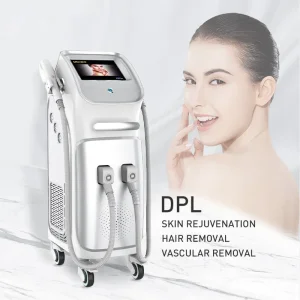
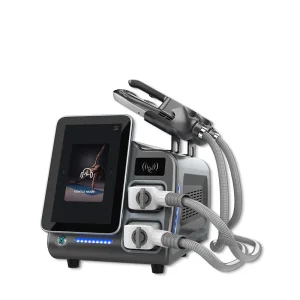
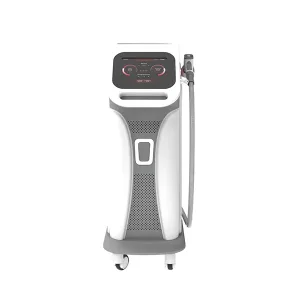
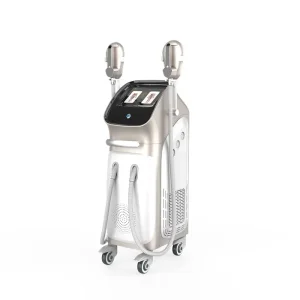
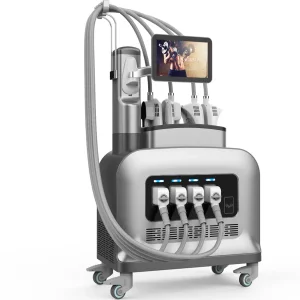
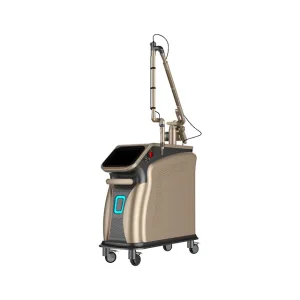
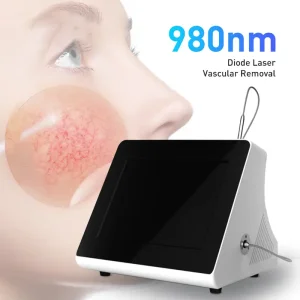
When B2B buyers, medical spa owners, and clinical procurement teams search for tattoo removal machine cost, the intent extends far beyond a simple retail price tag. Financial decision-makers require a comprehensive evaluation of the total cost of ownership (TCO), return on investment (ROI) timelines, and underlying optical architecture. Machine cost ranges globally from $3,000 for basic benchtop Q-switched units to over $120,000 for medical-grade picosecond platforms.
Understanding what drives this pricing variance is critical for sustainable practice capitalization. Manufacturing costs are dictated by core photonic component quality: optical cavity design, laser crystal purity (Nd:YAG vs. Alexandrite), pulse duration engineering (nanosecond vs. picosecond), pulse energy stability, handpiece cooling technology, and articulated light guide delivery systems.
Below is an empirical pricing and technical breakdown comparing entry-level Q-switched units, professional clinical systems, and enterprise picosecond laser platforms manufactured under ISO 13485 standards.
| Technology Category | Typical Price Range (USD) | Pulse Duration | Peak Power Output | Key Component Quality | Target Clinical Application |
|---|---|---|---|---|---|
| Entry-Level Desktop Q-Switched | $2,500 – $6,000 | 10ns – 20ns | 200MW – 400MW | Single-rod cavity, internal handpiece cooling, basic power supply | Small amateur tattoos, basic carbon peel treatments |
| Professional Vertical Q-Switched Nd:YAG | $7,000 – $16,000 | 5ns – 8ns | 600MW – 1.0GW | Dual-rod optical cavity, Korean 7-joint articulated arm, real-time energy sensor | Professional black/dark blue ink removal, epidermal pigmentation |
| Industrial High-Power Picosecond Platform | $18,000 – $38,000 | 375ps – 500ps | 1.5GW – 2.5GW | Sealed optical bench, US imported pump chamber, active liquid-to-air chiller, AI energy feedback | Full-spectrum multi-color ink clearance, recalcitrant tattoos, skin rejuvenation |
| Legacy Western Brand Systems | $80,000 – $150,000+ | 450ps – 750ps | 1.0GW – 2.0GW | Proprietary closed-ecosystem consumables, high brand premium markup | Hospitals, chain dermatology groups (High CAPEX model) |
The transition from traditional electro-optic Q-switched nanosecond lasers to true ultra-short picosecond technology represents a paradigm shift in laser-tissue interaction physics. Understanding these mechanical principles allows clinic buyers to justify purchasing decisions based on clinical safety and clearance efficiency.
Traditional nanosecond lasers rely predominantly on photothermal heating to melt pigment particles. This requires long thermal relaxation times, causing heat dissipation into surrounding tissue that increases the risk of post-inflammatory hyperpigmentation (PIH) and scarring. Modern picosecond platforms deliver peak energy in hundreds of picoseconds, creating a photomechanical pressure wave that shatters ink into micro-fine dust-like particles for rapid macrophage clearance.
Tattoo removal effectiveness depends on exact absorption matching across the optical spectrum:
Next-generation equipment integrates real-time optical power meters within the handpiece. By continuously monitoring energy density (J/cm²) at high repetition rates (up to 10Hz), intelligent closed-loop control systems eliminate power drift caused by thermal lensing in the laser crystal, protecting patients from unexpected energy spikes.
High scar rate, thermal damage, limited color absorption. Pulse durations in micro-to-milliseconds.
Standard 5-10ns pulse widths. Reliable for black pigment but required 10-15 sessions with moderate discomfort.
Sub-nanosecond pulses (375-500ps). Drastically reduces treatment sessions to 4-6 cycles while treating stubborn inks safely.
Sub-picosecond pulse delivery paired with real-time optical coherence tomography (OCT) skin feedback for zero-collateral epidermal preservation.
Investing in medical-grade laser removal technology requires a balance between capital expense and revenue generating capability. Practice administrators must evaluate how equipment capabilities translate into hourly revenue, patient satisfaction, and treatment throughput.
Tattoo removal represents one of the highest profit-margin non-invasive cosmetic procedures. With average single session pricing ranging from $150 for small tattoos to $500+ for large pieces, a clinic handling 15 treatments per week generates $100,000–$250,000 annually. Purchasing directly from a trusted factory like Beijing SANO Laser reduces initial machine CAPEX by 40-60%, accelerating practice payback period to under 4 months.
Treating skin types IV through VI requires absolute control over pulse width and energy distribution. Extended nanosecond heat delivery often triggers hypo-pigmentation or keloid formation in darker tones. By deploying uniform flat-top beam profile optics and sub-nanosecond pulses, energy is localized strictly within ink chromophores, safeguarding epidermal melanocytes.
Leading clinics combine Picosecond tattoo removal with Fractional CO2 Laser Resurfacing or RF Microneedling. Pre-treating dense ink areas with fractional channels speeds lymphatic drainage of shattered pigment particles by up to 30%, enabling shorter intervals between sessions.
As a leader in medical aesthetic laser development in Beijing, China, **Beijing Sano Laser Development S&T Co., Ltd.** operates state-of-the-art production facilities designed to deliver world-class aesthetic machinery. Industrial cluster efficiencies and vertical manufacturing control allow high-performance platforms to be delivered at fractions of Western market prices.
We source key optical and electronic components from globally renowned component leaders:
Every laser system undergoes strict ISO 13485 quality protocols. Before leaving our factory, systems complete a continuous 72-hour stress test covering energy attenuation checks, thermal management stability under high ambient temperatures, and electrical safety isolation compliance.
By eliminating multi-layered regional trading agents and selling direct to importers, distributors, and clinics, SANO Laser passes on savings directly. Buyers receive premium medical grade platforms at an honest factory-direct price structure.
For international medical distributors, private-label brand managers, and clinic chains, machinery procurement involves rigorous legal, technical, and regulatory due diligence. SANO Laser provides end-to-end support for global market entry.
SANO laser platforms ship with comprehensive technical dossiers (STED) designed to support regional medical device registrations: Medical CE compliance under EU MDR requirements, ISO 13485 quality system management certification, and electrical safety standards (IEC 60601-1 / IEC 60601-2-22).
Distributors can leverage our in-house industrial design and software engineering teams. We offer custom exterior chassis molding, bespoke color schemes, multi-language software interface translation, customized treatment parameter presets, and branded splash screens with low MOQ thresholds.
We guarantee long-term operational uptime by providing modular spare parts availability for 7+ years post-production, online engineer-to-engineer video troubleshooting support, direct express spare part dispatches, and ongoing operator video training courses.
Direct engineering answers to key technical and commercial questions surrounding tattoo removal machine cost, optics, and operation.
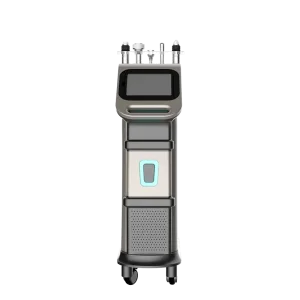
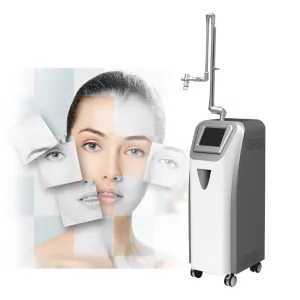
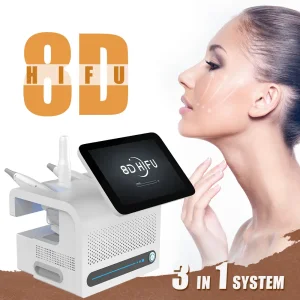
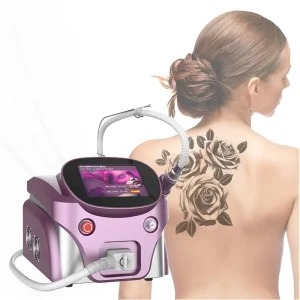
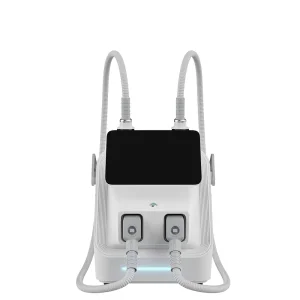
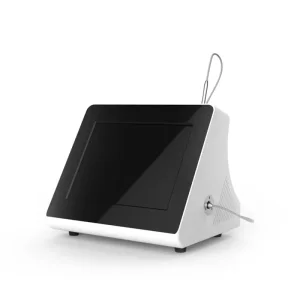
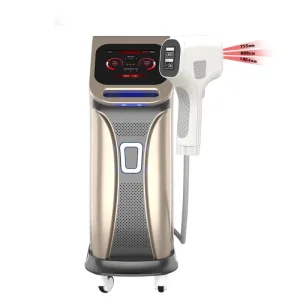
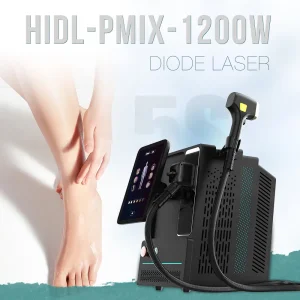
Explore additional medical-grade systems manufactured at our Beijing facility under ISO 13485 quality control.
Get direct factory pricing, request technical whitepapers, or discuss customized OEM manufacturing with our engineering team in Beijing.