- +86 136 8127 5833
- [email protected]
- Shunyi, Beijing, China
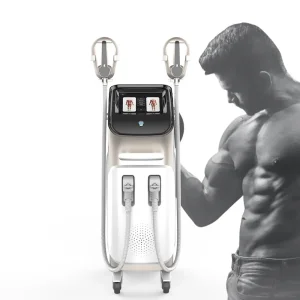
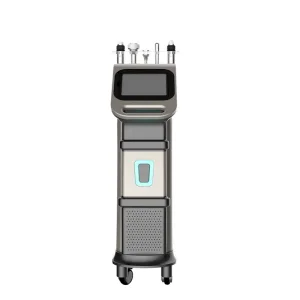
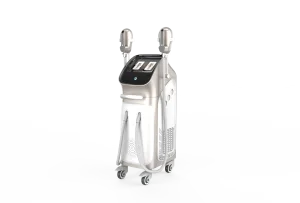
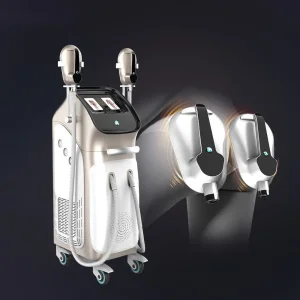
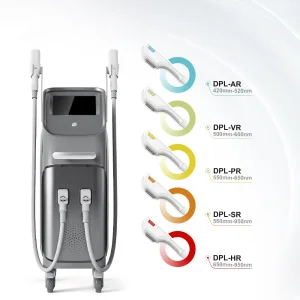
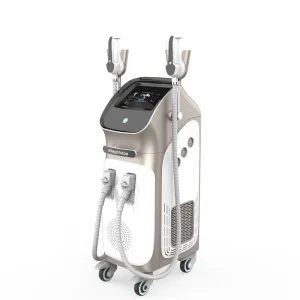
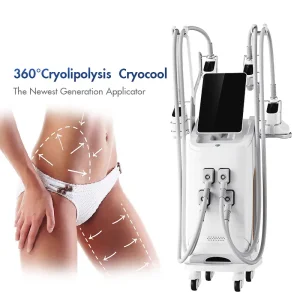
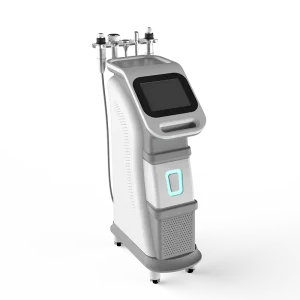
Explore high-performance systems from our certified production lines, ranging from advanced muscle sculpting and cryolipolysis to precision picosecond platforms.
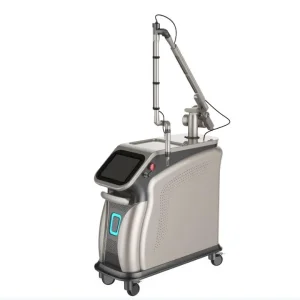
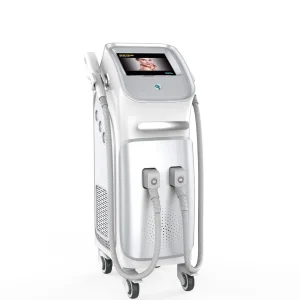
The global medical aesthetic laser sector is experiencing a fundamental transition from legacy photo-thermal energy delivery to ultra-short duration photomechanical stress waves. At the core of this transition is the picosecond laser platform. By compressing pulse durations into the 300 to 750 picosecond window, these systems achieve peak powers that induce targeted photo-acoustic shattering of target chromophores—specifically exogenous tattoo inks and endogenous melanin deposits—without imparting detrimental thermal energy to surrounding epidermal and dermal tissues.
For clinical procurement managers, MedSpa owners, and regional equipment distributors, evaluating a high-quality pico laser machine cost requires an understanding that extends beyond upfront purchase figures. Capital expenditure (CapEx) must be analyzed in conjunction with operational reliability, pulse stability, component longevity, optical maintenance overhead, and patient revenue throughput. As global demand for non-invasive pigment removal, melasma control, and skin rejuvenation accelerates, sourcing directly from OEM/ODM manufacturing hubs in China has emerged as the premier strategy to maximize gross operational margins without compromising clinical efficacy or safety standards.
Understanding what dictates the price variance in professional picosecond devices is crucial for global commercial enterprise procurement. Market pricing for professional-grade picosecond platforms generally spans three distinct tiers:
High brand-equity markups, legacy sales rep structures, and extensive marketing overhead drive elevated pricing. Maintenance contracts often range from $8,000 to $15,000 annually.
Direct-from-factory pricing incorporating imported premium core optics (Korean light-guiding arms, German xenon lamps, US laser rods). Delivers identical or superior clinical parameters with zero brand overhead.
Sub-standard micro-lasers housed inside lightweight plastic chassis. These units rely on stretched nanosecond pulses rather than true picosecond photomechanical breakdown, carrying high clinical risks.
The actual bill of materials (BOM) for a genuine clinical picosecond laser is dictated by four core engineering modules: the Articulated Light-Guiding Arm, the Laser Resonator Cavity & Optical Rods, the High-Voltage Capacitor/Power Supply Unit, and the Micro-Lens Array (MLA) Fractionated Handpieces.
| Sub-System Component | High-Spec Factory Component Standard | Impact on Clinical Efficacy & Machine Cost |
|---|---|---|
| Articulated Delivery Arm | 7-Joint Korean Optical Arm with High-Transmission Mirrors | Ensures 95%+ energy delivery accuracy without beam displacement or energy degradation across 360° rotation. |
| Laser Cavity & Crystals | Dual-Lamp Nd:YAG Rods (Yellow/Purple Quartz Assemblies) | Determines peak energy output (up to 2000mJ) and continuous operating stability without pulse decay under full clinical load. |
| Excitation Pump Source | German First-Line Xenon Lamps | Ensures pulse-to-pulse consistency across 10 million minimum rated flashes, directly preventing post-treatment PIH. |
| Optical Fractional Array | Diffractive Optical Element (DOE) / Honeycomb MLA Lens | Creates Laser-Induced Optical Breakdown (LIOB) in the dermis, multiplying skin rejuvenation tissue response without breaking the epidermis. |
| Thermal Management | Dual-Loop Refrigeration + High-Flow Water Pump System | Maintains crystal temperature at +/- 1°C, enabling uninterrupted 12-hour operational windows in high-volume clinics. |
China’s medical aesthetic equipment manufacturing sector, centered around key technological hubs such as Beijing, Wuhan, and Shenzhen, has reached a level of industrial maturation that fundamentally shifts the economics of global medical supply chains. Sourcing directly from top-tier Chinese manufacturing operations offers structural business advantages that extend beyond raw unit price reductions.
By controlling localized precision machining, optical housing fabrication, and PCB board assembly, Chinese factories eliminate international shipping lags for components and compress research-to-market cycles down to mere months.
Leading export manufacturers implement standardized 72-hour continuous electrical stress tests, 100,000-shot pulse stability measurements, and optical alignment verification prior to packaging.
Unlike rigid Western conglomerates, Chinese factories provide agile OEM/ODM options—including custom UI design, localized chassis colors, specialized handpiece branding, and custom parameter presets.
Established suppliers maintain dedicated compliance desks that provide international importers with complete ISO 13485 test reports, CE technical documentation, and safety datasheets needed for swift customs clearance.
The clinical aesthetic landscape is undergoing rapid innovation driven by evolving patient preferences for zero-downtime solutions. Organizations evaluating equipment acquisitions must align their hardware choices with these three macro engineering developments:
Next-generation picosecond platforms now integrate up to four distinct wavelengths (1064nm, 532nm, 585nm, and 650nm/755nm). This array empowers clinical operators to target the complete spectrum of tattoo inks—ranging from stubborn blues and greens to bright reds—while treating dermal pigment anomalies across all skin phototypes.
The deployment of specialized Focus Array lenses utilizes localized Laser-Induced Optical Breakdown (LIOB). This phenomenon triggers intra-dermal cavitation vacuoles that stimulate new collagen and elastin production. It transforms a standard tattoo removal device into an elite skin rejuvenation and scar remodeling engine.
Modern systems feature internal optical power meters and automated self-calibrating feedback loops. This automated self-monitoring prevents fluence drift over prolonged clinical sessions, ensuring consistent safety metrics and minimizing operator-dependent variances.
Clinical efficacy and business performance vary significantly based on patient demographics and geographic market traits. A versatile pico laser platform allows regional operators to tailor protocols to specific local aesthetic demands:
Primary Treatment Demands: Multicolored tattoo clearance, recalcitrant pigment clearance, and rapid non-ablative skin rejuvenation ("lunchtime facial").
Clinical Protocol Priority: High peak power utilizing 1064nm and 532nm wavelengths combined with spot-size adjustability (2mm to 10mm) to treat broad anatomical zones rapidly while maintaining patient comfort.
Primary Treatment Demands: Epidermal and dermal melasma, Ota nevus, freckles, post-acne erythema, and facial brightening.
Clinical Protocol Priority: Ultra-short pulse durations (under 500ps) at lower fluences to avoid thermal damage to sensitive melanocytes, preventing Post-Inflammatory Hyperpigmentation (PIH).
Primary Treatment Demands: Deep dermal pigmentation, scar revision, post-inflammatory scarring, and body skin toning.
Clinical Protocol Priority: Deep-penetrating 1064nm wavelength delivery enhanced by fractionated MLA handpieces to promote collagen remodeling without epidermal disruption on darker skin phototypes.
Primary Treatment Demands: Multi-purpose aesthetic offerings requiring high device versatility and rapid room turnover.
Clinical Protocol Priority: Standardized intuitive GUI software with pre-programmed clinical protocols allowing fast operator onboarding and minimal technician error rates.
For chain clinics, distributor networks, and hospital purchasing groups, acquiring aesthetic equipment involves evaluating global supply chain dependencies and long-term risk factors. Implementing a structured procurement strategy ensures smooth asset deployment and maximum ROI.
Mandate that the manufacturer verify the origin of key optical components (crystal rod sourcing, articulated arm joint origins, and mirror coating specs) to ensure long-term pulse stability.
Cross-check factory ISO 13485 quality management compliance along with CE certification documentation to guarantee smooth entry through international customs checkpoints.
Calculate the total cost per million shots. Unlike systems burdened by mandatory consumable software cards, direct factory systems offer predictable, transparent operating margins.
Establish Service Level Agreements (SLAs) that include guaranteed replacement part shipping timelines (via DHL/FedEx Express), online video technician training, and modular component design for rapid local repairs.
Direct technical and commercial answers from our engineering desk to help inform your equipment sourcing decisions.
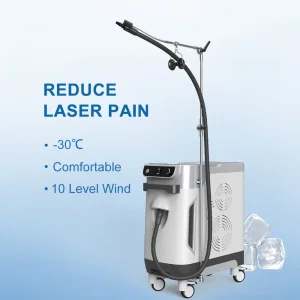
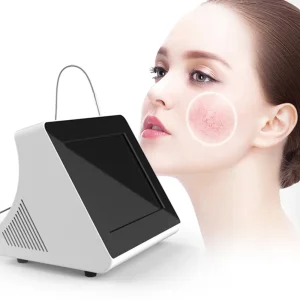
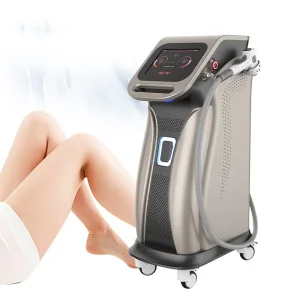
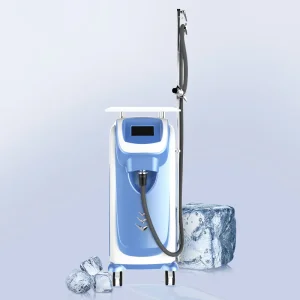
Explore additional core modalities including high-power diode hair removal, narrow-band DPL, vascular therapy, and specialized air cooling systems.