- +86 136 8127 5833
- [email protected]
- Shunyi, Beijing, China
Explore top-rated clinical equipment manufactured under strict ISO13485 and CE standards for global aesthetic distributors and medical spas.
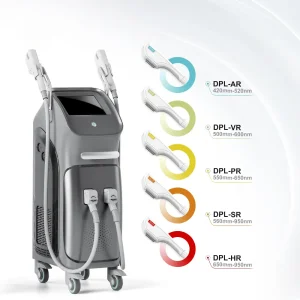

The global medical aesthetic sector has undergone a paradigm shift from aggressive ablative treatments toward high-efficacy, zero-downtime hydro-dermabrasion solutions. Among these, the demand for high-quality hydra peel facial machine suppliers & factories has experienced unprecedented expansion. Hydrodermabrasion systems—commonly referred to as hydra peel machines—combine closed-loop vortex extraction, micro-transdermal serum infusion, and multi-polar physical therapies to deliver non-invasive skin resurfacing, pore cleansing, and cellular hydration.
According to clinical market analytics, non-invasive facial rejuvenation treatments account for over 42% of all medspa revenues worldwide. Modern patients demand instant cutaneous luminosity without erythema or thermal injury. Consequently, global procurement teams, clinical equipment distributors, and aesthetic chain enterprises are increasingly bypassing third-party trading intermediaries to establish direct manufacturing alliances with certified OEM/ODM factories.
Sourcing directly from verified aesthetic equipment factories ensures rigorous quality control over critical components—such as medical-grade peristaltic fluidic pumps, anti-clogging solenoid valves, and precision electro-plating on bio-microcurrent handpieces—while securing 35% to 50% lower capital expenditure per unit compared to regional brand re-sellers.
Industrial manufacturing hubs in East Asia and Europe have refined the engineering architecture of multi-functional hydra peel platforms. Advanced OEM production centers now incorporate automated CNC machining for fluidic tip tooling, cleanroom assembly for internal hydraulic conduits, and comprehensive burn-in electronic testing to eliminate field failures in busy aesthetic practices.
In-depth breakdown of fluid dynamics, negative pressure extraction systems, and multi-modal clinical delivery mechanisms.
Utilizes custom spiral-designed tips combined with high-vacuum negative pressure (adjustable up to 90 kPa). The fluid vortex dissolves sebum, hyper-keratinized squames, and follicular debris while simultaneously instilling targeted botanical and peptide serums into the dermal interface.
Integrated electrolytic modules transform purified water into hydrogen-rich water (concentrations exceeding 1200 ppb). Active hydrogen molecules neutralize cytotoxic hydroxyl free radicals (•OH) in the skin, curbing oxidative stress and photo-aging.
Combines multi-polar radiofrequency (1 MHz - 3 MHz) for deep dermal collagen denaturation with low-frequency bio-microcurrent (10Hz–400Hz) to stimulate cellular ATP production, enhancing muscular tone and facial contouring.
High-pressure pneumatic atomization (0.4–0.8 MPa) breaks liquid serums into micro-droplets under 20 microns. This ensures uniform epidermic misting and deep trans-epidermal penetration without invasive needle trauma.
High-frequency ultrasonic oscillation (1.1 MHz) creates micro-cavitation in skin lipid bilayers, temporarily increasing cellular membrane permeability to accelerate high-molecular-weight hyaluronic acid absorption.
Thermoelectric Peltier cooling (-5°C to 0°C) shrinks pores, calms post-treatment erythema, and locks in active serums, while warm thermal modes (40°C to 45°C) induce localized vasodilation to accelerate lymphatic drainage.
A comparative structural evaluation highlighting why multi-modality hydra peel facial platforms outperform traditional mechanical dermabrasion units in modern clinical settings:
| Technology Parameter | Traditional Crystal Microdermabrasion | Standard Hydrodermabrasion | Multi-Modality Smart Hydra Peel System |
|---|---|---|---|
| Primary Mechanism | Abrasive Aluminum Oxide Crystals | Water Jet & Basic Vacuum | Vortex Fluidics + Electrolytic H2O2 + RF + Ultrasound |
| Epidermal Trauma Level | High (Erythema & Micro-scratches) | Low (Minimal Redness) | Zero (Painless, Non-invasive Resurfacing) |
| Transdermal Infusion Depth | Superficial Only | Epidermal Layer | Dermal-Epidermal Junction (DEJ) via Atomization |
| Free Radical Scavenging | ✘ None | ✘ None | ✔ Active H2O2 Electrolysis Cleansing |
| Consumable Expense Ratio | High (Crystal Refills & Filters) | Moderate (Fluid Tips & Solution) | Ultra-Low (Recyclable / High Efficiency Tips) |
| Commercial ROI Period | 6 – 9 Months | 3 – 5 Months | 1.5 – 3 Months (Multi-treatment Packages) |
How leading factories are incorporating AI diagnostics, smart fluidic management, and eco-friendly tips into the 2024–2030 manufacturing roadmaps.
The manufacturing ecosystem for aesthetic devices is evolving rapidly. Top-tier factories are moving beyond basic hydraulic platforms toward intelligent, data-driven facial systems. Key technological trends currently transforming the market include:
Modern premium hydra peel platforms feature built-in high-definition multispectral cameras (utilizing RGB, UV, and polarized light). Integrated AI algorithms analyze sebum production, pore density, hyperpigmentation depth, and moisture levels in real-time. The machine automatically formulates a personalized treatment protocol, setting vacuum suction power, RF intensity, and fluid dispensing rates according to patient-specific dermal diagnostics.
One major operational challenge faced by clinic operators is tube clogging caused by high-viscosity serums or dried cellular residue. Advanced manufacturers now equip high-end hydra peel systems with automated reverse-flush cleaning cycles and closed-loop pressure sensors. If suction drops below preset parameters, the system dynamically clears fluid lines without manual disassembly, guaranteeing zero clinic downtime.
Factory R&D departments are redesigning tip geometry. While traditional plastic tips risk scraping delicate skin, new hybrid tips combining medical-grade liquid silicone with synthetic micro-diamond laser-etched patterns allow effortless glide across anatomical contours, such as the nasal alar and peri-orbital regions.
Adaptability of hydra peel facial platforms across diverse commercial environments and clinical business models.
Utilized as a pre-laser conditioning protocol. Hydro-dermabrasion removes hyper-keratinized squames, allowing laser wavelengths (e.g., Pico, Diode, Fractional CO2) to penetrate dermal targets evenly without scattering.
Functions as the core anchor treatment for patient subscription packages. High margin, express 30-minute treatments drive recurring monthly membership revenue and high client retention.
Delivers immediate, zero-downtime skin glow for event-driven clientele, brides, and VIP guests seeking instant rejuvenation prior to high-profile gatherings.
Baseline Scenario: A medspa performs 5 Hydra Peel sessions daily at an average price of $150 per treatment.
Anticipating the next evolution of transdermal skin delivery, bio-feedback monitoring, and sustainable manufacturing.
As aesthetic science integrates further with biotechnology and digital health, hydra peel facial platforms will transition from manual operational devices to fully autonomous skin health workstations. Key milestones on the technology roadmap include:
A rigorous checklist for B2B buyers, distributors, and clinic owners evaluating OEM/ODM Hydra Peel manufacturers.
Ensure the supplier holds authentic ISO 13485 medical device quality management system certification, CE markings under the MDR framework, and FDA 510(k) clearances where applicable for target import markets.
Audit core components: Demand high-grade Japanese or German peristaltic pumps, medical-grade silicone tubing (toxicant-free), and robust solid-state power supplies capable of continuous 12-hour clinic operation.
Verify factory capacity for custom chassis tooling, corporate color matching, screen UI skinning, multi-language software localization, and custom outer packaging design for regional private labels.
Direct technical answers from aesthetic equipment manufacturing engineers to guide your procurement decisions.
Hydra peel machines utilize fluid vortex vacuum suction combined with therapeutic liquid serums to exfoliate and cleanse the skin, eliminating micro-abrasive dry crystals. This hydro-based approach eliminates epidermal scratching, prevents airway particle inhalation, and permits simultaneous extraction and transdermal serum hydration without downtime.
The H2O2 electrolysis module splits water molecules into hydrogen-rich water containing active hydrogen ions (H+). When applied to skin, these ions bind selectively with reactive oxygen species (ROS) and cytotoxic free radicals (hydroxyl radicals •OH), reducing oxidative inflammation, brightening dull complexions, and slowing cellular photo-aging.
Factory-direct sourcing guarantees competitive unit costs, access to genuine OEM replacement components, customizable hardware/software configurations, direct engineering technical support, and complete technical documentation required for local medical device registration.
Clinics should run an automated clean cycle using warm distilled water or specialized pipe-cleaning solution at the end of each business day. This purges serum residue from the internal peristaltic pump and solenoid valves, ensuring stable negative pressure (60–90 kPa) across years of operation.
Yes. Hydro-dermabrasion is an excellent pre-treatment protocol for laser hair removal, IPL photo-rejuvenation, and RF microneedling. Removing superficial keratinized dead skin cells lowers optical impedance and allows electromagnetic or acoustic energy to distribute uniformly into the dermis.
Standard machine orders typically ship within 3 to 7 working days. Custom OEM branding orders (logo print, customized UI casing) usually carry an MOQ of 5 to 10 units with lead times of 14 to 21 business days, depending on tooling and casing requirements.
Explore our complete catalog of medical-grade laser, slimming, and facial rejuvenation equipment engineered for international aesthetic practices.