- +86 136 8127 5833
- [email protected]
- Shunyi, Beijing, China
Explore our precision-engineered aesthetic laser systems, radiofrequency microneedling platforms, and diagnostic-compatible equipment sourced directly from certified manufacturing facilities.
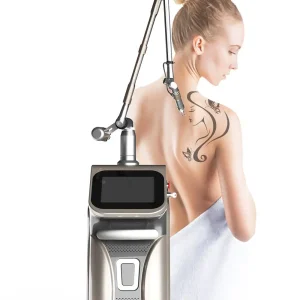
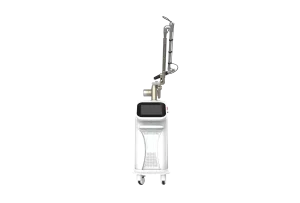
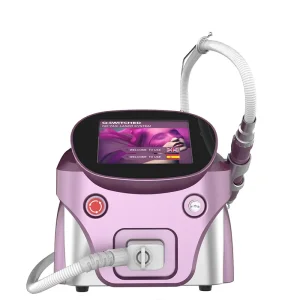
In the rapidly evolving landscape of medical aesthetics, cosmetic dermatology, and plastic surgery, subjective visual consultations are no longer sufficient to drive patient acquisition, retention, and clinical satisfaction. Modern clinical protocols demand objective, reproducible, and multi-spectral baseline data before initiating any energy-based treatment (EBD), chemical peel, micro-needling, or surgical intervention. High-quality facial analysis machines represent the critical technological bridge between visual dermatological consultation and precise clinical outcomes.
As primary search intent queries shift from basic product discovery toward evaluating high-grade hardware, optical depth resolution, and AI engine reliability, finding trusted face analysis machine suppliers and manufacturers becomes an essential strategic priority for distributors, clinic networks, and hospital chains worldwide. This whitepaper provides a comprehensive engineering, regulatory, and commercial blueprint designed to guide B2B buyers through the multi-spectral physics, AI algorithm frameworks, and ROI models underlying state-of-the-art skin analysis machinery.
Professional skin analyzer machines rely on complex optical arrays that capture light-tissue interactions across varying wavelengths. By controlling light polarization and spectral emissions, these systems penetrate different skin layers—from the superficial stratum corneum down to the deep reticular dermis.
Simulates natural daylight to map surface epidermal topographies. Evaluates pore structure, superficial fine lines, macro-wrinkles, rough skin texture, and visible surface hyperpigmentation.
Cancels specular surface glares, revealing sub-surface erythema, micro-vascular telangiectasia, rosacea inflammation, and underlying hemoglobin distribution beneath the epidermal layer.
Excites skin chromophores to highlight porphyrin excretions from Propionibacterium acnes, hidden basal layer melanin deposits, sun damage spots, and sebum hyper-secretion.
| Optical Wavelength / Mode | Target Depth Layer | Primary Clinical Diagnostic Output | Recommended EBD Follow-Up |
|---|---|---|---|
| RGB Surface Spectrum | Stratum Corneum (0.01 – 0.05 mm) | Pore density, roughness, surface rhytids | Hydra-dermabrasion, mild chemical peels |
| Parallel Polarized Light | Epidermal Layer (0.1 – 0.2 mm) | Skin smoothness index, surface reflection analysis | Non-ablative fractional laser, IPL |
| Cross-Polarized Light | Papillary Dermis (0.2 – 0.5 mm) | Hemoglobin mapping, vascularity, acne erythema | Vascular 980nm laser, DPL photo-rejuvenation |
| UV / Wood's Light (365nm) | Basal Layer & Upper Dermis | Deep melanin, porphyrins, dyschromia, UV damage | Picosecond laser, Q-Switched Nd:YAG |
| Deep Sub-surface RBX Imaging | Reticular Dermis (0.5 – 1.2 mm) | Deep collagen loss, elastosis, structural sagging | Fractional CO2 Laser, RF Microneedling |
The global market for professional facial analysis machines is projected to exceed USD 1.8 Billion by 2030, registering a CAGR of over 11.4%. This sustained demand is driven by the rapid expansion of medical spas (MedSpas), plastic surgery centers, commercial skincare chains, and clinical research organizations (CROs).
Leading manufacturers in Eastern Asia (notably specialized industrial clusters in Beijing and Guangdong) have integrated high-resolution industrial cameras (24MP to 36.8MP) with cloud-native Artificial Intelligence (AI) diagnostic engines. B2B importers benefit from direct factory supply chains, offering substantial cost efficiencies compared to legacy Western systems while matching or exceeding optical hardware precision.
Sourcing high-quality facial analysis equipment requires navigating three primary supplier tiers: Tier-1 Component Original Equipment Manufacturers (OEM), Full-Assembly ODM Factories, and Commercial Trading Distributors. Partnering directly with certified OEM/ODM manufacturers ensures access to original SDK access, firmware updates, replacement optical components, and custom branding options.
A stand-alone skin diagnostic machine delivers maximum value when positioned as the central intelligence hub of an aesthetic practice. By pairing diagnostic baseline data directly with targeted therapeutic energy systems, clinics create a closed-loop treatment eco-system: Diagnose → Treat → Measure → Retain.
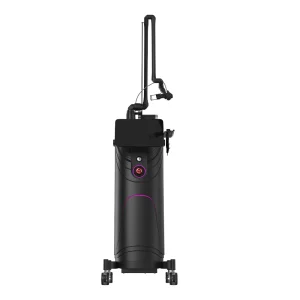
Pre-scanning skin with UV and RGB light maps scarring depth and surface texture. Post-scan quantifies epidermal recovery following Fractional CO2 Laser sessions.
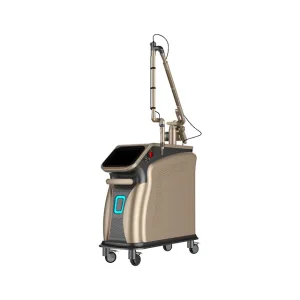
Deep UV fluorescence reveals basal layer chloasma and solar lentigines, allowing practitioners to optimize fluence settings on Picosecond Nd:YAG Lasers.
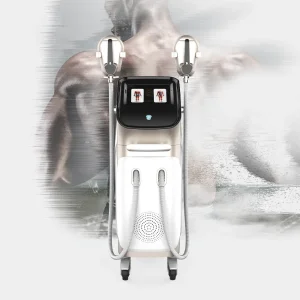
Cross-polarized light maps dermal laxity and rhytids, proving the structural tightening generated over 90 days by RF Microneedling Platforms.
Sub-surface vascular imaging tracks hemoglobin dissipation following targeted treatments with 980nm Vascular Removal Systems or DPL light therapies.
Market requirements for face analysis devices vary significantly based on regional demographics, regulatory hurdles, and localized aesthetic trends:
Focuses heavily on quantifying photo-aging, solar elastosis, and rhytid reduction. Integration with HIPAA-compliant cloud storage and automated marketing software is mandatory for customer acquisition.
Prioritizes CE MDR compliance, data protection (GDPR), and precise tracking of inflammatory dermatoses such as rosacea, actinic keratosis, and severe acne vulgaris.
Demands high-sensitivity UV detectors capable of detecting subtle basal layer melanin changes, melasma distribution, pore minimization, and micro-vascular redness.
When evaluating facial analysis machine suppliers, regulatory certifications and data compliance standards are critical factors determining commercial viability in target markets.
Suppliers must provide certified technical dossiers including IEC 60601-1 (Medical Electrical Safety), IEC 60601-1-2 (Electromagnetic Compatibility), CE Marking under the Medical Devices Regulation (MDR) or Low Voltage Directive (LVD), and RoHS compliance for toxic component elimination.
Modern skin analyzers transmit high-resolution facial images to cloud AI servers for processing. Premier suppliers enforce AES-256 bit end-to-end encryption, anonymized patient metadata indexing, localized data residency options, and compliance with EU GDPR and US HIPAA security frameworks.
Deploying a high-end face diagnostic analyzer is a revenue multiplier, not a cost center. The financial return on investment stems from three core operational metrics:
Visualizing hidden sub-surface UV damage and vascular redness builds instant patient trust. Clinics report a 35% to 60% increase in high-ticket package sales (e.g., combined laser resurfacing + microneedling programs).
Side-by-side "Before & After" multi-spectral comparisons provide irrefutable proof of treatment efficacy, driving repeat package renewals and long-term treatment adherence.
Unlike energy-based treatment handpieces or chemical consumables, facial diagnostic machines incur zero per-scan consumable costs, allowing 95%+ gross profit margins on diagnostic fees.
| Financial Benchmark Parameter | Standard Clinic Baseline | With AI Face Analysis System | Net Financial Impact |
|---|---|---|---|
| Monthly New Consultations | 50 Patients | 50 Patients | Baseline maintained |
| Treatment Package Conversion | 35% (17 Patients) | 65% (32 Patients) | +15 Additional Packages |
| Average Package Sale Value | $1,200 USD | $1,800 USD (Multi-Modality) | +$600 per patient |
| Monthly Treatment Revenue | $20,400 USD | $57,600 USD | +$37,200 USD / Month |
| Estimated Hardware Payback Period | N/A | 1.5 to 3 Months | Rapid capital amortization |
To assist B2B buyers in auditing potential manufacturing partners, our senior engineering team has established a 5-point vendor evaluation matrix:
Verify camera sensor type (industrial CMOS vs consumer DSLR), sensor resolution (minimum 20MP required for clinical detail), distortion-free custom lenses, and shadowless LED lighting arrays calibrated for consistent color temperature (5500K daylight equivalent).
Ensure the machine utilizes a deep-learning Convolutional Neural Network (CNN) trained on diverse clinical skin databases (>1 million annotated clinical samples). Verify skin age prediction accuracy, 3D volumetric skin mapping, and automated PDF report generation.
Inspect chin-rest motorized movement, hood light isolation shielding, anti-glare internal coatings, and durable casing materials (medical-grade ABS or aluminum alloy structures) suitable for high-volume clinic environments.
Confirm factory willingness to supply customized housing colors, software branding, localized language translations, API integration with practice management software (EMR/EHR), and custom diagnostic parameter weighting.
The future of professional face analysis machinery lies in seamless fusion with Artificial Intelligence and real-time treatment tracking:
Transitioning from 2D flat planar analysis to 3D volumetric spatial mapping. Quantifies facial fat pad volume shifts, sub-dermal filler degradation, and structural sagging over multi-year timelines.
Advanced machine learning models simulate 5-year and 10-year facial aging trajectories based on current UV damage, while predicting exact aesthetic results under specific therapeutic interventions.
Direct IoT connectivity between skin analyzers and treatment devices (such as Fractional CO2 or Microneedling RF platforms), automatically setting recommended fluence and pulse width based on skin diagnostic scores.
Expand your clinic offerings with our certified aesthetic devices—engineered for high performance, long operational lifespans, and seamless clinical integration.