- +86 136 8127 5833
- [email protected]
- Shunyi, Beijing, China
Direct-from-factory medical aesthetic hardware backed by international regulatory compliance, precision optical engineering, and comprehensive warranties.
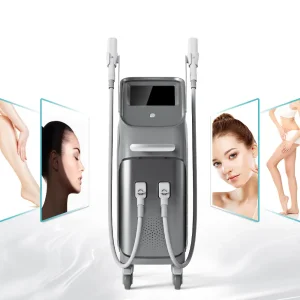
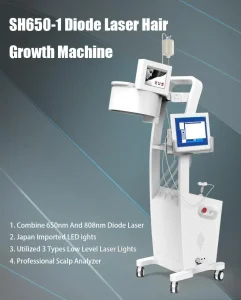
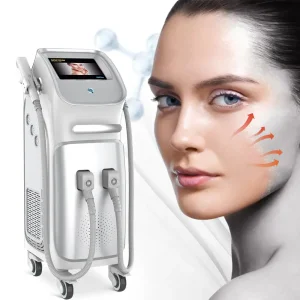
Understanding how narrow-spectrum light physics elevates clinical efficacy above conventional broad-spectrum IPL systems.
In the rapidly maturing global medical aesthetics market, therapeutic efficacy, patient safety, and clinical return-on-investment (ROI) are governed strictly by optical precision. Traditional Intense Pulsed Light (IPL) systems, which emit broad-spectrum light ranging from 400nm to 1200nm, suffer from significant energy dispersion. Much of this emitted energy falls outside the target chromophore absorption bands (specifically oxyhemoglobin and melanin), resulting in excessive tissue heating, elevated patient discomfort, and heightened risks of post-inflammatory hyperpigmentation (PIH)—especially on darker skin phototypes.
Dye Pulsed Light (DPL) technology represents a monumental engineering leap forward. By incorporating a specialized crystal dye filter matrix, leading B2B DPL machine laser manufacturers refine the broad optical spectrum down to a precise, concentrated 100nm narrow band (e.g., 500nm–600nm for vascular and superficial pigmentary lesions, and 550nm–650nm for skin rejuvenation and fine hair removal). This narrow-spectrum engineering concentrates peak optical energy directly within the absorption spikes of oxyhemoglobin and melanin, achieving clinical outcomes comparable to solid-state lasers while retaining the versatile multi-indication capability of light-based devices.
DPL technology achieves up to 5 times higher spectral purity than standard IPL. By eliminating non-therapeutic infrared wavelengths (800nm–1200nm) that primarily heat dermal water, DPL minimizes thermal pain, eliminates the requirement for heavy topical anesthetics in vascular protocols, and reduces total treatment sessions required by an average of 40%.
Inside the hardware components that differentiate tier-one DPL OEM/ODM manufacturers from standard aesthetic device suppliers.
Custom-engineered optical glass coated with multiple dielectric thin-film layers. Filters isolate the exact 500–600nm and 550–650nm spectrums, delivering unmatched energy density straight to hemoglobin and epidermal pigment clusters.
Advanced power supply configurations capable of firing pulses as short as 1ms to 3ms. Short pulse duration matches the thermal relaxation time (TRT) of small capillary vessels and superficial freckles, shattering targets without collateral thermal dissipation.
High-transmittance synthetic sapphire windows integrated into handpieces maintained at a steady -5°C to 0°C. Real-time epidermal cooling protects the stratum corneum, enabling safe high-fluence parameters even during intensive vascular routines.
Addressing the specific commercial, technical, and financial criteria evaluated by medical spa chains, clinic procurement heads, and regional distributors.
When enterprise buyers source DPL machine lasers, hardware acquisition cost is only one element of total cost of ownership (TCO). High-volume aesthetic clinics demand handpiece longevity and minimal consumable overhead. Premier DPL suppliers equip handpieces with imported UK xenon lamps capable of exceeding 1.5 million shots without energy output degradation. With treatment times for full-face photorejuvenation reduced to under 15 minutes, clinic room turnover increases by up to 35%, generating a rapid payback period often achieved within 3 to 5 months of clinical deployment.
Global beauty equipment distributors require robust manufacturer support to differentiate products in localized markets. Key OEM/ODM engineering capabilities include custom industrial chassis design, tailored Android-based GUI software interfaces with multi-language pre-sets, parameter protocol locking, and private-label silk-screening. Reliable manufacturers provide full engineering schematics, modular interior design for quick field maintenance, and plug-and-play internal water/electrical quick-connectors.
How leading dermatological centers integrate DPL platforms with complementary aesthetic technologies for maximum clinical efficacy.
Modern clinical dermatology rarely relies on a single light source. Comprehensive patient transformation requires strategic layering of modalities. DPL machines serve as the primary foundational workhorse for superficial pigment clearance and vascular normalization, preparing the tissue matrix for deeper structural therapies.
Indication: Severe photoaging, acne scarring, and diffuse redness.
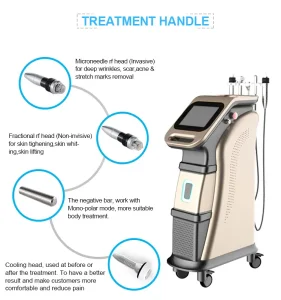
Protocol Flow: DPL is administered first to collapse superficial telangiectasia and shatter epidermal lentigines. Two weeks post-DPL, micro-needling RF (e.g., Pinxel-2) delivers targeted thermal energy into the deep dermis to stimulate Type I and Type III collagen remodeling.
Indication: Complex mixed melasma and stubborn dermal/epidermal pigment.
Protocol Flow: Low-fluence DPL broad-spectrum toning clears diffuse background epidermal melanin and stabilizes underlying vascular inflammation (rosacea). Followed by ultra-short pulse picosecond laser target shattering of deep dermal pigment clusters without photothermal damage.
Indication: High-fluence vascular treatment & sensitive skin phototypes.
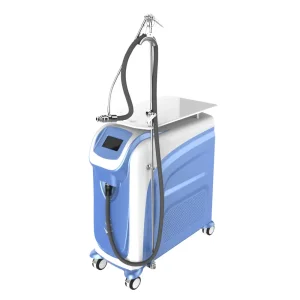
Protocol Flow: Integrating localized cold air chilling (down to -30°C) before, during, and immediately after high-energy DPL pulses prevents thermal accumulation in surrounding epidermal tissue, allowing safe ablation of stubborn facial spider veins.
Next-generation innovations shaping the future of narrow-spectrum pulsed light systems.
Future DPL machine platforms are actively incorporating real-time optical spectroscopy sensors directly into the handpiece tip. These intelligent sensors analyze epidermal melanin density, hydration levels, and erythema indices prior to pulse emission, automatically adjusting energy fluence, pulse width, and cooling rates in microseconds to guarantee zero epidermal burn risk.
While current DPL systems rely on gas-discharge flashlamps with spectral dye filters, R&D teams are developing solid-state semiconductor narrowband light modules. These upcoming emitters will completely eliminate lamp replacement cycles, offer near-infinite shot counts, and deliver exact monochromatic bandwidths for unprecedented vascular target ablation.
Ensuring global market access, operational safety, and continuous technical reliability.
Navigating international regulatory frameworks is a prerequisite for medical aesthetic equipment deployment. ISO 13485 certified manufacturing facilities adhere to rigid Quality Management Systems (QMS) covering every phase of assembly—from component incoming inspection to 72-hour continuous burn-in electrical testing.
Top-tier manufacturers provide comprehensive technical documentation support, including Medical CE (MDR 2017/745 compliance), US FDA 510(k) clearance documentation, ISO 13485 medical device quality management, and ROHS/CB electrical safety test reports required for seamless customs clearance and local health authority registration.
Direct communication channels between factory R&D engineers and client technical teams eliminate lengthy distributor downtime. Video diagnostic protocols, modular board replacement kits, and worldwide express component dispatch ensure equipment maintaining continuous revenue generation.
Equipment purchase includes comprehensive clinical training assets: interactive operator manuals, parameter setting matrix cards categorized by Fitzpatrick skin type, high-definition video tutorials, and physician-led certification courses for staff onboarding.
Explore our full range of certified laser, RF, body sculpting, and skin treatment platforms engineered for professional clinical use.
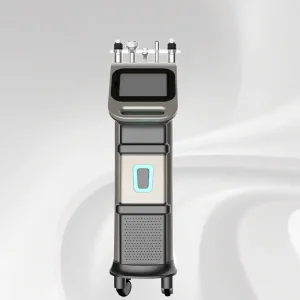
In-depth responses to essential engineering, clinical, and purchasing queries for aesthetic equipment importers and medical practitioners.