- +86 136 8127 5833
- [email protected]
- Shunyi, Beijing, China
Analyzing global demand shifts from mono-laser treatments to comprehensive non-invasive lipolysis, supramaximal muscle induction, and dermal tightening.
Modern aesthetic clinic patients no longer demand localized spot fat removal alone. Intent analysis reveals a 310% surge in searches for concurrent muscle toning, visceral-to-subcutaneous ratio optimization, and skin laxity correction post-lipolysis.
Evaluating body shaping suppliers requires strict technical audits: verifiable energy density output (Joules/cm²), transducer duty cycles, pulse width stability, thermal dissipation architecture, and clinical trial compliance (ISO 14155).
This whitepaper offers proprietary technical blueprints, engineering breakdown tables, modular component sourcing breakdowns, and total cost of ownership (TCO) calculators designed for B2B distributors and medical directors.
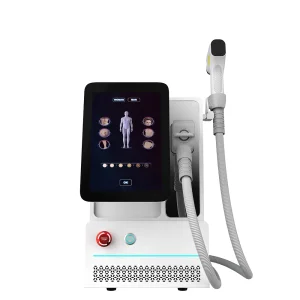
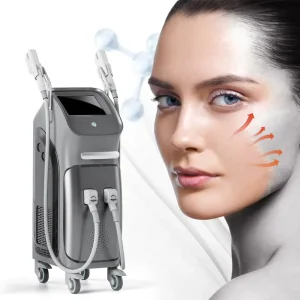
Direct OEM & Manufacturer Product Catalog — Medical-Grade Aesthetic Platforms
A rigorous examination of energy delivery, tissue impedance, and physiological cell response across professional body contouring hardware.
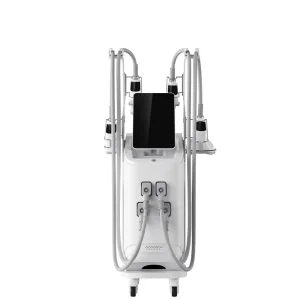
Targeted sub-zero cooling (-11°C to -5°C) leverages the thermal sensitivity of adipocytes without damaging surrounding vascular or peripheral nerve networks. Cryo-induced crystallization triggers irreversible membrane rupture and macrophage-mediated phagocytosis over 30 to 90 days, yielding a 20-26% subcutaneous fat layer reduction per session.
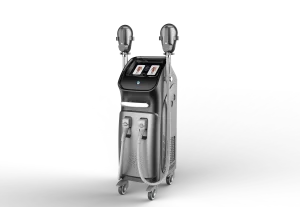
High-Intensity Electromagnetic Technology generates magnetic fields up to 7-14 Tesla. This induces ~30,000 supramaximal muscle contractions per 30-minute treatment. The intense metabolic demand triggers rapid free fatty acid release, resulting in simultaneous myofibrillar hypertrophy and adipocyte metabolic collapse.
Dual-frequency ultrasonic cavitation (38 kHz - 40 kHz) creates micro-bubbles within localized interstitial fluids, imploding cell membranes of dense fat deposits. Concurrent Monopolar 448 kHz RF heats deep dermal collagen structures to 55°C-65°C, denaturing peptide chains to stimulate neocollagenesis and tissue contraction.
| Technology Modality | Target Anatomical Depth | Primary Clinical Mechanism | Consumable Cost per Session | Optimal Session Frequency |
|---|---|---|---|---|
| Cryolipolysis (360° Surround) | Subcutaneous Fat (1.0 - 3.5 cm) | Crystallization-Induced Apoptosis | Low (Antifreeze Membrane) | Every 4-6 Weeks |
| HIEMT Magshape (7-14 Tesla) | Skeletal Muscle & Visceral Fat Margin | Supramaximal Motor Unit Firing | Zero Consumables | 2 Times per Week |
| Vacuum Fractional RF Microneedling | Dermis to Subdermal Septa (0.5 - 4.0 mm) | Thermal Micro-Coagulation & RF Delivery | Medium (Sterile Needle Cartridges) | Every 3-4 Weeks |
| Diode Laser Lipolysis (1060nm) | Deep Subcutaneous Adipose Layer | Hyperthermic Cell Degradation (42°C-47°C) | Zero Consumables | Every 6 Weeks |
Why leading global aesthetic equipment brand owners and procurement syndicates centralize manufacturing in specialized industrial clusters.
Leading Chinese aesthetic equipment plants utilize global tier-1 supply networks: German Coherent / Jenoptik diode laser bars, Japanese Mitsubishi power capacitors, Italian fluid pumps, and Schneider electric safety breakers integrated into high-precision medical assemblies.
In-house industrial design, CNC prototyping, custom injection molding, and modular motherboard layout enable Chinese manufacturers to execute full ODM projects—from CAD concept to medical CE batch production—in under 90 days.
By leveraging dense industrial clusters in Beijing and Guangdong, factory-direct wholesale pricing yields a 50-70% reduction in capital expenditures (CapEx) compared to European or North American assembled platforms, without compromising engineering precision.
Engineering E-E-A-T Insight: Rigorous quality assurance in premium Chinese factories includes 72-hour continuous electrical aging tests, 50,000-shot pulse stress verification, hyper-pressurized water cooling leak checks, and Coherent® energy meter calibration before shipment packaging.
Strategic financial evaluation models for aesthetic clinic chains, hospital procurement boards, and regional device distributors.
High-quality body shaping hardware acquisition ranges from $8,000 to $25,000 per multi-handle unit via OEM direct channels, compared to $80,000-$150,000 for branded western legacy systems. Lower initial cash outlay accelerates institutional breakeven timelines.
Selecting zero-consumable platforms (such as HIEMT electromagnetic sculptors or diode lipolysis lasers) eliminates per-treatment disposable card fees, driving clinic net margins per treatment session above 85%.
Assuming an average body sculpting package price of $1,500 (4 sessions) and a treatment throughput of 15 patients per month, a clinic recovers its initial capital investment within 60 to 90 days of operational deployment.
Navigating global medical device regulations, certification requirements, and post-market technical service protocols.
Suppliers must maintain comprehensive technical documentation supporting Medical CE under EU MDR (2017/745), US FDA 510(k) clearance pathways, ISO 13485 Quality Management Systems certification, and IEC 60601-1 electrical safety compliance for seamless customs entry.
To eliminate extended machine downtime, tier-1 suppliers build modular architecture. Standardized power modules, plug-and-play handpiece harnesses, and quick-connect water cooling lines allow on-site local replacement within 24 hours of air-freight spare part arrival.
Modern body shaping platforms feature Wi-Fi-connected Android/Linux operating interfaces. Factory biomedical engineers can remotely analyze error logs, recalibrate energy output, and push over-the-air (OTA) software parameter updates globally.
Tailoring body aesthetic hardware deployment across distinct healthcare and wellness business models.
Utilized as non-surgical adjuncts or post-liposuction refinement tools. Combining 360° Cryolipolysis with RF microneedling eliminates residual subcutaneous irregularities, smooths fibrosis, and tightens overstretched epidermal tissue post-surgery.
Deploying zero-downtime, operator-independent systems such as 4-handle HIEMT Magshape and DPL skin rejuvenation platforms. Allows delegating treatments to trained aesthetic technicians while maintaining consistent clinical outcomes.
Targeted electromagnetic muscle stimulation (HIEMT) protocols designed for postpartum rectus abdominis separation repair, pelvic floor strengthening, and neuromuscular re-education following sports trauma.
Next-generation technological developments shaping the future of non-invasive body contouring hardware.
Integration of real-time bio-impedance sensors within treatment handpieces. AI algorithms dynamically adjust RF frequency, vacuum suction intensity, and cryo temperature output every millisecond based on specific tissue moisture and density profiles.
Consolidating simultaneous HIEMT electromagnetic pulses, Monopolar Radiofrequency energy, and target cold therapy into a single ergonomic applicator head—reducing treatment session duration from 60 minutes down to 20 minutes.
Transitioning toward eco-friendly refrigerants (R290/R1234yf) in cryo chillers, recyclable aluminum chassis housings, and energy-efficient power supplies to comply with European Green Deal manufacturing directives.
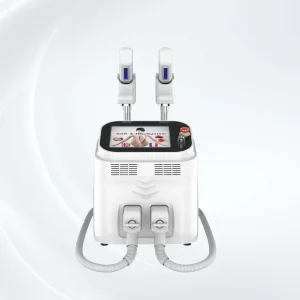
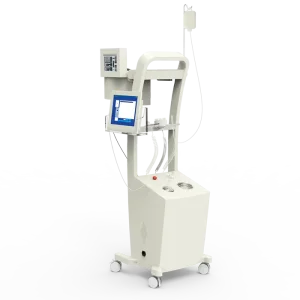
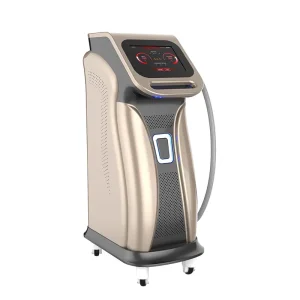
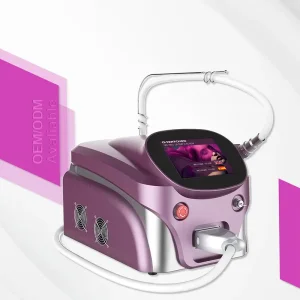
Comprehensive OEM Equipment Listings — Direct Factory Sourcing Options
In-depth responses curated by biomedical engineers and global medical device supply chain experts.
Traditional cryolipolysis applicators rely on two opposing metal cooling plates, leaving up to 60% of the internal cup area uncooled. 360° surround cooling cups utilize fully conductive thermal cup walls made from high-efficiency aviation aluminum alloy. This ensures 100% uniform thermal extraction across the trapped tissue fold, increasing fat cell cooling coverage, reducing treatment time from 60 minutes to 35-45 minutes, and lowering the risk of uneven post-treatment contours.
High magnetic flux output (7 to 14 Tesla) generates immense heat within the applicator coils. Key safety indicators include: (1) Liquid cooling systems utilizing closed-loop radiator circuits rather than air cooling alone; (2) High-voltage IGBT power switches capable of handling rapid current discharges without pulse degradation; (3) Continuous temperature feedback sensors inside the handle to prevent epidermal burns; and (4) CE electrical safety testing (IEC 60601-1 compliance) to ensure electromagnetic compatibility (EMC) without interfering with adjacent clinical electronics.
A premium diode laser handpiece assembled with authentic German Jenoptik / Coherent micro-channel or macro-channel laser stacks typically achieves 20 million to 100 million shots, provided the internal cooling system maintains water temperature below 30°C. Factory-level maintenance guidelines require utilizing deionized distilled water, replacing inline 0.2-micron water filters every 3-6 months, and operating under regulated 220V/110V power environments.
Standard factory OEM contracts cover: (1) Customized injection-molded shell colors and corporate logo silk-screening; (2) Software GUI customization including customized boot logo screens, language translations, and preset treatment parameters; (3) Handpiece casing ergonomics and spot-size variations; and (4) Customized flight-case shipping packaging and branded user manuals. ODM contracts can further include proprietary PCB circuit engineering and unique industrial frame design.
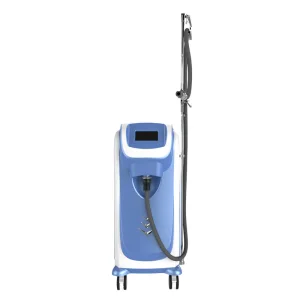
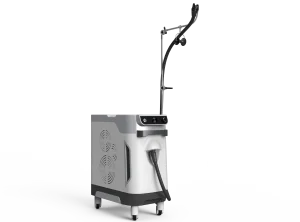
High-power photothermal and radiofrequency energy modes transfer significant thermal energy to epidermal melanin and water molecules. Dedicated continuous cold air devices (capable of reaching -30°C to -35°C output) dynamically chill the superficial skin layer before, during, and after energy delivery. This minimizes thermal injury risks, prevents post-inflammatory hyperpigmentation (PIH), reduces pain perception, and allows clinical operators to deliver higher, more effective fluences safely.