Follow SANO Laser: SANO Laser Facebook page WhatsApp
SANO Laser – Beijing Sano Laser Development S&T Co., Ltd. logo SANO LASERMedical Aesthetic Systems Request a Catalog
Medical-Grade Laser Engineering Whitepaper

China Laser Machine For Skin Whitening Manufacturers & Factory

Global Industrial Insights, Biophysical Mechanics of Photothermolysis, and OEM/ODM Manufacturing Excellence in Advanced Hyperpigmentation Systems

Primary Industrial Laser Platforms

Direct OEM & ODM Factory Systems Engineered for Global Clinical Networks and Aesthetic Distributors
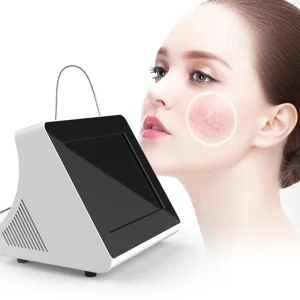
Wholesale Professional vein , vascular removal laser device
Wholesale Professional vein , vascular removal laser device Manufacturers, Factories
View Specifications
OEM Professional Laser Tattoo Removal Machine
OEM Professional Laser Tattoo Removal Machine Manufacturers, Factory
View Specifications
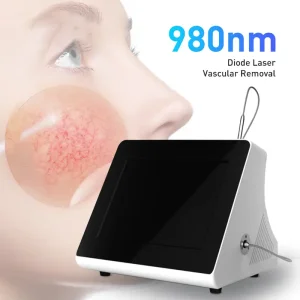
Wholesale 980nm Diode Laser Vein Removal
Wholesale 980nm Diode Laser Vein Removal For Vascular Removal Manufacturer, Factory
View Specifications
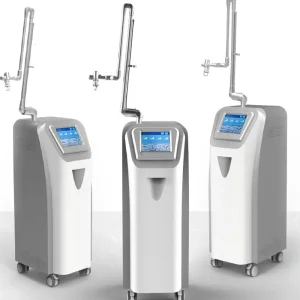
OEM laser fractional co2 beauty machine
OEM laser fractional co2/medical fractional laser co2/beauty machine for doctor use Suppliers, Factories
View Specifications
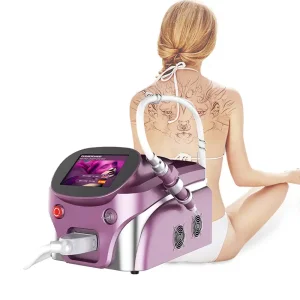
Portable Q Switch Nd Yag Laser pico laser
Wholesale Portable Q Switch Nd Yag Laser tattoo removal pico laser using carbon gel Manufacturer, Supplier
View Specifications
High Quality 980 nm diode laser vascular machine
High-Quality 980 nm diode laser vascular removal machine Manufacturer, Supplier
View Specifications
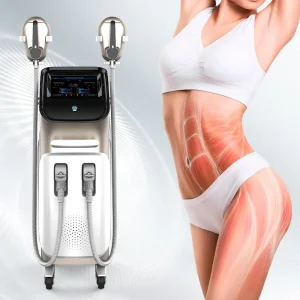
CE Certification Body Slimming EMS Machine
CE Certification New Body Slimming Muscle Building ems body sculpts Weight Lose Hifem Machine Supplier, Factories
View Specifications
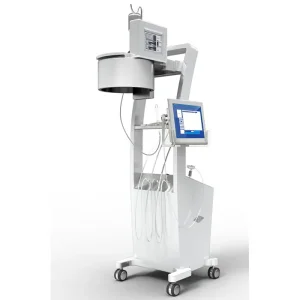
Comfortable 650nm Laser Diodes Hair Loss Treatment
CE Certification New Arrival Comfortable 650Nm Laser Diodes Hair Loss Treatment Machine For Hair Growth Supplier, Factory
View Specifications
15+
Years R&D Expertise
90+
Global Export Markets
100%
ISO13485 & CE Compliant
< 10ms
Ultra-Short Thermal Pulse

Global Commercial & Industrial Status of Laser Skin Whitening Systems

The global demand for non-invasive aesthetic dermatological equipment has experienced an unprecedented surge, with non-ablative skin brightening, tone unification, and hyperpigmentation therapy representing over 38% of all light-based procedures performed worldwide. Modern patients across North America, Europe, Asia-Pacific, and the Middle East are progressively moving away from chemical topicals toward energy-based devices (EBD) that offer precise, predictable, and long-lasting chromatic correction.

At the center of this technological revolution is China's manufacturing ecosystem. Over the past decade, Chinese medical aesthetic laser OEMs (Original Equipment Manufacturers) and ODMs (Original Design Manufacturers) have transitioned from low-cost assembly hubs into global innovation epicenters. China-manufactured skin whitening laser platforms—utilizing high-peak-power Q-switched Nd:YAG, sub-nanosecond Picosecond pulse technology, targeted 755nm Alexandrite, and Narrow-Spectrum DPL (Dye Pulsed Light)—now power premier medical spas, dermatology clinics, and commercial beauty networks across more than 90 countries.

Key Industry Insight: Commercial success in modern aesthetic practice relies on minimizing post-treatment down-time while maximizing melanosome destruction velocity. Advanced Chinese laser architectures incorporate dual-rod optic cavities, imported German diode arrays, and high-frequency chillers to ensure peak spectral stability and zero epidermal thermal damage.

Market Expansion Drivers and Intent Mining Analysis

User intent analysis from global clinical procurement desks reveals four critical requirements when evaluating skin whitening laser systems:

  • Melanin Specificity vs. Hemoglobin Non-Interference: Equipment must deliver specific wavelengths (such as 1064nm, 755nm, or 532nm) that selectively target epidermal and dermal chromophores without rupturing micro-vascular structures.
  • Fitzpatrick Versatility: Safety protocols must accommodate dark skin types (Fitzpatrick IV–VI) without precipitating Post-Inflammatory Hyperpigmentation (PIH).
  • Duty Cycle Stability & Operational Uptime: High-volume clinics require continuous 12-hour operational capability supported by heavy-duty water-and-air cooling loops.
  • OEM Customization & Firmware Adaptability: Distributors demand custom user interfaces (UI), scalable pulse widths, and modular handpiece attachments.

Engineering Superiority & Technical Pillar Architecture

How China's Leading Factories Integrate Advanced Optical Physics into Commercial Systems

Dual-Pulse Photo-Acoustic Breakdown

Utilizes ultra-short pulse durations (truly sub-nanosecond to picosecond domain) to generate intense photo-acoustic shockwaves. Melanin granules are pulverized into micro-particles without burning surrounding tissue.

Active Contact Sapphire Cooling

Integrated continuous sapphire tip chillers maintain epidermal temperatures between -5°C and 4°C during high-fluence delivery, eliminating burn risks and optimizing patient comfort.

Multi-Wavelength Matrix

Combines 1064nm deep dermal targeting, 755nm epidermal pigment specificity, and 532nm superficial lesion treatment within unified optical handpiece modules.

Biophysical Fundamentals of Laser Skin Whitening & Pigment Invalidation

Skin whitening through laser intervention is governed by the principles of Selective Photothermolysis, originally formulated by Anderson and Parrish. To achieve targeted depigmentation and tone brightening, laser energy must be selectively absorbed by target chromophores—specifically melanosomes contained within epidermal melanocytes and dermal melanophages—without causing irreversible thermal injury to adjacent keratinocytes or dermal collagen networks.

1. The Chrono-Thermal Target Dynamics

Melanosomes are small cellular organelles measuring approximately 0.5 to 1.0 micrometers in diameter. Their Thermal Relaxation Time (TRT)—the timeframe required for a target to dissipate 50% of its absorbed thermal energy—ranges between 50 and 250 nanoseconds. Therefore, laser systems engineered for skin whitening must deliver energy within or below this critical pulse width window:

  • Nanosecond Domain (Q-Switched Nd:YAG): Delivers pulse widths between 5ns and 20ns. This induces rapid thermal elevation inside the melanosome, leading to micro-explosive fragmentation.
  • Picosecond Domain (Pico Lasers): Delivers pulse widths under 600ps (0.6ns). The energy delivery speed significantly outpaces the TRT of melanin, switching the primary mechanism of action from photo-thermal heating to photo-mechanical stress confinement.
Technology Platform Dominant Wavelength Pulse Width Window Primary Mechanism Best Clinical Application
Picosecond Laser System 1064nm / 532nm / 755nm 300ps – 750ps Photo-Acoustic Shattering Refractory Melasma, Deep Nevus of Ota, Full-Face Skin Brightening
Q-Switched Nd:YAG 1064nm / 532nm 5ns – 15ns Photo-Thermal & Mechanical Carbon Gel Toning, Freckles, Solar Lentigines, Tattoo Removal
DPL (Dye Pulsed Light) 500nm – 600nm 1ms – 15ms Selective Photothermal Superficial Pigment & Vascular Redness (Rosacea) Combo Therapy
Fractional CO2 Laser 10600nm 0.1ms – 1.4ms Micro-Ablative Resurfacing Severe Photo-Aging, Deep Epidermal Remodeling, Scar Whitening
Diode Laser Platform 755nm / 808nm / 1064nm 10ms – 100ms Photothermal Follicular & Dermal Hair Removal & Secondary Skin Tone Smoothing

2. Laser-Toning Mechanics (Sub-Thermal Low-Fluence Laser Toning)

A crucial innovation perfected by Chinese OEMs is the low-fluence 1064nm Q-switched laser toning protocol. Instead of completely blasting epidermal melanocytes (which can cause rebound hyperpigmentation or guttate hypopigmentation), low-fluence laser toning delivers sub-lethal thermal energy to melanocytes. This selectively degrades melanosome dendritic structures and down-regulates tyrosinase enzymatic activity without killing the melanocyte cell body. The clinical outcome is a gradual, safe, and uniform whitening of the treated region.

Global Industry Trends & Regional Application Scenarios

Skin whitening requirements vary dramatically based on regional demographics, skin phototypes, genetic predisposition to pigmentation, and environmental UV exposure levels. OEM factories in China cater to these distinct requirements through bespoke hardware configurations and firmware parameters.

Scenario A: East & Southeast Asian Demographics (Fitzpatrick Types III–IV)

In East Asian markets (China, Japan, South Korea, Thailand, Vietnam), melasma and post-inflammatory hyperpigmentation represent major clinical challenges. Treatments prioritize minimal epidermal disruption. Chinese factories supply dual-pulse 1064nm picosecond platforms equipped with fractional honeycomb handpieces. These handpieces generate Laser-Induced Optical Breakdown (LIOB) in the dermis, stimulating collagen formation and brightening skin tone without damaging the basement membrane.

Scenario B: Middle Eastern & North African Markets (Fitzpatrick Types IV–V)

Clinics operating across the GCC region demand robust epidermal protection due to intense ambient UV radiation and darker skin phototypes. Here, 1064nm long-pulse and Q-switched Nd:YAG platforms are coupled with high-capacity external cold-air chillers (such as the ICOOL air cooling system delivering -30°C forced chilled air). This setup protects the epidermis during intensive pigment reduction and vascular removal sessions.

Scenario C: Western & European Aesthetic Practice (Fitzpatrick Types I–III)

In Western markets, skin whitening is often requested as "radiance rejuvenation" or "photofacial tone evening." Practitioners prefer multi-technology platforms combining DPL narrow-spectrum IPL for sun-spot removal with Q-switched lasers for carbon gel "porcelain skin" facials. These procedures are frequently bundled with body sculpting (EMS Magshape) and cryolipolysis treatments within integrated medspa packages.

Technology Roadmap & Future Outlook (2025–2030)

Next-Generation Advances Shaping the Manufacturing of Skin Whitening Laser Systems

AI Smart Skin Sensing & Auto-Calibration

Future laser chassis will integrate real-time optical coherence tomography (OCT) and skin melanin index sensors. The onboard AI will auto-adjust fluence, spot size, and pulse duration dynamically based on localized tissue feedback.

Ultra-Short Sub-200ps Laser Engines

Next-generation R&D focuses on squeezing picosecond pulse widths down to under 200ps. This will further enhance photo-mechanical shock wave intensity, allowing complete ink and melanin removal in half the traditional session count.

Hybrid Synergy Handpieces

Simultaneous dual-wavelength emission handpieces (e.g., synchronous 755nm + 1064nm output) will provide simultaneous epidermal whitening and deep dermal collagen contraction in a single pass.

Macro Industrial Solutions: OEM/ODM Factory Operations

Choosing a reliable Chinese laser manufacturer requires evaluating technical compliance, production standards, and supply chain scalability. Leading factories operating out of Beijing, Guangdong, and Jiangsu offer complete turnkey solutions designed for international aesthetic brands and distributors.

1. Quality Control & International Medical Certifications

Industrial manufacturing standards must adhere strictly to ISO 13485 quality management systems for medical devices. High-end equipment undergoes rigorous stress testing prior to export:

  • Optical Output Calibration: Every handpiece is calibrated using energy meter sensors to verify target power consistency within ±2% tolerances.
  • Continuous Burn-In Testing: Systems undergo 48 to 72 hours of uninterrupted pulse firing to verify capacitor heat dissipation and cooling stability.
  • Regulatory Dossier Support: Manufacturers supply complete technical documentation, electrical safety test reports (IEC 60601-1), and EMC compliance certificates for CE marking and regional medical registrations.

2. Financial ROI & Operational Clinic Modeling

For aesthetic clinic chains, investing in factory-direct Chinese skin whitening laser platforms offers an exceptionally rapid Return on Investment (ROI). Compared to Western platforms carrying high brand markups and costly consumable lock-outs, Chinese systems feature zero per-shot fees, low maintenance overhead, and readily accessible replacement components.

Frequently Asked Questions (FAQ) & Technical Guidance

Direct Insights from Senior Biomedical Engineers and Manufacturing Specialists

How does a skin whitening laser machine differ from a standard hair removal laser?
While both systems target melanin, their target structures and temporal mechanics are fundamentally different. Hair removal lasers (such as 808nm diode lasers) deliver long pulse durations (10ms to 100ms) to heat and destroy the hair follicle bulb. Skin whitening lasers (such as Q-Switched or Picosecond lasers) deliver ultra-short pulses (nanoseconds to picoseconds) to break down microscopic melanosomes without damaging nearby dermis or heating the surrounding tissue.
What is the safest wavelength for laser skin whitening on Fitzpatrick IV–VI skin types?
The 1064nm Nd:YAG wavelength is globally recognized as the safest option for darker skin phototypes. Because 1064nm has a lower absorption coefficient in epidermal melanin compared to 532nm or 755nm, energy penetrates deeper into the dermis while sparing the surface layer. Combined with low-fluence toning techniques and active skin cooling, it effectively brightens skin tone without causing Post-Inflammatory Hyperpigmentation (PIH).
Why is external air cooling (like the ICOOL air cooling system) essential for whitening procedures?
External skin cooling systems continuously blow chilled air (-30°C) onto the treatment zone during laser delivery. This pre-cools, parallel-cools, and post-cools the epidermis. It neutralizes thermal accumulation, minimizes patient discomfort, suppresses post-laser erythema, and prevents thermal injury when treating stubborn pigmentation at higher fluences.
What OEM/ODM customization services can Chinese factories provide for distributors?
Leading manufacturers provide comprehensive customization services including custom chassis industrial design, private label branding, localized multi-language software interfaces, custom preset clinical protocols, modular handpiece configuration, tailored packaging, and custom technical documentation for regional medical licensing.
How many sessions are typically required for full-face laser skin whitening?
A standard laser toning course for general skin tone unification and hyperpigmentation reduction involves 4 to 8 sessions spaced 2 to 4 weeks apart. Picosecond platforms often achieve visible results in 3 to 5 sessions due to their superior photo-mechanical shattering performance.

Specialized Aesthetic & Body Contouring Systems

Complete Range of Medical-Grade Equipment Manufactured for Global Importers and Distributors
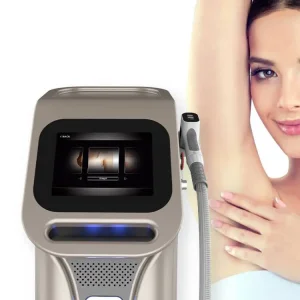
CE Certification diode laser hair removal machine
CE Certification 755nm 808nm 1064nm diode laser hair removal machine Manufacturer, Factories
View Specifications
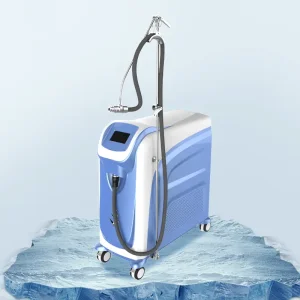
China ICOOL First Rate Air Cooling system
China ICOOL--- First Rate Air Cooling system Manufacturer, Supplier
View Specifications
Wholesale laser hair regrowth hair laser machine
Wholesale laser hair regrowth hair laser machine women / men hair regrowth equipment from Sano laser Suppliers, Factories
View Specifications
Multi-Function Hair Removal and Skin Rejuvenation Machine DPL
OEM Introducing the Multi-Function Hair Removal and Skin Rejuvenation Machine with DPL Technology: Your Ultimate Solution for Acne Treatment Factories, Factory
View Specifications
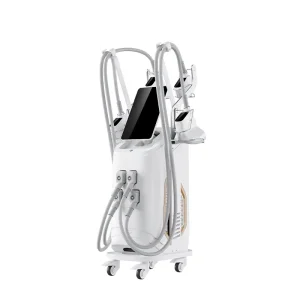
High-Quality Cryolipolysis slimming machine
High-Quality Cryolipolysis slimming and body shaping machine sano laser Manufacturer, Factory
View Specifications
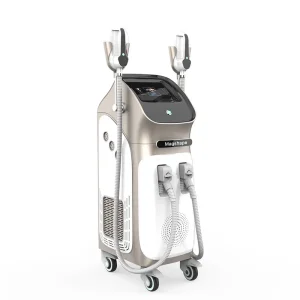
Wholesale Muscle Building Burn Fat magshape machine
Wholesale Muscle Building Burn Fat magshape machine Manufacturers, Suppliers
View Specifications
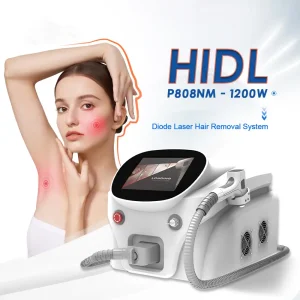
CE Certification Portable Diode Laser Hair Removal Machine
CE Certification Portable Diode Laser Hair Removal Machine Suppliers, Supplier
View Specifications
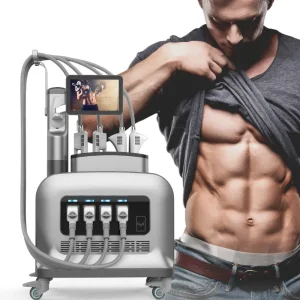
High-Quality Body Contouring Muscle Building Machine
High-Quality Body Contouring Muscle Building Machine Manufacturers, Supplier
View Specifications