- +86 136 8127 5833
- [email protected]
- Shunyi, Beijing, China
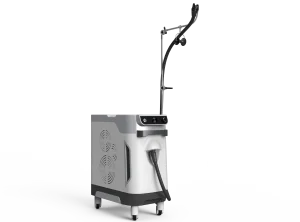
Explore our industrial factory production lines engineered in Beijing, providing dermatological facilities and international distributors with medical-grade laser platforms and matched cold-air cooling technologies.
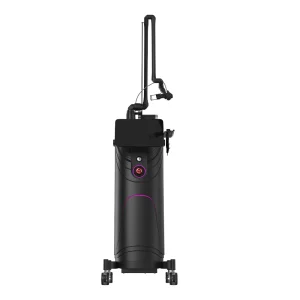
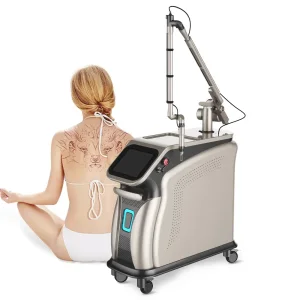
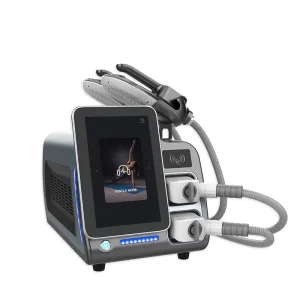
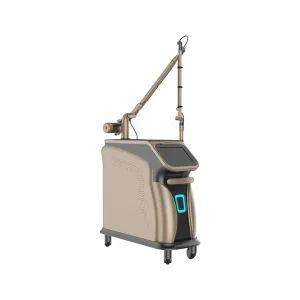
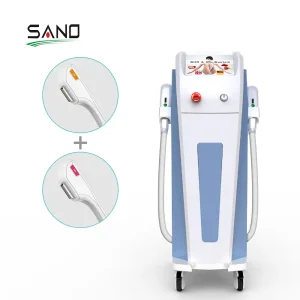
The global medical aesthetic equipment landscape is undergoing a structural paradigm shift toward ultra-safe, high-fluence therapeutic protocols. High-energy laser interventions—encompassing Ablative CO2 Fractional Resurfacing, 808nm/755nm/1064nm Diode Hair Reduction, and Picosecond Photo-Acoustic Pigment Clearance—generate substantial thermal kinetic energy within dermal structures. Without active, continuous epidermal cooling, high fluences risk inducing thermal injury, post-inflammatory hyperpigmentation (PIH), dyschromia, and prolonged erythema.
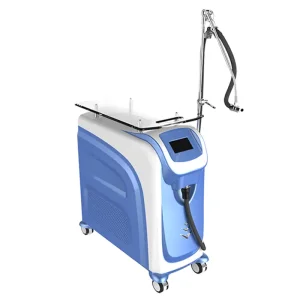
While historic approaches relied on contact sapphire tips, cryogen dynamic cooling sprays (DCD), or static ice packs, the commercial sector has heavily transitioned to continuous forced-air cryogenic systems. Unlike contact cooling—which can be compromised by uneven handpiece pressure—or liquid cryogen sprays, which introduce recurring operating costs and thermal shock risks, advanced forced-air cooling systems deliver sub-zero air (-30°C to -38°C) continuously before, during, and after laser pulse delivery.
Over 82% of premium medical spas and laser dermatology centers globally utilize dedicated forced-air cooling units to maximize patient comfort without dampening laser beam energy delivery.
Eliminating recurring expenditure on R134a/R134 canisters or specialized gel interfaces allows practice owners to achieve full capital payback within 4 to 6 months of operational deployment.
Continuous thermal distraction via cold air at high velocity stimulates A-beta nerve fibers, effectively blocking pain signaling pathways according to the Gate Control Theory of Pain.
China's aesthetic device manufacturing ecosystem—centered in technological hubs like Beijing—has matured from simple assembly into sophisticated R&D engineering. The core innovation trajectory for cold air skin cooling machines for laser treatment focuses on three critical pillars: thermal output precision, air compression efficiency, and ergonomic system pairing.
| Performance Dimension | Legacy Contact / Spray Cooling | 1st Gen Forced-Air Coolers | Next-Gen Chinese OEM Cryo Systems |
|---|---|---|---|
| Operating Temperature | 0°C to +4°C (Contact Sapphire) | -15°C to -20°C | -30°C to -38°C (Adjustable 9 Speeds) |
| Air Flow Volume | N/A (Passive/Static Contact) | 500 - 800 L/min | Up to 1,500 L/min Continuous Flow |
| Consumable Requirements | High (Cryogen canisters, coupling gels) | Low (Basic filter swaps) | Zero Consumables (Self-Defrosting Closed Loop) |
| Laser Handpiece Integration | Bulky attached contacts | Independent manual hose holding | Custom Hands-Free Hands-Lock Connectors |
| Dehumidification System | None | Manual water tank drainage | Automated Thermal Vapor Evaporation |
As laser fluences increase to achieve faster clearance times for recalcitrant ink, deep acne scarring, and stubborn vascular lesions, cold air cooling systems must evolve synchronously. Frontline factories in China are advancing along a strict engineering development roadmap:
Integration of medical-grade German and Japanese imported compressors featuring inverter technology. This ensures fast pull-down times (reaching -30°C in under 4 minutes from cold boot) while reducing electrical noise levels below 58 dB in quiet clinical environments.
Future iterations embed miniaturized thermal imaging or infrared sensors directly into the air cooling nozzle. The system automatically modulates air velocity and temperature based on target skin surface temperature feedback, preventing frostbite while guaranteeing thermal protection.
To comply with stringent surgical and medical cleanroom standards, future skin cooling devices filter ambient air through dual HEPA H14 filtration and inline UVC sterilization chambers prior to chilling, ensuring sub-zero air delivered to ablated skin is completely sterile.
Software protocols allowing the air cooling system to communicate directly via CAN-bus with the host laser device. Cooling rates auto-adjust synchronously whenever the practitioner toggles energy settings on the main laser console.
A continuous cold air skin cooling machine operates as a force multiplier across multiple therapeutic aesthetic categories. Below is a macro overview of how Chinese manufacturing solutions integrate with core aesthetic modalities:
During ablative CO2 laser skin resurfacing, thermal dissipation is paramount. Cold air applied at -30°C quickly quenches residual epidermal heat, lowering thermal recovery times from 7 days to 3 days while preventing hyperpigmentation in darker Fitzpatrick skin types.
High-speed hair reduction utilizing 808nm or triple-wavelength diodes requires fast gliding over wide surface areas (legs, back). Continuous cold air creates an anesthetic layer over the skin, allowing clinicians to run high fluences (up to 40J/cm²) comfortably.
Picosecond lasers deliver photo-acoustic shockwaves. The high peak power generates localized micro-explosions within melanin granules. Pre-cooling the treatment zone restricts superficial edema and blunts acute pain signals prior to spot execution.
For 980nm vascular spider vein treatments and invasive RF microneedling, skin air cooling suppresses surface vessel dilation, reduces immediate purpura, and stabilizes the epidermis before needle penetration.
Deploying skin cooling technology requires strict adherence to localized climate conditions, electrical grid infrastructure, and regional regulatory compliance frameworks across major global destinations:
Requires 110V/60Hz high-current power transformer design, NEMA power cable standards, and UL 60601-1 electrical medical safety certification. Demands low operational noise for luxury urban medspas.
Requires strict compliance with Medical Device Regulation (MDR) frameworks, RoHS hazardous substance restrictions, and 230V/50Hz power setups. High emphasis on eco-friendly refrigerants (R290 / R404a).
Operating in high ambient room temperatures (up to 40°C in GCC countries) necessitates heavy-duty dual-condenser heat exchangers to prevent compressor thermal overload and maintain sub-zero output.
As a leading industrial manufacturer established in Beijing, China, Beijing Sano Laser Development S&T Co., Ltd. bridges cutting-edge biomedical engineering with cost-efficient scalability. Sano Laser's manufacturing environment adheres strictly to ISO13485 quality management systems, ensuring that every cold air skin cooling machine for laser treatment leaves the factory assembly line fully tested and calibrated.
Our OEM/ODM capabilities encompass custom chassis design, proprietary software UI branding, custom dual-hose adapters, and tailored refrigeration cycles built to withstand continuous 12-hour clinic operational duty cycles. By controlling the entire manufacturing chain—from sheet metal bending and internal piping insulation to compressor calibration and micro-controller programming—we supply international distributors with robust medical platforms at factory-direct price points.
Direct technical guidance provided by our senior refrigeration engineers and clinical OEM specialists to address common procurement and operational inquiries.
Built-in contact cooling (such as sapphire tips) only cools the skin directly beneath the handpiece crystal while in flat contact. Continuous cold air cools the treatment area pre-pulse, during laser fire, and post-pulse across wider treated zones. Furthermore, cold air does not compress the skin, preserving target vascular geometry during vascular laser treatments, and eliminates gel mess completely.
For high-fluence laser hair removal, an air output temperature between -20°C and -30°C at speed level 4-6 delivers an ideal balance between epidermal protection and patient comfort. For aggressive ablative CO2 fractional resurfacing or deep spot tattoo removal, max setting (-30°C to -38°C at speed level 8-9) is recommended to instantly dissipate thermal heat accumulation.
Sano Laser's cold air machines feature an intelligent auto-defrost system and an internal vapor-heating condensation evaporator. Frost accumulation on internal cooling coils is automatically managed by closed-loop thermal sensors, converting ice melt to vapor without requiring manual water tray emptying during busy clinic hours.
Maintenance is minimal because the system uses a closed-loop refrigeration cycle. Clinics only need to clean or replace the air intake dust filter monthly to ensure unrestricted air displacement. There are no expensive consumables, gas canisters, or water refills required.
Yes, factory OEM/ODM services include custom hands-free adapter clips engineered to mount onto standard laser handpieces (including 808nm diode handles, picosecond arms, and CO2 scanners), allowing single-operator clinical workflows.
Explore our full range of medical devices, body contouring systems, vascular lasers, and cryogenic solutions manufactured directly in our factory.