- +86 136 8127 5833
- [email protected]
- Shunyi, Beijing, China
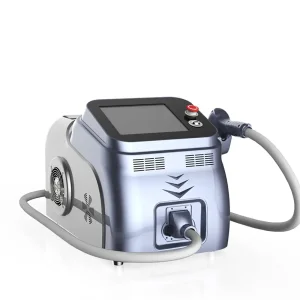
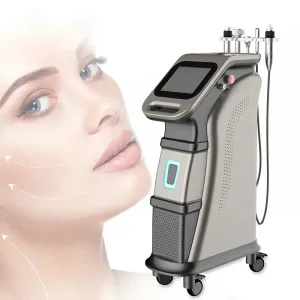
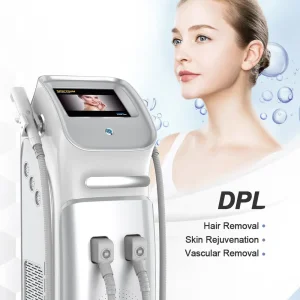
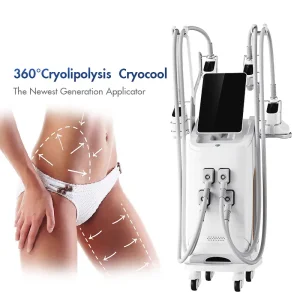
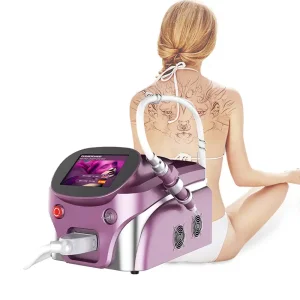
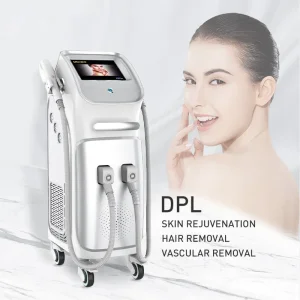
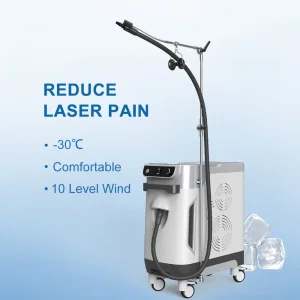
Understanding how sub-zero continuous cold air preserves skin integrity during high-fluence photothermal procedures.
In modern dermatological surgery and energy-based aesthetic procedures, maintaining targeted therapeutic fluence while guarding against thermal injury to non-target tissue is the primary clinical challenge. Photothermal modalities—including high-output 808nm diode lasers, Q-switched Nd:YAG picosecond systems, fractional CO2 skin resurfacing, and intense pulsed light (IPL/DPL)—rely on selective photothermolysis. However, rapid heat diffusion from chromophores into the surrounding basal layer often risks epidermal thermal burns, post-inflammatory hyperpigmentation (PIH), dyschromia, and severe patient discomfort.
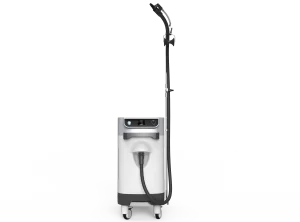
As a premier CE Certification Air Cooling Machine Manufacturer & Factory, our clinical engineering team designs dynamic cold air delivery platforms that solve the fundamental thermodynamic trade-off between energy delivery and epidermal safety. Unlike contact cooling (sapphire tips) or cryogen dynamic cooling sprays (DCD), continuous forced-air cooling systems deliver sub-zero chilled air (-30°C to -45°C) across the entire treatment field prior to, during, and immediately following laser pulse emission.
E-E-A-T Technical Insight: Forced chilled-air cooling operates via high-velocity convective thermal transference. By maintaining a constant airflow velocity up to 1500 L/min, the thermal boundary layer of the human skin is rapidly disrupted, dissipating surface thermal kinetic energy 4.8 times faster than ambient air convection without interfering with deep dermal target heating.
Superficial skin pre-cooling lowers epidermal base temperature from 33°C to approximately 15°C within seconds. This creates a larger thermal buffer zone before laser pulse discharge, allowing clinicians to safely increase treatment energy density by up to 35%.
Continuous airflow during laser energy deposition neutralizes back-scattered radiant heat. Because air does not refract laser light, the laser beam penetrates to the target pigment or follicle with zero photon attenuation, unlike gel or contact plates.
Sustained post-exposure cooling rapidly quenches residual dermal heat accumulation. This temporary nerve conduction suppression (gate control theory of pain) provides instant analgesia, eliminating the need for topical anesthetic creams in over 80% of routine cases.
Why leading global aesthetic equipment distributors partner with top-tier Chinese original manufacturers.
Over the past decade, China has evolved into the world's primary innovation hub and manufacturing powerhouse for advanced medical aesthetic equipment. As an established China OEM skin cooler machine factory based in high-tech industrial hubs, our manufacturing ecosystem combines cutting-edge refrigeration engineering, precision component sourcing, and rigorous international compliance frameworks.
| Performance / Spec Metric | China OEM Factory Standard (SANO) | Traditional European Brands | Basic Low-Tier Alternatives |
|---|---|---|---|
| Lowest Output Air Temp | -35°C to -45°C (Ultra-Fast Chill) | -30°C to -40°C | -10°C to -15°C (Unstable) |
| Airflow Rate (Speed Control) | Up to 1500 L/min (10 Stepless Levels) | Up to 1000 L/min (3 to 5 Levels) | Fixed Blower (< 500 L/min) |
| Compressor Architecture | Imported High-Torque / Variable Frequency | Standard Industrial Compressor | Low-power Commercial Reciprocating |
| Internal Defrosting Mechanism | Automatic Smart Hot-Gas Bypass Defrost | Manual Shutdown Defrost Required | No Defrosting (Frequent Ice Clogs) |
| Hose & Arm System | 360° Articulated Hands-Free Support Arm | Basic Flexible Tube (Extra Cost Option) | Rigid Plastic Hose Only |
| Regulatory Compliance | Medical CE, ISO 13485, ROHS Compliant | Medical CE, US FDA | Basic LVD / Non-Medical CE |
Adapting epidermal cooling systems to meet evolving non-invasive aesthetic protocols.
The global aesthetic market is undergoing a rapid transition toward non-invasive, zero-downtime, high-energy treatments. Patient expectations for comfort have escalated sharply; procedures that cause significant pain or require long recovery windows are increasingly rejected by consumers. Consequently, cold air thermal management is no longer considered an optional luxury accessory—it has become a foundational requirement for modern dermatological and aesthetic clinics worldwide.
Traditional epidermal protection methods such as cryogen spray canisters (DCD) impose continuous, expensive consumable costs on clinic owners, alongside recurring supply chain bottlenecks. Contact gel cooling creates messy operational environments, slows down treatment room turnaround, and requires extensive post-procedure cleanup. CE-certified forced air coolers use ambient atmospheric air, transforming free room air into a sub-zero cooling stream with zero consumable expense and absolute hygienic reliability.
Our OEM air skin cooling platforms integrate seamlessly alongside an extensive spectrum of clinical energy platforms:
Customized operational integration across specialized aesthetic and medical disciplines.
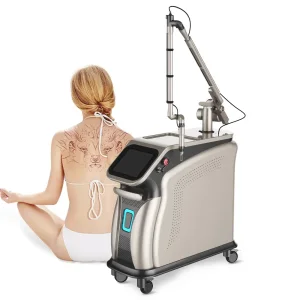
Picosecond tattoo clearance releases immense acoustic and thermal energy. Utilizing a hands-free articulated arm positioning the air cooling nozzle directly over the treatment site provides continuous numbing air, enabling practitioners to work faster and execute multi-pass sessions comfortably.
During 980nm diode laser or long-pulsed Nd:YAG vascular spider vein coagulation, vessel heating can cause sharp thermal sensations. Sub-zero air cooling restricts thermal spreading into surrounding superficial skin, preventing epidermal necrosis and blistering.
When operating 1200W to 3000W high-power diode lasers across large body areas (full back, legs), contact sapphire cooling alone can become overwhelmed by rapid heat build-up. Supplementary cold air jet streaming maintains skin surface temperature consistently below 18°C.
Essential criteria for international distributors, medical equipment importers, and OEM brand buyers.
Sourcing medical aesthetic machinery internationally requires comprehensive due diligence across technical specifications, regulatory compliance, factory capabilities, and warranty support frameworks. When evaluating a CE Certification Air Cooling Machine Manufacturer & Factory, corporate buyers must assess key commercial parameters:
Ensure the manufacturer holds genuine CE certification compliant with the Medical Device Directive/Regulation (MDD/MDR) and ISO 13485 quality management accreditation. Test reports must include EMC testing (EN 60601-1-2) to ensure the air cooler compressor does not cause electrical interference with sensitive laser circuitry.
Leading factories offer extensive customization, including custom chassis color matching, high-resolution touchscreen GUI localization, custom branded UI boot logos, specialized hose attachments, and custom-molded outer housings matching existing product lines.
Evaluate packing standards—units must ship in reinforced, shock-resistant, medical-grade aluminum flight cases. Furthermore, verify that the manufacturer maintains a guaranteed inventory of replacement compressors, control boards, and air hoses for rapid global air shipment under warranty.
Factory Quality Assurance Guarantee: SANO Laser provides a complete 2-year factory warranty on all air cooling systems, supported by lifetime technical remote diagnostics, modular spare-part replacement kits, and engineer-led operator video training modules.
In-depth responses covering technical operations, maintenance, OEM branding, and international compliance.