- +86 136 8127 5833
- [email protected]
- Shunyi, Beijing, China
Explore our core engineering platforms currently deployed across medical aesthetics centers, skin therapy practices (huidtherapie), and cosmetic surgery clinics throughout the Netherlands.
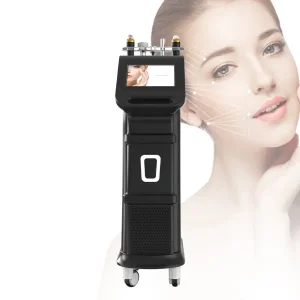
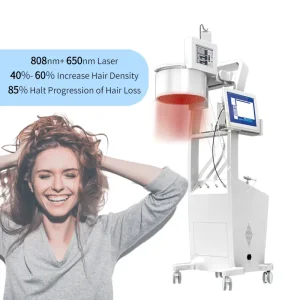
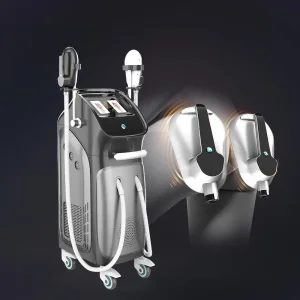
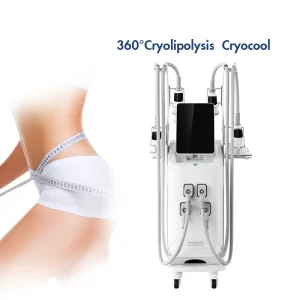
The Dutch non-invasive aesthetic ecosystem is experiencing a structural evolution. Driven by strict consumer demands for natural-looking results, minimal downtime, and scientifically backed protocols, clinics across major urban hubs—including Amsterdam, Rotterdam, Utrecht, The Hague, and Eindhoven—are actively updating legacy equipment to advanced fractional energy platforms.
Within the Dutch healthcare framework, aesthetic care is characterized by high consumer awareness and stringent oversight by local health authorities such as the Inspectie Gezondheidszorg en Jeugd (IGJ). Skin therapists (huidtherapeuten) and aesthetic physicians (cosmetisch artsen KNMG) require medical devices that do not merely offer surface-level tightening, but deliver reproducible dermal remodeling with absolute epidermal safety.
The traditional microneedling sector in the Benelux region faced persistent challenges: operator dependency, variable insertion depths due to skin elasticity variance, patient pain perception, and post-inflammatory hyperpigmentation (PIH) risks on darker skin phototypes (Fitzpatrick IV–VI) common in multicultural Dutch metropolitan populations. The introduction of Vertical Vacuum-Assisted Microneedling Radiofrequency (RF) systems solves these clinical bottlenecks by stabilizing the cutaneous interface before needle deployment, establishing a new operational benchmark for Dutch practices.
To understand the information gain provided by our vertical platform, one must examine the electromechanical interaction at the dermo-epidermal junction. Standard fractional RF microneedling relies purely on mechanical push force from a stepping motor. On lax tissue or sensitive zones (such as the periorbital area or submentum), mechanical force pushes the skin downward, causing uneven needle insertion depths and painful mechanical stretching.
Our vertical machine incorporates a dual-chamber pneumatic vacuum pump that generates controlled sub-atmospheric pressure (-20 to -60 kPa) prior to needle entry. This negative pressure pulls the skin target flat against the treatment tip array.
Operating at a stable 2MHz to 4MHz carrier frequency, the generator delivers precise thermal coagulation zones (65°C to 75°C) directly into the reticular dermis while insulating the epidermis via 24K gold-plated needle shafts.
For Dutch practitioners managing varied patient demographics, needle tip customization is crucial. Insulated needle arrays emit RF energy exclusively from the non-insulated 0.3mm distal tip, completely sparing the basal layer of the epidermis. This makes it ideal for Fitzpatrick skin types IV–VI, common in urban Dutch centers. Non-insulated needles deliver uniform heating throughout the entire shaft length, facilitating rapid epidermal resurfacing and dermal contraction simultaneously for lighter phototypes (Fitzpatrick I–III).
As a lead-tier manufacturer supplying European distributors, our Beijing R&D center continuously advances the underlying architecture of vertical vacuum microneedling platforms. The aesthetic device sector is shifting away from static parameter presets toward real-time diagnostic adaptation.
Future iterations integrate micro-sensors measuring cutaneous electrical resistance in milliseconds. The system automatically regulates voltage output to prevent hot spots or under-dosing caused by local tissue hydration variances.
By pairing sub-atmospheric pressure release with micro-channels, the post-treatment vacuum impulse creates a transdermal suction force, enhancing uptake of exosomes, polynucleotides (PDRN), and cross-linked hyaluronic acid by up to 67%.
Algorithmic presets automatically adjust needle insertion depth and pulse duration based on high-frequency ultrasound skin analysis inputs, removing human error in delicate anatomical sub-zones.
Operating a high-end MedSpa or dermatology clinic in the Netherlands involves high overheads, including commercial real estate in city centers, strict staff certification costs, and rising marketing expenses. Equipment capital expenditure must deliver rapid payback schedules and reliable operational margins.
A single Vacuum RF Microneedling session in Randstad cities commands between €350 and €650 per treatment area (face/neck). With disposable tip costs optimized directly via factory supply, consumable overhead remains under 5% per session. Operating at just 3 treatments daily, a Dutch practice achieves full machine capital return within 60 to 90 business days.
Our engineering team supplies comprehensive clinical operating manuals aligned with European safety standards. From pre-treatment numbing protocols adapted to Dutch regulations to post-care barrier restoration, we help clinic owners train non-physician operators (such as qualified huidtherapeuten) safely and legally.
Importing medical aesthetic platforms into the Netherlands requires strict compliance with European Union frameworks. Devices entering the Dutch market must satisfy electromagnetic compatibility, electrical safety, and clinical safety directives under the European Medical Device Regulation (EU MDR 2017/745) criteria.
All vertical vacuum microneedling units leave our facility backed by comprehensive technical files, CE declaration, EMC test reports (EN 60601-1-2), and Low Voltage Directive certifications (EN 60601-1), enabling smooth customs clearance at Schiphol or Rotterdam ports.
We work alongside Dutch distribution partners to ensure machine parameter limits align with local scope-of-practice laws under the Dutch BIG Act (Wet BIG) and guidance from the Dutch Association of Skin Therapists (NVH).
We support localized logistics with a 48-hour door-to-door spare parts replacement dispatch service, localized Dutch/English graphical user interfaces (GUI), and direct engineer-to-engineer video diagnostics.
As an engineer-led manufacturing enterprise based in Beijing, SANO Laser operates state-of-the-art production assembly lines, optical testing labs, and cleanroom tip-packaging facilities. We do not act as trading intermediaries; every system component is trace-tested from initial raw board assembly to final burn-in calibration.
We support European brands, aesthetic franchising chains, and equipment importers seeking private-label manufacturing:
Procuring medical aesthetic equipment directly from an overseas OEM factory requires clear communication regarding commercial terms, freight optimization, and regulatory documentation. We streamline international procurement for Dutch enterprises through transparent frameworks:
Standard builds ship in 5–7 working days; OEM builds in 14–21 days.
DDP/DAP air express (DHL/FedEx) direct to clinic or Rotterdam seaport shipping.
2-Year full chassis warranty; instant free part replacement via express courier.
Secure Wire Transfer (T/T), L/C for container volumes, and Credit Card options.
Detailed answers to direct questions submitted by Dutch skin therapists, medical directors, and equipment distributors.
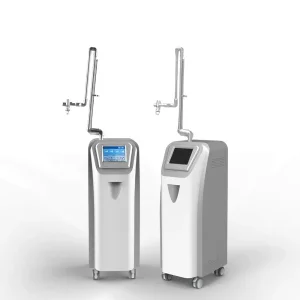
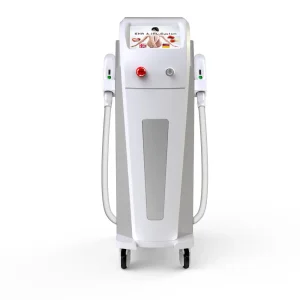
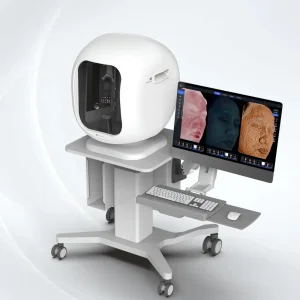
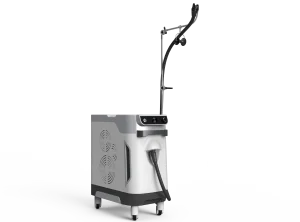
Expand your clinical portfolio with our full range of CE-compliant laser, light, RF, and body contouring devices manufactured for wholesale distribution in the Netherlands.
Whether you are a medical equipment distributor in Amsterdam, a clinic chain manager in Rotterdam, or an aesthetic practitioner expanding services in Utrecht, our engineering team is ready to discuss factory-direct pricing, custom specifications, and CE compliance documentation.
Send Inquiry Now