- +86 136 8127 5833
- [email protected]
- Shunyi, Beijing, China
High-performance platforms engineered for leading dermatology clinics, medical spas, and aesthetic centers across Boston, Cambridge, and Brookline.
The Greater Boston metropolitan area represents one of the world's most concentrated centers for biomedical technology, clinical research, and premium aesthetic dermatological practices. As patient expectations shift toward non-surgical procedures with minimal downtime, Vacuum-Assisted Radiofrequency (RF) Microneedling has emerged as the definitive modality for structural dermal remodeling.
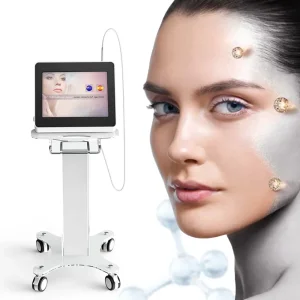
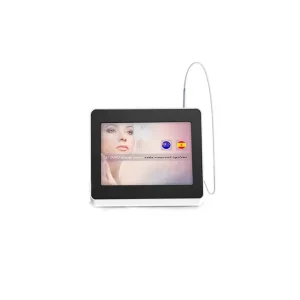
Vacuum RF Microneedling represents a synergistic convergence of mechanical cutaneous traction, electro-thermal coagulation, and controlled micro-wound healing cascades. To evaluate suppliers serving the Boston market, medical directors and procurement officers must analyze four core physical dynamics:
Integrated vacuum channels create controlled pneumatic suction (ranging from 100 to 400 mbar) prior to needle insertion. This lifts and immobilizes the skin against the handpiece tip, normalizing skin tension and counteracting dermal compliance variations caused by elastin degradation.
By emitting 1MHz - 5MHz bipolar high-frequency energy precisely at needle tips, localized tissue temperatures reach 55°C to 65°C. This specific thermal window initiates instant collagen triple-helix denaturation without risking epidermal charring or post-inflammatory hyperpigmentation (PIH).
Advanced direct-drive robotic stepping motors drive gold-plated insulated or non-insulated microneedle arrays into depths from 0.5mm to 4.0mm in 0.1mm micro-increments, bypassing epidermal nerve resistance to significantly minimize procedural discomfort.
When evaluating OEM/ODM factories for equipment deployment in Massachusetts dermatological facilities, choosing the correct insulation profile is essential for targeting specific anatomical layers:
| Feature Parameter | Insulated Microneedle Array | Non-Insulated Microneedle Array |
|---|---|---|
| Energy Emission Profile | Energy emitted strictly from the distal 0.3mm uninsulated needle tip. | Energy emitted along the entire shaft length simultaneously. |
| Epidermal Protection Level | Maximum protection; ideal for high melanin density (Fitzpatrick IV-VI). | Requires precise cooling; creates full-thickness dermal coagulation. |
| Primary Clinical Indications | Deep dermal tightening, submental laxity, severe acne scarring. | Superficial pore reduction, fine lines, epidermal texture refining. |
| Boston Clinical Downtime | 12 – 24 Hours (Mild erythema). | 48 – 72 Hours (Moderate erythema & micro-crusting). |
The commercial landscape for medical aesthetic device suppliers in Greater Boston is governed by stringent regulatory compliance standards (FDA 510(k) frameworks, ISO 13485 manufacturing benchmarks) and high expectations for rapid technical field support. Practitioners in Back Bay, Chestnut Hill, Cambridge, and Newton require suppliers who offer robust technical backup and continuous inventory of specialized consumables.
Connect directly with our engineering team to review technical dossiers, request customization specs, or schedule a virtual live-demonstration.
Send Inquiry NowThe next decade of radiofrequency microneedling will focus on real-time feedback systems, multi-frequency modulation, and smart therapeutic combinations. Factories leading the OEM market are actively integrating several key technologies:
Smart handpiece firmware continuously measures skin electrical resistance during needle engagement, dynamically adjusting RF energy output millisecond-by-millisecond to deliver consistent energy regardless of hydration level.
Combining 650nm low-level diode laser illumination directly through the vacuum chamber tip to reduce acute erythema while stimulating superficial micro-circulation during deep RF thermal delivery.
Integrated diagnostic cameras scan dermal thickness and hydration metrics, automatically suggesting optimal pulse duration, vacuum level, and penetration depth based on patient profile data.
For medical spa owners in Boston, capital equipment purchasing decisions require clear economic modeling. Below is a representative financial return matrix comparing factory-direct OEM procurement with legacy domestic distributor models:
| Financial Component | Legacy Domestic Brand Model | Factory-Direct OEM Model (SANO) |
|---|---|---|
| Initial System Capital Outlay | $85,000 – $140,000 USD | $12,000 – $24,000 USD |
| Consumable Cartridge Cost per Tip | $80 – $150 USD / Tip | $12 – $25 USD / Tip |
| Average Patient Treatment Fee (Boston) | $800 – $1,200 USD / Session | $800 – $1,200 USD / Session |
| Payback Period (10 Patients/Month) | 11 to 16 Months | 1.5 to 3 Months |
| Warranty & Component Replacement | High annual service contract fees | 2-Year comprehensive warranty + factory spare parts support |
Addressing core engineering, clinical safety, and supply chain queries for aesthetic equipment purchasers in Massachusetts.
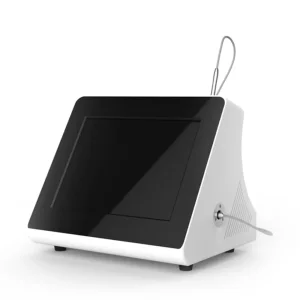
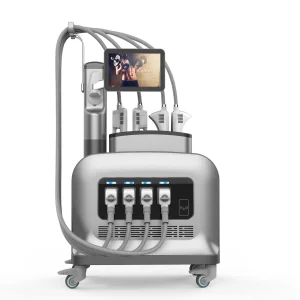
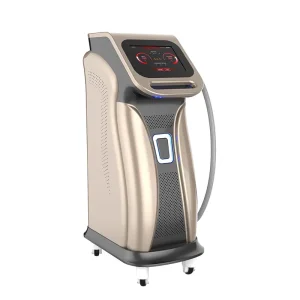
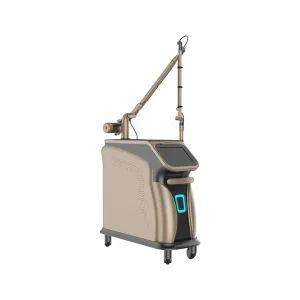
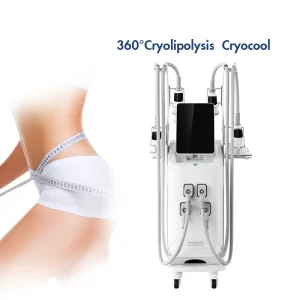
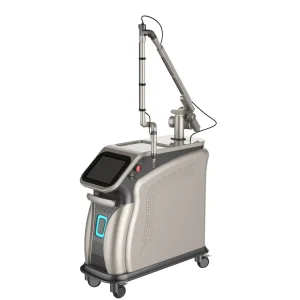
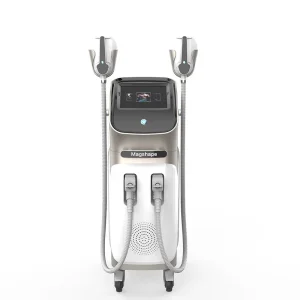
Explore our broader medical laser, body contouring, and vascular platforms engineered to enhance service capabilities for aesthetic clinics in Boston and worldwide.
Request comprehensive OEM catalogs, custom branding specifications, and wholesale tier pricing tailored for your regional business expansion.
Send Inquiry Now