- +86 136 8127 5833
- [email protected]
- Shunyi, Beijing, China
Engineered for high-humidity environments, high-patient-throughput, and superior safety profiles across darker skin phototypes.
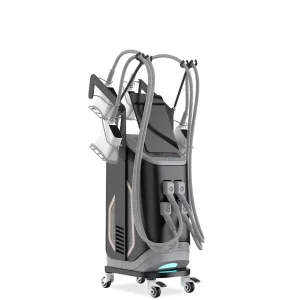
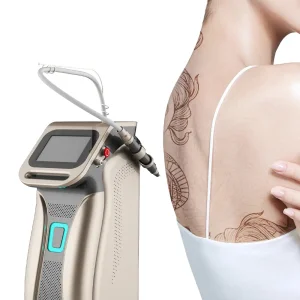
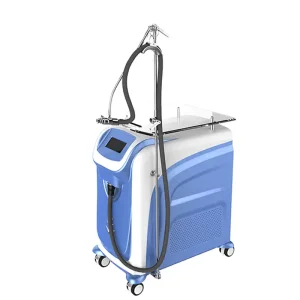
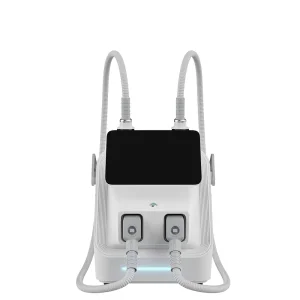
The aesthetic dermatology market in Bangladesh is experiencing an unprecedented structural surge. Driven by rapid urbanization in tier-1 commercial hubs—specifically Dhaka (Gulshan, Banani, Dhanmondi, Uttara), Chittagong, and Sylhet—middle-to-high-income patient demographics are demanding advanced non-surgical cosmetic interventions. Historically dominated by topical treatments and chemical peels, the market is rapidly pivoting toward energetic device-based modalities: radiofrequency (RF), high-intensity focused ultrasound (HIFU), and fractional medical lasers.
However, operating energy-based aesthetic devices in South Asia requires rigorous biological contextualization. The predominant skin phototypes in Bangladesh range from Fitzpatrick Type IV to Type VI. These melanin-rich epidermal profiles pose significant clinical hurdles when treated with traditional ablative devices like standard CO2 fractional lasers or non-vacuum optical light sources. Epidermal melanin absorbs optical energy aggressively, escalating the risk of severe thermal collateral damage, blistering, prolonged erythema, and most critically, Post-Inflammatory Hyperpigmentation (PIH) or hypopigmentation.
Moreover, the tropical, humid climate of Bangladesh exacerbates sebaceous gland hyper-reactivity, leading to high incidences of severe inflammatory acne vulgaris. Consequently, post-acne scarring—specifically atrophic ice-pick, boxcar, and rolling scars—represents over 45% of total consultation volume in Dhaka skin clinics. Conventional microneedling often struggles with irregular skin topography, leading to inconsistent needle entry angles, painful mechanical tearing, and localized bleeding. This is where Vacuum-Assisted Radiofrequency (RF) Microneedling technology emerges as the definitive, clinical-grade gold standard for Bangladeshi aesthetic practitioners.
Clinical Insight for Bangladesh Importers: Vacuum microneedling RF bypasses the epidermis entirely by delivering radiofrequency thermal energy directly into the target dermal layers (reticular & papillary dermis). Because radiofrequency energy is chromophore-independent (it relies on electrical impedance rather than melanin absorption), the risk of PIH on Bangladesh skin phototypes IV-VI is reduced to virtually zero.
Understanding the mechanics of negative pressure vacuum suction, gold-plated stepping motor delivery, and variable RF frequency modulation.
Traditional microneedling relies on manual operator pressure, causing uneven needle insertion depths on curved facial zones (e.g., jawline, temples). Our vacuum mechanism applies localized negative pressure (-60kPa), lifting and flattening skin tissue securely against the tip prior to needle penetration. This guarantees 100% perpendicular needle insertion and zero epidermal tearing.
Equipped with high-torque robotic stepping motors, the needle array penetrates the skin smoothly without the violent mechanical impact of solenoid-driven devices. Penetration depth is digitally controllable from 0.5mm to 4.0mm in ultra-precise 0.1mm increments, allowing operators to target the delicate periorbital zone or deep abdominal striae distensae effortlessly.
Featuring biocompatible 24K gold-plated micro-needles. Insulated tips discharge thermal RF energy strictly at the uninsulated distal tip (protecting the epidermis for PIH-prone skin), while Non-Insulated tips emit RF along the entire needle shaft for comprehensive dual-layer dermal coagulation.
When the micro-needles reach the designated depth within the dermis, the system emits a localized 2MHz radiofrequency pulse. The electrical resistance (impedance) of the dermal tissue converts this electrical energy into thermal energy, raising deep tissue temperatures to precisely 60°C to 80°C. This targeted thermal stress triggers instant triple-helix denaturation of existing collagen fibers, initiating an immediate micro-vascular contraction.
Over the subsequent 28 to 90 days post-treatment, the body's natural wound-healing cascade stimulates fibroblast proliferation, synthesis of Type I and Type III collagen, and elastin remodeling. The concurrent vacuum action creates micro-channels that remain patent for several minutes, enabling transdermal drug delivery efficacy to improve by up to 67% for topical growth factors, PRP (Platelet-Rich Plasma), or hyaluronic acid serums.
Bridging the gap between European-grade engineering performance and commercial feasibility in South Asia.
European or American RF microneedling units (e.g., Morpheus8, Potenza) often carry ex-factory costs ranging from $40,000 to $80,000 USD, with exorbitant single-use tip prices ($80–$150 USD per tip). For a clinic in Dhaka or Chittagong, passing these costs onto patients is commercially unviable. Leading Chinese manufacturers like SANO Laser deliver equivalent technical parameters—high-stability 2MHz RF generators, gold-plated stepping motors, and vacuum modules—at a fraction of the capital expenditure, enabling single-use tip costs below $15–$25 USD. This lowers clinic break-even periods from 18 months down to under 90 days.
Top-tier Chinese aesthetic factories operate under stringent ISO 13485 medical device quality management systems. Equipment built for export to Bangladesh undergoes strict 72-hour continuous electrical burn-in testing, energy output calibration via oscilloscope diagnostics, and vacuum stability verification. Key internal sub-assemblies incorporate imported components—such as German vacuum pumps, Japanese stepping motors, and industrial-grade power supplies—ensuring multi-year stability despite local voltage fluctuations.
For Bangladeshi medical aesthetic equipment distributors seeking to build proprietary brand equity, direct factory partnerships offer turnkey OEM/ODM services. This includes customized aluminum casing colors, laser-engraved distributor logos, custom GUI interfaces in English with pre-loaded clinical presets, and localized packaging adapted for air/sea freight directly into Chittagong Port or Hazrat Shahjalal International Airport (Dhaka).
Unlike distant Western vendors, Chinese manufacturers provide real-time engineer-led technical support via dedicated video channels. Machines are engineered with modular internal architecture—plug-and-play power modules, quick-disconnect hydraulic vacuum tubing, and slide-in RF driver boards—enabling local Bangladeshi clinic technicians to complete spare part replacements within 30 minutes, guaranteeing zero clinical operational downtime.
Evaluating Vacuum RF Microneedling against legacy resurfacing technologies across key clinical criteria.
| Clinical Evaluation Parameter | Vacuum RF Microneedling | Traditional Non-Vacuum RF | Fractional CO2 Laser | Standard Dermaroller |
|---|---|---|---|---|
| PIH Risk (Fitzpatrick IV–VI) | Ultra-Low (<1%) | Low (3–5%) | High (25–40%) | Low (2–4%) |
| Penetration Depth Precision | Robotic 0.5–4.0mm (±0.05mm) | Manual 0.5–3.5mm | Superficial to Mid-Dermis | Uncontrolled Manual |
| Topography & Curved Zones | 100% Contact (Vacuum Lifted) | Variable Contact (Slippage) | Non-Contact Optical | Variable Pressure |
| Epidermal Thermal Damage | Zero (Insulated Needle) | Minimal | High (Full Ablation) | Zero |
| Patient Downtime | 24–48 Hours | 2–4 Days | 7–14 Days | 1–3 Days |
| Consumable Cost / Treatment | Low ($15–$25 USD tip) | Moderate ($30–$50 USD) | Zero (Gas refill over time) | Very Low ($5–$10 USD) |
Clinical Background: Due to genetic factors and chronic humidity leading to cystic acne, post-acne scarring in Bangladeshi patients is characterized by dense fibrotic tethering in the deep reticular dermis.
Recommended Protocol: Utilize 25-pin insulated tip with vacuum level 2. Set needle depth to 2.5mm–3.0mm for initial pass at 45W–60W RF energy, delivering thermal coagulation directly beneath the scar base. A secondary superficial pass at 1.0mm (25W) stimulates papillary dermal smoothing. 3 to 4 sessions spaced 4 weeks apart yield up to 80% scar depth reduction.
Clinical Background: Premature skin laxity along the jawline and submental double-chin area is a growing concern among patients aged 35–60 in urban Bangladesh hubs.
Recommended Protocol: Utilize 64-pin body/facial tip with vacuum level 3. Apply stepping depth from 3.5mm down to 1.5mm in a vector-lifting pattern across the SMAS layer and deep dermis. The combination of monopolar RF mode deep volumetric heating and bipolar precision contraction tightens sagging tissue with zero surgical risk.
Clinical Background: Post-pregnancy abdominal stretch marks (striae rubra and striae alba) represent a high-demand treatment category across private maternity and aesthetic clinics in Dhaka.
Recommended Protocol: 64-pin insulated tip at 3.5mm–4.0mm depth with high RF energy (60W–80W). Vacuum suction isolates lax abdominal skin, allowing deep dermal collagen tearing to heal while keeping the hyperpigmentation-prone epidermis uninjured.
Clinical Background: Thin periorbital skin requires extreme thermal regulation to prevent vascular damage or bruising.
Recommended Protocol: 10-pin precision eye tip at 0.5mm–1.2mm depth, vacuum level 1, low RF energy (15W–25W). Smoothes fine lines and crow's feet while tightening lower eyelid skin safely.
Realistic revenue projections based on actual clinical pricing data across Dhaka (Gulshan / Banani) aesthetic practices.
| Financial Metric | Value in USD ($) | Value in Bangladeshi Taka (BDT গিকা) |
|---|---|---|
| Initial Machine Capital Expenditure (CapEx) | ~$6,500 – $9,500 USD | ~800,000 – 1,150,000 BDT |
| Average Patient Charge per RF Microneedling Session | $120 – $200 USD | 14,000 – 24,000 BDT |
| Direct Consumable Cost per Session (Tip + Serum) | ~$20 USD | ~2,400 BDT |
| Net Profit per Treatment Session | ~$100 – $180 USD | 11,600 – 21,600 BDT |
| Monthly Patient Volume (Assuming 2 sessions/day, 20 days) | 40 Sessions / Month | 40 Sessions / Month |
| Net Monthly Gross Profit | $4,000 – $7,200 USD | 464,000 – 864,000 BDT |
| Estimated Capital Break-Even Timeline | 2.0 to 3.5 Months | 2.0 to 3.5 Months |
Direct factory supply with CE certification, 2-year warranty, and complete engineer support across Bangladesh.

Expert insights for Bangladeshi medical equipment buyers, clinic owners, and biomedical engineers.
Direct factory pricing, customized OEM software, ISO 13485 quality control, and rapid delivery to Dhaka, Chittagong, and Sylhet. Contact our biomedical engineering export desk now.