

- +86 136 8127 5833
- [email protected]
- Shunyi, Beijing, China
Fully compliant with UKCA and CE standards, featuring advanced energy delivery, intelligent cooling systems, and multi-wavelength capabilities.

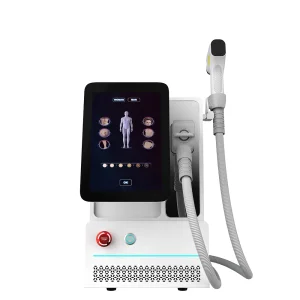
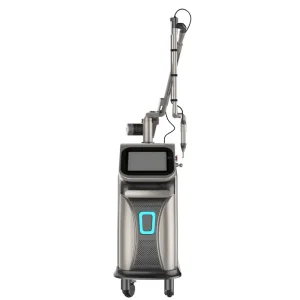
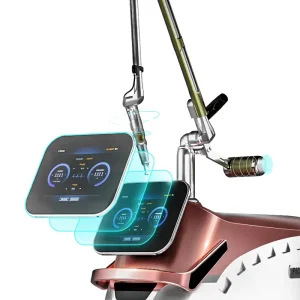
The demand for non-invasive laser tattoo removal across the United Kingdom has undergone a fundamental structural shift over the past decade. Driven by shifting professional workplace norms, evolving body aesthetic trends, and the continuous refinement of permanent makeup (PMU), UK aesthetic clinics, private dermatology practices, and specialized laser hubs are experiencing unprecedented inquiry volumes. Market intelligence indicates that approximately 27% of adults in the UK possess at least one tattoo, with over 34% of individuals aged 18 to 35 expressing some degree of "tattoo regret"—whether seeking complete dermal ink clearance or selective fading to facilitate high-quality cover-up tattoo artwork.
In response to this booming consumer demographic across major metropolitan hubs—such as London, Manchester, Birmingham, Leeds, Glasgow, and Edinburgh—clinic owners are facing critical operational decisions regarding equipment procurement. Historically, UK practitioners were restricted to legacy Western laser brands carrying exorbitant capital expenditure (CapEx) hurdles exceeding £60,000 to £110,000 per unit, alongside predatory annual maintenance contracts. Today, forward-thinking UK medical aesthetic directors are pivoting directly to specialized Chinese OEM/ODM manufacturing powerhouses like SANO Laser to secure industrial-grade Picosecond and Q-Switched Nd:YAG platforms that deliver equivalent or superior clinical efficacy at a fraction of the total cost of ownership (TCO).
Over 45% of UK laser removal patients are not seeking bare skin, but partial lightening (2 to 4 sessions) to allow tattoo artists to apply vibrant, uncompromised cover-up designs.
Operating under CQC guidance and UK Local Authority Licensing (e.g., London Special Treatment Licenses) requires equipment with verified electrical safety, UKCA/CE compliance, and fail-safe interlocks.
UK clinics charge £80 to £350 per session depending on tattoo surface area. Factory-direct sourcing enables complete equipment amortization within 60 to 90 business days.
To understand why SANO Laser’s Picosecond systems excel in the UK market, one must examine the biophysical interactions occurring within the dermal layer. Traditional nanosecond Q-switched lasers rely primarily on photothermal action, transferring heat energy to target ink pigments over pulse widths ranging from 5 to 20 nanoseconds. While effective for basic carbon black inks, this prolonged thermal relaxation window risks collateral thermal damage to surrounding collagen matrices, potentially inducing blistering, scar tissue formation, or post-inflammatory hyperpigmentation (PIH)—a significant concern when treating Fitzpatrick Skin Types III through VI common in diverse UK cities.
In contrast, SANO’s advanced Picosecond platforms compress laser energy into ultra-short picosecond pulse durations (truly sub-nanosecond). This ultra-rapid delivery triggers a dominant photo-acoustic shockwave effect. Rather than slowly heating the ink particle, the laser energy causes the tattoo pigment to rapidly expand and shatter into microscopic, dust-like particles. These micro-fragmented ink deposits are subsequently phagocytosed by native macrophages and drained seamlessly via the lymphatic system, resulting in faster clearance rates with substantially fewer overall treatment sessions.
| Technical Benchmark | Legacy Nanosecond Q-Switched Laser | SANO Advanced Picosecond Laser (Factory Direct) | Clinical Advantage for UK Clinics |
|---|---|---|---|
| Pulse Duration | 5 ns – 20 ns (Nanoseconds) | Picoseconds (Ultra-Short) | Photomechanical shatter, zero peripheral burn risk |
| Target Mechanism | Photothermal (Thermal heating) | Photo-Acoustic (Shockwave pressure) | Dramatically reduced pain, faster epidermal recovery |
| Ink Particle Reduction | Pebble-sized fragmentation | Dust-sized micro-particles | Faster clearance by macrophage lymphatic drainage |
| Average Sessions Needed | 10 to 16 Sessions | 4 to 8 Sessions | Higher patient satisfaction and turnover rate |
| Fitzpatrick Skin Safety | High risk of PIH on Types IV-VI | Safe for Fitzpatrick Types I – VI | Enables treatment across diverse UK demographics |
| Articulated Light Guide | Direct fiber transmission (Power drop) | 7-Joint Korean Articulated Arm | 99.5% optical energy retention, flawless spot roundness |
Different tattoo ink compositions reflect and absorb specific light spectra. SANO’s multi-wavelength configurations provide UK practitioners with the full-spectrum versatility required to tackle complex, multi-colored tattoos within a single clinic workstation:
Navigating the global supply chain requires transparency, engineering rigor, and structural reliability. As a direct manufacturer established in Beijing, China, with in-house R&D facilities, automated optical alignment laboratories, and dedicated clinical testing rooms, Beijing Sano Laser Development S&T Co., Ltd. eliminates middleman markups while enforcing medical-grade quality control.
We combine localized assembly cost advantages with premier global components: UK-imported Heraeus Xenon lamps, German-engineered water circulation pumps, Japanese high-voltage power modules, and Korean 7-joint articulated light arms.
Custom software branding, localized English interfaces, preset clinical treatment guidelines, custom chassis paint finishes (matte dark graphite, pearl white), and customized outer shipping crates tailored for UK sea or air freight delivery.
Unlike low-cost desktop lasers that suffer from rapid thermal degradation and beam divergence, SANO industrial laser stations utilize dual-rod Nd:YAG crystal structures housed in heavy-duty gold-plated reflective cavities. This structural design ensures:
Deploying medical aesthetic equipment in the United Kingdom requires full adherence to strict electrical safety, optical radiation protocols, and regional authority guidelines. SANO Laser provides comprehensive compliance documentation and localized hardware adaptations to guarantee smooth approval for your clinic operation:
Every platform is delivered complete with verified CE test reports, EMC electrical safety certificates (BS EN 60601-1 standards), and technical dossiers needed for UK authority registration.
Pre-configured with UK-standard 230V 50Hz internal transformers, heavy-duty BS 1363 fused three-pin plugs, integrated emergency kill switches, and key-lock interlocks mandated by UK inspectors.
Dedicated English-speaking technical support engineers available 24/7. Core replacement parts, handpiece optic tips, and modular power cards are dispatched via express door-to-door courier.
Investing in a high-performance laser platform must make financial sense. By cutting out third-party UK importer margins (which typically mark up devices by 200% to 350%), purchasing factory-direct from SANO Laser dramatically lowers barrier to entry and accelerates your clinic's profitability timeline.
| Tattoo Size / Treatment Scope | Avg. Treatment Time | Avg. UK Price Charged per Session | Estimated Consumable Cost | Net Profit per Session |
|---|---|---|---|---|
| Micro Tattoo / Eyebrow PMU (Under 3 cm²) | 10 Minutes | £80 – £120 | £0.80 (Wipes, Cooling, Optics wear) | £79.20 – £119.20 |
| Small Tattoo (3 cm² – 10 cm²) | 15 Minutes | £120 – £180 | £1.20 | £118.80 – £178.80 |
| Medium Tattoo (10 cm² – 25 cm²) | 25 Minutes | £180 – £260 | £2.50 | £177.50 – £257.50 |
| Large Half-Sleeve / Backpiece | 45 Minutes | £300 – £500+ | £5.00 | £295.00 – £495.00+ |
Assuming a modest clinic volume of just 15 tattoo removal appointments per week at an average price of £150 per session, weekly gross revenue equals £2,250. Over a 50-week operating year, gross annual revenue reaches £112,500—allowing clinic owners to achieve complete equipment payback within the first 6 to 12 weeks of operation.
Complement your tattoo removal services with high-demand skin resurfacing, body shaping, vascular clearance, and laser hair removal systems.
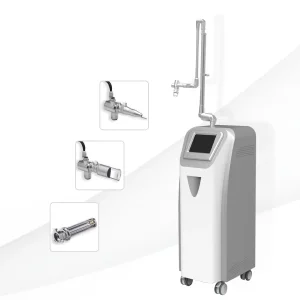
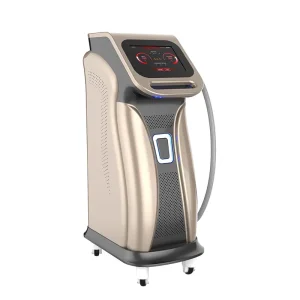
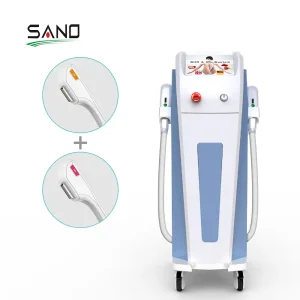
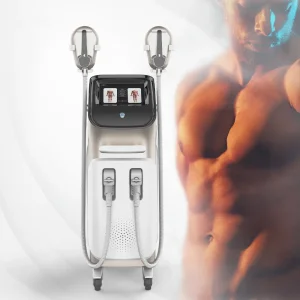

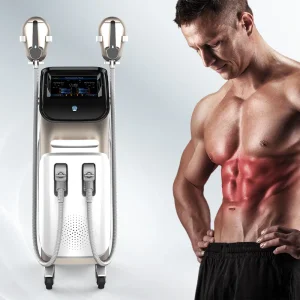
Elevate your UK clinic's treatment capabilities, secure direct OEM pricing, and gain full UKCA/CE compliance backup from our engineering desk.