- +86 136 8127 5833
- [email protected]
- Shunyi, Beijing, China
Direct factory supply of medical-grade 3D facial optical scanners and complementary aesthetic platforms engineered for high-volume dermatology practice in Metro Manila.
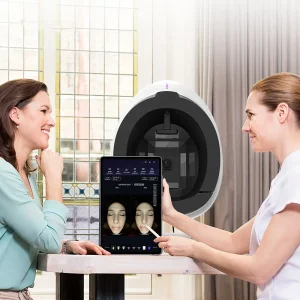
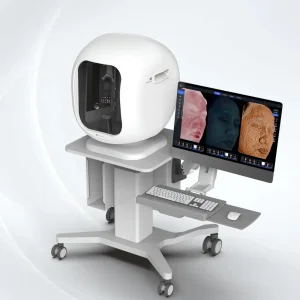
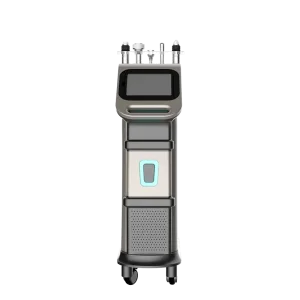

Evaluating the shift toward data-driven aesthetic consultations in Bonifacio Global City (BGC), Makati, Quezon City, and expanding medical spa hubs across Luzon.
The aesthetic market in Manila presents unique dermatological challenges rooted in the tropical Maritime climate of the Philippines. Clinics operating in regions like Taguig, Pasig, and Mandaluyong serve a predominantly Fitzpatrick Type III, IV, and V patient demographic characterized by high melanocyte activity, increased sebum secretion rates due to ambient humidity, and widespread Post-Inflammatory Hyperpigmentation (PIH).
Commercial aesthetic enterprises across Metro Manila are aggressively migrating from intuition-based consultations to high-tech, objective visual diagnostics. Integrating a 3D facial skin analyzer at the initial patient intake stage significantly alters the unit economics of a clinical practice by driving higher treatment conversion and multi-session package sales.
Industrial Insight for Manila Procurement Officers: "In the competitive landscape of Manila’s aesthetic industry, patient retention hinges on quantified outcomes. A skin analyzer is no longer merely a sales utility; it serves as a clinical defense mechanism against subjective treatment dissatisfaction."
An engineering analysis of light spectrum interaction, camera sensor calibration, and deep learning algorithms utilized in modern clinical analyzers.
Modern skin diagnosis utilizes distinct light wavelengths to isolate epidermal, dermal, and follicular structures without invasive biopsy procedures:
Hardware calibration is critical to achieving objective repeatability. Systems supplied by high-end manufacturing facilities employ industrial-grade CMOS sensor matrices ranging from 20MP to 36MP resolution paired with fixed focal-length optical lenses.
Integrated structured light projection projects hyper-fine line grids onto the patient's face, mapping 3D surface elevation profiles with sub-millimeter depth accuracy. This allows precise volumetric calculation of nasolabial folds, peri-orbital wrinkles, and structural volume loss.
Raw optical image capture is processed through Convolutional Neural Networks (CNNs) trained on vast clinical skin image databases containing millions of categorized patient samples.
The AI algorithm segments facial zones, compares pixel-density chromatic vectors against age and skin-type matched control groups, and yields an objective scoring matrix covering 10 to 14 distinct dermatological metrics, including skin age estimation, barrier hydration index, and sensitivity risk ratings.
Why direct source partnership with premier Chinese manufacturing infrastructure outpaces third-party trading intermediaries and overpriced Western white-label brands.
At SANO Laser's specialized manufacturing facility in Beijing, skin analyzers undergo rigorous multi-stage assembly within controlled optical cleanrooms. Unlike assembler trading outfits that outsource component sourcing, our facility manages lens alignment, spectral filter mounting, and LED board integration in-house.
Every analyzer unit undergoes a mandatory 48-hour continuous sensor burn-in test and darkroom color-rendering calibration to guarantee that light intensity remains consistent across millions of camera flashes.
For large clinic franchises and wholesale equipment distributors in Manila, brand identity is paramount. SANO provides extensive OEM/ODM manufacturing capability designed to seamlessly integrate hardware and software into your corporate ecosystem:
How leading dermatologists and medical spas in Luzon integrate 3D spectral skin diagnostics into everyday clinical procedures.
Prior to administering high-energy laser treatments such as Q-Switched Nd:YAG or Picosecond laser therapy for melasma, the skin analyzer establishes a precise pigment baseline.
By determining whether pigmentation is epidermal or deep dermal under polarized and UV light modes, practitioners can set accurate laser fluences, significantly mitigating the risk of paradoxical post-laser hyperpigmentation.
Non-surgical face-lifting procedures using 4D/7D HIFU or Microneedling RF require time to show full neocollagenesis. Utilizing 3D surface depth mapping allows operators to capture volumetric elevation changes at 30, 60, and 90-day intervals post-treatment.
This visual evidence demonstrates objective tissue contraction to the patient, encouraging treatment plan compliance and series renewals.
In humid tropical environments like Metro Manila, acne management protocols represent a continuous revenue stream. The analyzer's UV fluorescence spectrum quantifies P. acnes bacterial colonies (porphyrins) within pores.
Clinics use this data to sell targeted chemical peels, medical facials, and specialized home-care regimens, demonstrating bacterial count reduction over successive visits.
A comprehensive roadmap for importing diagnostic aesthetic machinery safely, efficiently, and cost-effectively from China to the Philippines.
Importing medical aesthetic devices into the Philippines involves navigating specific regulatory processes overseen by the Philippines Food and Drug Administration (PFDA) and the Bureau of Customs (BOC):
Procurement officers should invest in hardware platforms with forward-compatible software architecture to avoid rapid technology obsolescence:
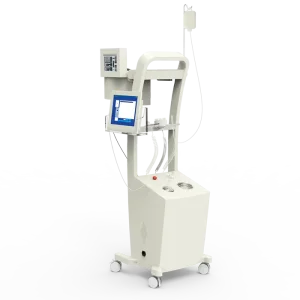
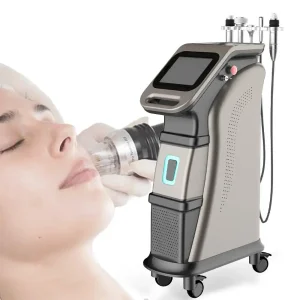
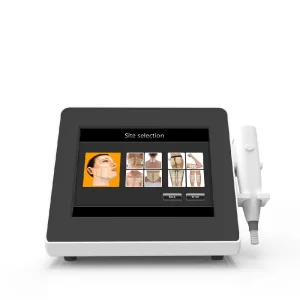
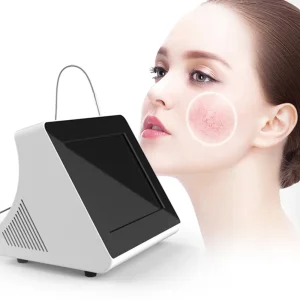
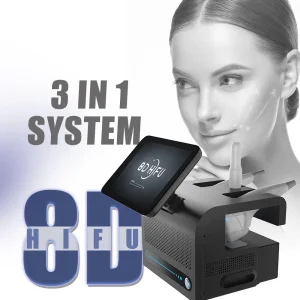
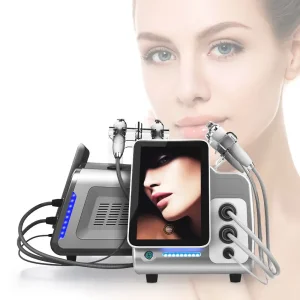
In addition to advanced 3D skin analyzers, SANO supplies a full suite of medical-grade laser, cooling, body sculpting, and vascular treatment platforms.
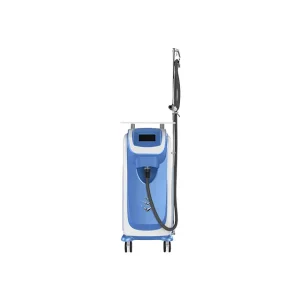

Engineering and logistical insights directly from our export technical desk to help you make informed equipment investments.
Elevate your Manila aesthetic practice or distribution inventory with medical-grade 3D skin analyzers and laser platforms. Contact our engineering desk today for direct factory pricing, technical specifications, and OEM customization packages.
Send Inquiry Now