- +86 136 8127 5833
- [email protected]
- Shunyi, Beijing, China
Flagship medical laser & fractional platforms engineered for Canadian clinical compliance and high-patient-volume demands.
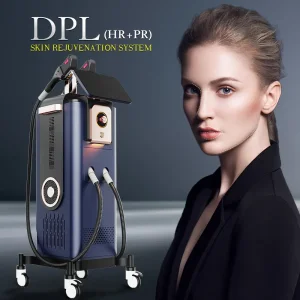
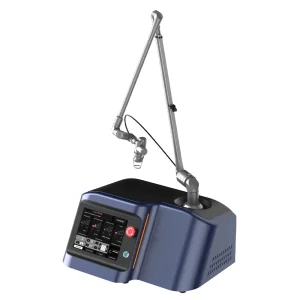
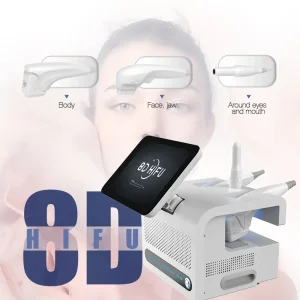
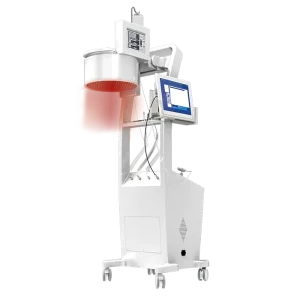
Understanding demographic shifts, clinical requirements, and patient expectations across Toronto, Vancouver, Montreal, and Calgary medspa sectors.
The Canadian medical aesthetics sector is currently undergoing a structural evolution. Driven by rapid urbanization in major metropolitan areas such as the Greater Toronto Area (GTA), Metro Vancouver, and Montreal, demand for corrective dermatological procedures has reached an all-time high. Among non-invasive procedures, acne scar revision stands out as a primary revenue generator for medical spas, dermatology clinics, and cosmetic surgery practices.
Acne vulgaris affects over 5.6 million Canadians—roughly 20% of the population—with severe post-acne scarring developing in up to 30% of moderate-to-severe cases. For clinic owners and equipment distributors, navigating the procurement of energy-based devices (EBDs) requires balancing clinical efficacy, safety profiles across diverse skin types, and capital expenditure (CapEx) efficiency.
Canada’s distinct subarctic and cold continental climate zones directly influence patient treatment scheduling. During the harsh winter months (November to April), reduced ultraviolet radiation index creates an ideal clinical window for aggressive ablative treatments like Fractional CO2 Laser Resurfacing. Conversely, during summer months, practitioners pivot toward non-ablative, epidermal-sparing modalities such as Vacuum RF Microneedling and Narrow-Spectrum DPL (Dye Pulsed Light).
Forward-thinking Canadian procurement directors prioritize multi-modality platforms or dual-technology integration, allowing clinics to maintain consistent patient booking schedules throughout the year regardless of season.
An engineering analysis of thermal coagulation, micro-ablative vapor channels, and radiofrequency dermal contraction for Atrophic, Boxcar, Icepick, and Rolling Scars.
Utilizes ultra-pulsed micro-beams to create Microscopic Treatment Zones (MTZs) in dermal tissue. Water-targeted chromophore heating triggers instant collagen contraction and long-term neo-collagenesis. Ideal for severe icepick and deep boxcar scars in Fitzpatrick I–III skin types during low-UV Canadian winters.
Combines mechanical physical subcision via micro-needles with targeted radiofrequency thermal energy delivered directly to the reticular dermis. Bypasses epidermal melanocytes, making it the safest gold-standard choice for Fitzpatrick IV–VI skin tones year-round in Canada.
Delivers targeted pulsed light to eradicate post-inflammatory erythema (PIE) and post-acne macular vascular stains. High peak power with narrow spectrum target absorption selectively coagulates micro-vessels without damaging surrounding cutaneous structures.
When Canadian medical equipment buyers source machinery from direct OEM factories, technical parameters must be thoroughly evaluated against clinical benchmarks. Below is the standardized performance matrix for top-tier acne scar hardware:
| Technology Modality | Energy Source / Waveband | Target Penetration Depth | Primary Scar Indication | PIH Risk Level (Fitz IV-VI) |
|---|---|---|---|---|
| Super-Pulse Fractional CO2 | RF-Excited Metal CO2 Tube (10,600nm) | 0.1mm – 2.0mm (Adjustable) | Deep Icepick & Boxcar Scars | Moderate to High (Requires Protocol) |
| Insulated Vacuum RF Microneedle | Mono/Bipolar RF (2MHz - 4MHz) | 0.5mm – 4.0mm (Stepping Motor) | Rolling Scars & Fibrotic Tethering | Very Low (Epidermal Sparing) |
| Spectrum DPL Phototherapy | Narrowband Xenon Flash (500-600nm) | 0.5mm – 1.5mm (Dermal-Epidermal) | Post-Acne Erythema (PIE) & Stains | Low (Contact Cooling Assisted) |
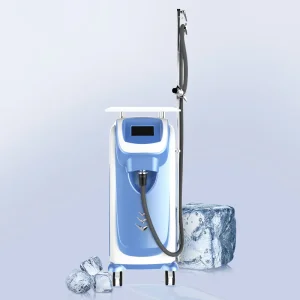
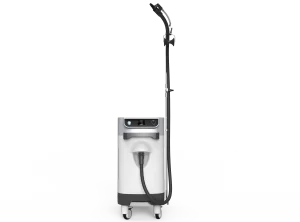
| Sub-Dermal Cold Air Chiller | Compresor Cryo Air (-35°C Output) | Epidermal Thermal Protection | Analgesic & Epidermal Cooling | N/A (Safety Support System) |
Navigating Canadian regulatory pathways, MDEL licensing, CSA SPE-1000 field approvals, and localized operational infrastructure.
Importing medical aesthetic devices into Canada requires strict adherence to federal and provincial regulatory frameworks. The Therapeutic Products Directorate (TPD) of Health Canada regulates medical devices under the Food and Drugs Act. Energy-based acne scar equipment falls under Class II or Class III medical device categories, depending on energy emission types and tissue invasiveness.
Any Canadian entity importing or distributing medical aesthetic laser equipment must hold an active MDEL. As an OEM/ODM manufacturing factory partner, Chinese manufacturers supply comprehensive technical documentation files, including ISO 13485 Medical Device Quality Management System certificates, full IEC 60601-1 (Electrical Safety) and IEC 60601-2-22 (Laser Safety) test reports, and CB Scheme credentials to facilitate seamless MDEL registration and device listing.
Canadian electrical codes enforce rigid compliance standards. Equipment shipped into provinces like Ontario (ESA), British Columbia (TSBC), or Quebec (RBQ) must carry recognized electrical marks (such as cULus, CSA certification) or undergo a local SPE-1000 Field Evaluation prior to commercial operation. Leading original equipment manufacturers ensure internal power supplies (e.g., Mean Well medical-grade transformers) meet 110V/60Hz dual-voltage Canadian grid stability standards with ground leakage thresholds under 300µA.
In accordance with Canadian federal regulations and regional laws (e.g., Quebec’s Charter of the French Language - Bill 96), advanced medical equipment sold to Canadian practices must support **bilingual software interfaces (English and Canadian French)**. OEM manufacturing platforms enable customizable GUI software, pre-programmed clinical protocols categorized by Fitzpatrick skin type, and branded clinic startup logos.
Rapid dispatch of modular replacement components (laser handpieces, power modules, solenoid valves) stocked within North American warehouse hubs to guarantee 48-hour turnarounds for Canadian clinics.
Direct access to biomedical engineers and clinical trainers via live video sessions, supplying Canadian practitioners with optimized pulse-duration parameter tables and safety protocols.
Specialized export packaging featuring humidity control, vibration damping, and freeze-resistant internal fluid circulation systems designed for sub-zero Canadian transit corridors.
Why leading North American aesthetic distributors partner directly with Beijing tier-1 manufacturing facilities for capital equipment production.
The global landscape of medical aesthetic device manufacturing has shifted dramatically. China’s advanced optical-electronics industrial clusters—centered in Beijing and Guangdong—now produce over 60% of the world’s energy-based aesthetic machinery core hardware. Partnering directly with an established original equipment manufacturer (OEM) provides Canadian enterprises with decisive market advantages:
High-quality Chinese factories do not compromise on internal optics or power management. Premier acne scar equipment incorporates elite international components:
Traditional North American or European medical laser brands sell fractional CO2 systems or RF microneedling units for anywhere between $90,000 to $160,000 USD. Direct factory OEM procurement from verified Beijing manufacturers reduces unit acquisition costs by 60% to 75% while maintaining identical or superior technical parameters (e.g., higher peak wattage, multi-handle integration).
Partner directly with Beijing's premier medical aesthetic OEM/ODM factory. Custom chassis colors, GUI branding, and full technical documentation engineered for Canadian regulatory approval.
Send Inquiry NowTop-tier manufacturing facilities enforce stringent quality assurance checkpoints prior to international crate sealing:
Key R&D directions shaping the next 5 years of medical aesthetic scar treatment equipment.
Integrated high-definition skin analyzers using computer vision to map scar depth, fibrotic density, and epidermal melanin indices, auto-setting pulse width and energy fluence in real time.
RF Microneedling tips equipped with real-time tissue impedance sensors. The device adjusts radiofrequency wattage millisecond-by-millisecond to prevent focal hot-spots and skin burns.
Combining focused high-intensity shockwaves with traditional micro-ablative lasers to mechanically sever fibrotic bands beneath rolling scars without manual cannula subcision.
Expert technical and commercial answers for clinic directors, biomedical engineers, and equipment importers.
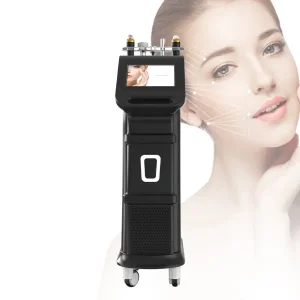
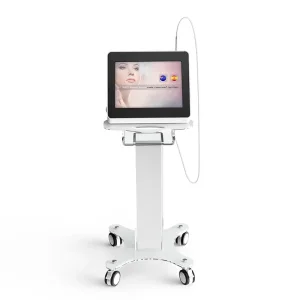
Explore our expanded suite of body sculpting, cooling support, RF microneedling, and vascular clearance devices.
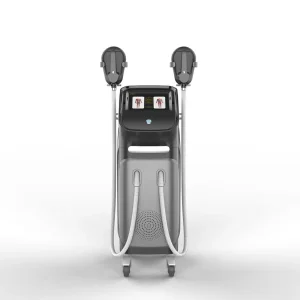
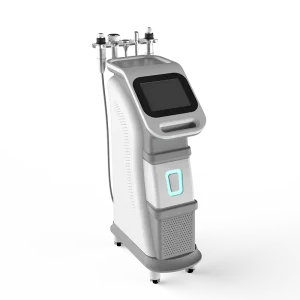
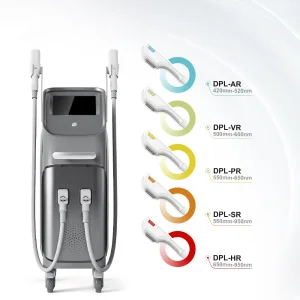
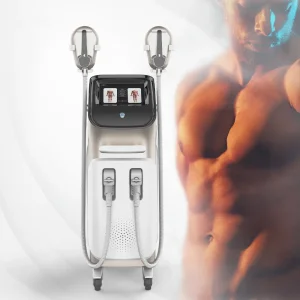
Contact our biomedical engineering desk today to request catalog specs, factory direct OEM pricing, and Health Canada compliance dossiers.
Send Inquiry Now