- +86 136 8127 5833
- [email protected]
- Shunyi, Beijing, China
Advanced laser platforms engineered for multi-climate resilience, long working cycles, and clinical efficacy.
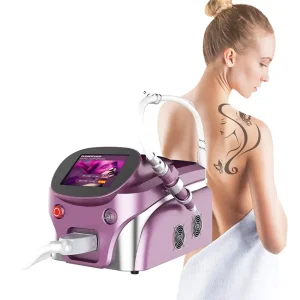
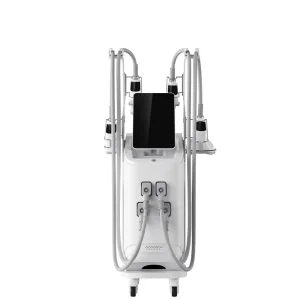
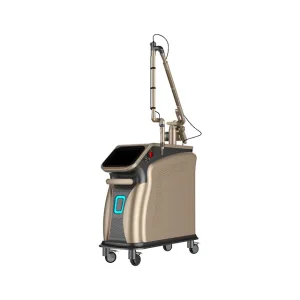
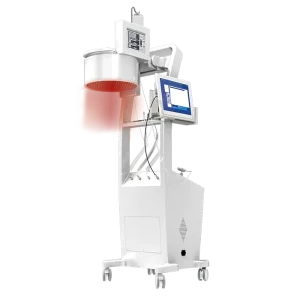
The cosmetic and aesthetic dermatology sector across West Africa, particularly in urban hubs like Accra, Kumasi, Takoradi, and Tema, is undergoing an unprecedented structural transition. Increasing disposable income, rapid urbanization, and heightened consumer awareness regarding non-invasive body grooming have positioned professional permanent hair reduction as one of the fastest-growing clinical services in Ghana. However, operating aesthetic laser machinery in West Africa presents distinct physiological and environmental challenges that demand advanced, purpose-built medical laser engineering.
A primary factor defining the Ghanaian aesthetic market is the predominance of Fitzpatrick Skin Types IV, V, and VI. Traditional single-wavelength 808nm diode lasers, while effective on lighter skin tones, pose a heightened risk of epidermal thermal injury, hyperpigmentation, or hypopigmentation when applied to darker skin without exact fluence regulation and long pulse duration parameters. As a direct result, aesthetic clinics, dermatological practices, and commercial wellness centers in Accra are seeking specialized OEM/ODM manufacturers capable of delivering triple-wavelength (755nm / 808nm / 1064nm) or dedicated 1064nm diode laser hair removal systems engineered with high optical power density and ultra-low thermal relaxation times.
To achieve successful photo-thermolysis without compromising the epidermal barrier on melanin-rich skin, laser operators must navigate the narrow therapeutic window between follicular destruction and epidermal thermal degradation. Melanin in the basal layer of Fitzpatrick Type V and VI skin absorbs optical energy readily. If energy is delivered via short pulse widths or incorrect wavelengths, thermal diffusion into the surrounding skin tissue causes severe post-inflammatory hyperpigmentation (PIH) or blistering.
| Wavelength Band | Target Chromophore | Penetration Depth | Primary Clinical Indication in Ghana | Safety Index (Fitzpatrick V-VI) |
|---|---|---|---|---|
| 755nm Diode | High Melanin Absorption | Superficial Dermis (2.0 - 2.5 mm) | Fine Hair, Facial Hirsutism, Light Skin Tones | Moderate (Requires TEC Cooling) |
| 808nm Diode | Balanced Melanin / Hemoglobin | Mid Dermis (3.0 - 4.0 mm) | Standard Body Hair (Arms, Legs, Chest) | High (With Adjustable Pulse Width) |
| 1064nm Diode | Deep Hair Follicle Matrix | Deep Dermis & Subcutaneous (>5.0 mm) | Coarse Hair, Deep Roots, Dark Skin Phototypes | Maximum (Gold Standard for Type VI) |
As a leading Beijing-based medical aesthetic device manufacturer, SANO Laser utilizes China's advanced Industry 4.0 industrial infrastructure to solve long-standing supply chain issues for international buyers. Historically, clinics in West Africa faced exorbitant markup prices from European or American brand re-sellers, coupled with long lead times for replacement components like diode bar stacks, high-voltage power units, or TEC cooling chips.
By establishing vertically integrated manufacturing facilities—comprising automated SMT circuit assembly, optical beam calibration labs, and clean-room handpiece assembly lines—China's top-tier manufacturers offer profound structural advantages:
Exporting high-power diode laser hair removal systems to West Africa requires specialized hardware adaptation. Ambient temperatures in cities like Accra routinely exceed 32°C with high relative humidity. Furthermore, electrical grid fluctuations, sudden power surges, or minor brownouts can damage sensitive solid-state laser electronics if adequate protection systems are omitted.
SANO Laser's dedicated engineering export desk incorporates critical design features specifically for the Ghanaian commercial environment:
Partner directly with a certified Chinese OEM/ODM factory. We provide full technical dossiers, CE/FDA documentation support, customized language interfaces, and fast air-freight logistics directly to Accra.
Send Inquiry NowIn-depth technical answers addressing operational compliance, skin safety protocols, and commercial equipment procurement.
Intense Pulsed Light (IPL) emits broad spectrum non-coherent light (usually 510–1200nm). Because IPL lacks precise optical monochromaticity, a high proportion of energy is absorbed by superficial epidermal melanin, creating an extreme risk of burns and hyperpigmentation on Fitzpatrick skin types IV–VI. Conversely, triple-wavelength diode lasers deliver coherent, focused light with high fluence, allowing the 1064nm component to reach deep hair roots while preserving dark skin tissue.
While SANO machines are equipped with active TEC semiconductor cooling and heavy-duty water pumps, we recommend operating aesthetic lasers in air-conditioned treatment rooms maintained between 20°C and 24°C. Additionally, using distilled or deionized water for internal cooling circuits prevents mineral scale buildup inside the micro-channel laser bar stacks.
Yes. As a direct OEM manufacturer, SANO Laser provides tailored branding options for distributors and high-volume clinic chains. This includes custom casing paint schemes, laser-engraved corporate logos on handpiece caps, customized boot-screen graphics, and multi-language software options (English, French, Spanish, Portuguese, Arabic, etc.).
Given the high demand for body grooming, beard line shaping, and anti-folliculitis treatments in Accra, a medspa charging average market rates for full-body or targeted laser hair removal packages can typically amortize the initial hardware investment within 3 to 6 months of steady operation, backed by SANO’s low maintenance and zero-consumable handpiece architecture.
Explore our full range of medical-grade laser, HIFU, RF, and body contouring systems engineered for global healthcare standards.
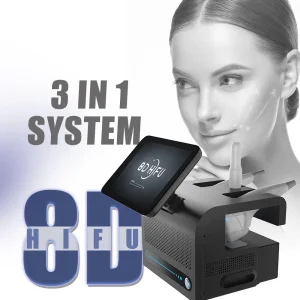
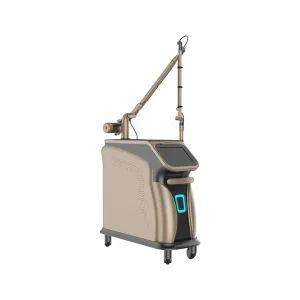
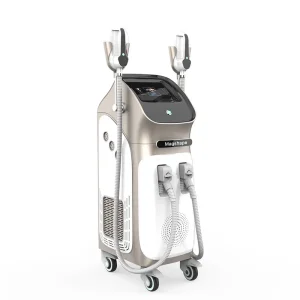
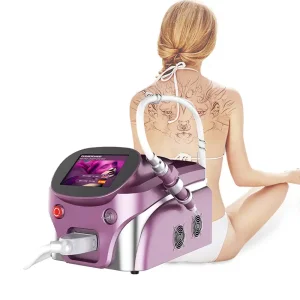
Inquire now for direct factory pricing, freight estimates to Tema/Accra ports, detailed technical parameters, and clinical trial reports.
Send Inquiry Now