

- +86 136 8127 5833
- [email protected]
- Shunyi, Beijing, China
Comprehensive B2B Industrial Whitepaper: Technical Laser Engineering, Supply Chain Integration, and Clinical Protocols for Medical Aesthetic Importers & Clinics in Vietnam
Send Inquiry NowEngineered for high-volume medspas and dermatology centers in Saigon. Certified CE/ISO platforms designed for superior dermal ink clearance and skin rejuvenation.
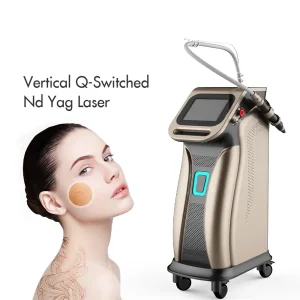
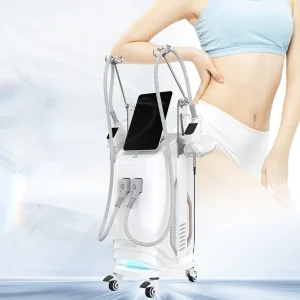
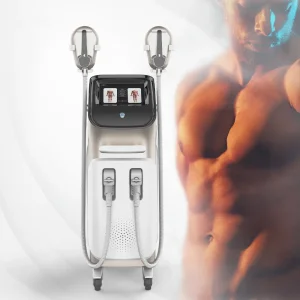
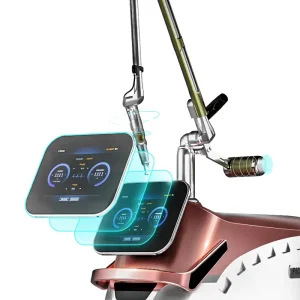
Ho Chi Minh City (HCMC), serving as Vietnam’s primary economic powerhouse and modern lifestyle center, is undergoing an unprecedented boom in dermatological non-invasive procedures and medical aesthetics. Driven by an expanding middle class, heightened personal grooming standards, and the rapid growth of beauty hubs across District 1, District 3, and Thu Duc City, the demand for advanced laser tattoo removal and dermal pigmentation treatment has skyrocketed.
Unlike Western markets where body art removal dominated early demand, the HCMC market exhibits a unique dual demand profile:
E-E-A-T Clinical Insight for Skin Type IV-V: The dominant skin phototype in Ho Chi Minh City ranges between Fitzpatrick IV and V. Treating melanin-rich skin with sub-standard or unstable laser systems poses severe risks of heat accumulation, epidermal blistering, and secondary hyper- or hypopigmentation. Top Chinese laser manufacturers addressing the HCMC market engineer high-peak-power, short-pulse-width systems that prioritize photo-acoustic shockwave fragmentation over photo-thermal damage.
Delivering gigawatt-level peak power in picoseconds to pulverize ink particles into microscopic dust, allowing rapid lymphatic clearance with minimal epidermic heat shock.
Standard configurations feature 1064nm (black/blue ink), 532nm (red/warm tones), 585nm (sky blue), and 650nm (green), providing full-spectrum ink targeting capability.
Engineered to keep thermal relaxation times far shorter than surrounding tissue thresholds, dramatically mitigating PIH risk on Vietnamese skin types.
In the global medical aesthetic device manufacturing sector, Chinese factories based in industrial clusters such as Beijing, Guangdong, and Jiangsu have transitioned from low-cost assemblers into pioneering R&D engineering powerhouses. By integrating imported premium core components—such as electro-optic Q-switches, Korean 7-joint articulated light guide arms, and high-purity Nd:YAG laser rods—China suppliers offer medspas in Ho Chi Minh City medical-grade machinery at a fraction of European or American capital expenditure.
Tattoo pigments consist of insoluble metallic salts (titanium dioxide, iron oxide, carbon black) encapsulated inside dermal macrophages. Effective removal requires shattering these pigment structures without damaging the collagen matrix or epidermis.
| Technical Parameter | Traditional Nanosecond Q-Switched Nd:YAG | Advanced Picosecond Nd:YAG / Alexandrite | Clinical Consequence for HCMC Patients |
|---|---|---|---|
| Pulse Width | 5ns – 10ns (Nanoseconds) | 350ps – 750ps (Picoseconds) | Picosecond pulse generates 90%+ acoustic shock, reducing total sessions required by half. |
| Primary Mechanism | Photo-Thermal (Heat expansion) | Photo-Acoustic (Pressure wave) | Minimal surrounding heat dissipation means significantly lower pain and minimal scarring. |
| Particle Shattering Size | Pebble-sized fragments | Microdust-sized particles | Dust-sized ink particles are ingested and cleared faster by the human lymphatic system. |
| Epidermal Safety (Fitzpatrick IV-V) | Moderate PIH Risk (Requires long intervals) | Ultra-Low PIH Risk (Safe for frequent treatments) | Crucial for high-melanin skin types prevalent across Ho Chi Minh City and Southern Vietnam. |
| Capital Investment (USD) | $3,000 – $7,000 Direct Factory Price | $8,000 – $18,000 Direct Factory Price | Fast return on investment (ROI) within 3 to 6 months of clinic operation. |
Leading Chinese laser factories export directly to Vietnam, supplying modular setups that feature heavy-duty water cooling, dual TEC semiconductor refrigeration, and real-time energy calibration meters. This robust industrial design guarantees stable power output even in Saigon’s hot and humid tropical ambient conditions (averaging 30°C–35°C year-round).
Geographical proximity, bilateral trade agreements, and flexible manufacturing make China the ideal supply source for Vietnamese aesthetic chains.
Thanks to the ASEAN-China Free Trade Area (ACFTA), importers in Vietnam holding a Form E Certificate of Origin enjoy 0% or greatly reduced import tariffs on medical laser equipment (HS Code 9018.90). Direct land transit via Guangxi/Lang Son or ocean freight directly to Cat Lai Port (HCMC) reduces transit times to 5–10 days, minimizing inventory holding costs.
Top Chinese factories accommodate white-label branding, customized chassis paint, localized Vietnamese touch-screen interfaces, and pre-programmed clinical parameters tailored to regional skin conditions. This allows medspa franchises in Saigon to build proprietary device branding without high R&D expenditure.
Reliable manufacturers provide 2-year full warranties backed by modular spare-part swaps. Video diagnostic channels, direct engineer communication via Zalo or WhatsApp, and rapid spare-part shipping ensure zero operational downtime for high-volume clinics in HCMC.
Importing medical equipment into Vietnam requires compliance registration with the Department of Medical Equipment and Construction (DMEC) under the Ministry of Health. Tier-1 China factories provide full CE technical files, ISO 13485 audit reports, and safety testing documentation required for seamless customs clearance.
To successfully integrate high-end laser tattoo removal platforms into an aesthetic practice in Ho Chi Minh City, clinic operators must establish standard operating protocols (SOPs) that address environmental cooling, skin prep, and combination therapies.
Skin evaluation using VISIA skin analysis to determine epidermal melanin density. Application of topical lidocaine (10.56% concentration widely used in Vietnam) for 30 minutes prior to laser exposure.
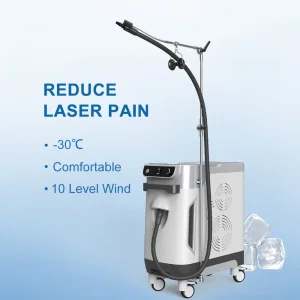
Simultaneous application of sub-zero cold air (-30°C skin cooling system) alongside laser pulses. This protects the epidermis, reduces immediate pain by 80%, and prevents thermal damage to surrounding tissue.
Application of medical-grade EGF (Epidermal Growth Factor) hydrogel dressings and mandatory broad-spectrum SPF 50+ sunscreen to prevent post-treatment UV-induced pigmentation in Southern Vietnam's sunny climate.
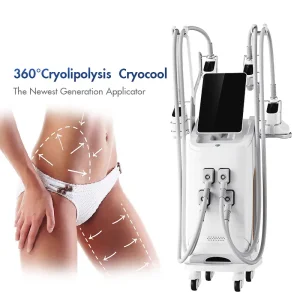
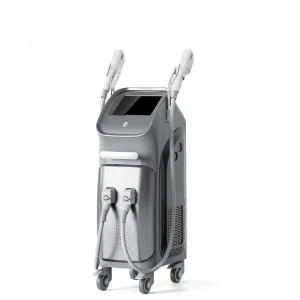
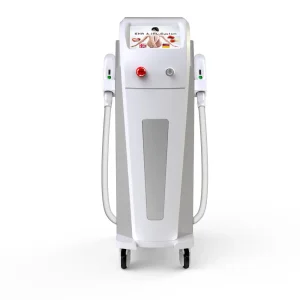
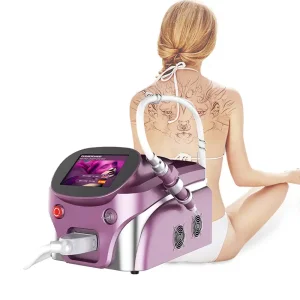
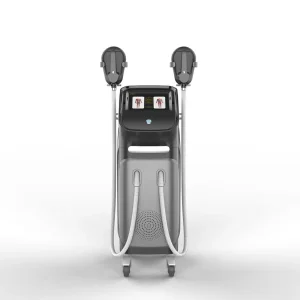
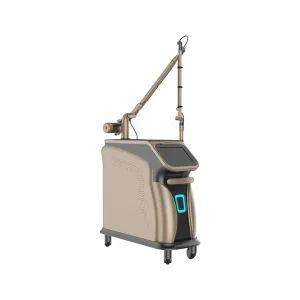
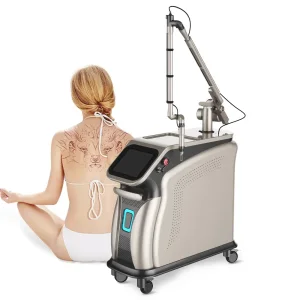
Explore our complete range of certified aesthetic devices engineered for high durability, superior efficacy, and fast profitability in the Vietnamese market.
Direct B2B procurement from Chinese manufacturing plants requires an understanding of import compliance regulations established by the Vietnamese government. Ensuring smooth customs entry and legal clinic operation in Ho Chi Minh City involves five essential steps:
Laser tattoo removal and aesthetic devices typically fall under Class B or Class C medical equipment depending on power output and invasive depth. Importers in Vietnam must apply for a Public Declaration of Classification on the DMEC portal prior to clearance.
Ensure your Chinese manufacturer issues an official Certificate of Origin (Form E). This allows Vietnamese customs agents to apply preferential duty tariffs (0% to 5% instead of standard 15%+ MFN rates), maximizing profit margins.
Vietnam operates on a 220V/50Hz electrical standard. Premier Chinese suppliers customize internal power supplies using industrial-grade Mean Well modules with automatic voltage stabilization to withstand local grid fluctuations in Saigon.
Due to Ho Chi Minh City’s ambient humidity and heat, laser cavity cooling must utilize Japanese water pumps paired with dual TEC active chiller modules to prevent laser rod overheating during continuous daily operations.
Direct technical and commercial answers for clinic directors, distributors, and purchasing managers in Ho Chi Minh City.
Picosecond lasers deliver ultra-short pulse durations (down to 450ps), converting light energy into a mechanical photo-acoustic shockwave. This shatters ink particles into microscopic dust without heating surrounding tissue, reducing the risk of Post-Inflammatory Hyperpigmentation (PIH) which is common in Asian/Fitzpatrick IV-V skin types in Vietnam.
Via express air freight or overland expedited logistics through Guangxi to HCMC, delivery takes approximately 5 to 7 business days. Standard sea freight to Cat Lai Port takes around 8 to 12 days. Leading factories maintain ready-to-ship stock for standard configurations.
Yes. Premier OEM/ODM factories offer full software customization, including native Vietnamese language user interfaces, logo branding on startup screens, custom casing colors, and pre-set clinical treatment protocols specifically designed for local operators.
All machines come with a 2-year factory warranty. Diagnostics are performed via remote video log inspection. Spare parts (such as flash lamps, handpieces, power supplies, or filters) are dispatched immediately via DHL/FedEx, typically arriving in HCMC within 3 to 4 days.
1064nm is the primary choice for dark brown, grey, and black pigmentations. For red, pink, or orange cosmetic inks, a 532nm wavelength is necessary. High-end Chinese picosecond platforms include both 1064nm and 532nm wavelengths, alongside specialized fractional handpieces for skin rejuvenation.
Suppliers provide complete documentation packages, including ISO 13485 quality management certificates, CE compliance documentation, Certificate of Free Sale (CFS), Factory Testing Protocols, and Form E Certificates of Origin for tariff exemption.
Elevate your Ho Chi Minh City aesthetic clinic or distribution enterprise with certified, medical-grade laser tattoo removal technology. Enjoy direct factory pricing, full OEM customization, and dedicated technical support.
Send Inquiry Now & Get Factory Quote