- +86 136 8127 5833
- [email protected]
- Shunyi, Beijing, China
Explore our premium, CE-certified OEM/ODM medical equipment portfolio, manufactured under strict ISO13485 standards for global distributors and high-volume clinical practices.
The global non-invasive aesthetic devices market is experiencing an unprecedented structural shift. Among non-ablative facial treatments, hydradermabrasion technology—commonly referred to as hydro-dermabrasion or vortex aqua peeling—has transitioned from an elective luxury pampering service into a foundational clinical modality. Medical spas, aesthetic dermatology chains, and commercial wellness centers globally regard hydradermabrasion systems as primary client acquisition and retention engines.
According to recent medical aesthetics procurement data, the demand for high-performance, multi-functional hydradermabrasion platforms is projected to grow at a CAGR of 12.4% through 2030. Driven by consumer preferences for zero-downtime, instant-radiance, and pain-free treatments, global B2B buyers (distributors, clinic chains, brand importers) are actively re-evaluating their sourcing frameworks. Buyers are shifting away from high-markup, proprietary-lockout Western brands toward tier-one wholesale manufacturers and OEM/ODM factories in China capable of delivering superior fluid dynamics, medical-grade component reliability, and modular technology integration.
This whitepaper provides an exhaustive technical and commercial evaluation designed for procurement executives, brand owners, medical directors, and aesthetic device distributors. It dissects the mechanical engineering of hydradermabrasion, analyzes China’s advanced Smart Factory 4.0 ecosystem, evaluates localized global deployment strategies, and outlines crucial compliance audit steps.
To understand the competitive differentiation among wholesale hydradermabrasion manufacturers, buyers must analyze the underlying mechanical and electrical engineering. Legacy microdermabrasion relied on dry aluminum oxide crystals or diamond-tipped wands to mechanically abrade the stratum corneum. This method frequently caused micro-tears, severe erythema, and increased risk of post-inflammatory hyperpigmentation (PIH) in Fitzpatrick Skin Types IV–VI.
Modern professional hydradermabrasion replaces dry abrasion with an advanced closed-loop hydrodynamic microfluidic circuit. The mechanism operates on three simultaneous vectors:
Utilizing high-torque, dual-head diaphragm vacuum pumps, the system delivers negative pressure ranging from 60 kPa to 105 kPa. The handpiece tip creates a localized kinetic fluid vortex, pneumatic suction dislodges follicular debris, sebum plugs, and hyperkeratinized cells while instantaneously infusing nutrient solutions.
By adjusting positive fluid flow through precision peristaltic metering pumps, specialized active serums containing low-molecular-weight Hyaluronic Acid, Salicylic Acid (BHA), Glycolic Acid (AHA), and botanical antioxidants are driven directly into the loosened epidermal layers.
Leading factories engineer multi-functional platforms combining hydradermabrasion with complementary non-invasive modalities: Bipolar RF for collagen remodeling, Ultrasonic Skin Scrubbers, Cold Cryo Hammers, Bio-Microcurrent lifting, and High-Purity Jet Oxygen Sprayers.
When auditing factory specifications, technical directors must look beyond external chassis aesthetics. The internal hardware architecture determines equipment lifespan, maintenance intervals, and clinical repeatability:
| Subsystem Component | Standard Market Grade (Low-End) | Tier-1 Factory Specification (SANO Standard) | Clinical & Operational Impact |
|---|---|---|---|
| Vacuum Pump Engine | Single DC motor (<50 kPa pressure) | Dual-stage heavy-duty medical pump (>95-105 kPa) | Prevents loss of suction during thick serum delivery; guarantees pore evacuation. |
| Fluidic Control Valves | Manual plastic petcocks | Solenoic electronic liquid valves with anti-clogging purge | Eliminates internal fluid cross-contamination and serum line blockages. |
| Internal Tubing Network | Standard PVC hose (prone to cracking) | Medical-grade anti-corrosive Silicone/PTFE tubing | Resists degrade from concentrated AHA/BHA chemical peels; prevents leaks. |
| Mainboard Architecture | Generic 8-bit consumer microcontroller | Industrial 32-bit ARM Cortex processor with real-time feedback | Ensures continuous stable vacuum pressure and precise digital serum dosage. |
| Chassis Build | Recycled ABS plastic shell | Medical-grade ABS + Sheet metal internal structural frame | Durable against transport damage; EMI/EMC shielded for hospital compliance. |
Through comprehensive search intent analysis across search engines and global medical procurement portals, commercial buyers exhibit distinct intent profiles depending on their position in the distribution chain. Understanding these intents enables leading factories to align their OEM/ODM services precisely with market requirements.
Primary Intent: Regulatory compliance, unit margins, failure rates, and spare parts supply security.
Primary Intent: Operational throughput, operator safety, treatment standardisation, and minimal downtime.
Primary Intent: Clinical efficacy, physiological parameter control, and hybrid treatment synergy.
The global dominance of Chinese aesthetic equipment factories in the wholesale hydradermabrasion sector is not merely a product of cost competitiveness; it is the result of deep industrial clustering, advanced smart manufacturing, and supply chain ecosystem integration. Facilities in key manufacturing hubs like Beijing and Guangdong have modernized into Industry 4.0 Smart Manufacturing Facilities.
China’s specialized industrial zones integrate optoelectronics, pneumatic engineering, precision injection molding, and PCB manufacturing within concentrated geographical radii. For hydradermabrasion production, this means components such as high-pressure peristaltic pumps, medical-grade silicone tubing, CNC-machined titanium tips, and HD capacitive displays are sourced, tested, and integrated with zero supply chain lag. This high density eliminates international component bottlenecking.
Top-tier factories operate under strict ISO13485 (Medical Devices Quality Management Systems) and ISO9001 standards. Every single hydradermabrasion machine undergoing factory gate check is subjected to a rigorous 48-hour continuous burn-in test cycle, comprising:
Hydradermabrasion systems perform distinct commercial roles depending on regional aesthetic preferences, regulatory landscapes, and clinic operational models. Wholesale buyers must tailor device configurations to their target market demography.
Focus: High-Throughput Express Treatments & Combined Therapies
In high-rent urban centers across North America and Europe, MedSpas utilize hydradermabrasion as a 30-minute "lunchtime facial." Clinics bundle hydro-peeling as mandatory skin preparation 2 weeks prior to performing non-ablative Fractional CO2, Diode Laser Hair Removal, or Picosecond tattoo/pigment treatments to maximize light energy penetration.
Focus: Multi-Functional All-in-One Aesthetic Hubs
In rapidly expanding markets such as Brazil, Mexico, Thailand, and Vietnam, aesthetic clinics prefer multi-system platforms (e.g., 6-in-1 or 8-in-1 hydradermabrasion workstations). Integrating Radiofrequency skin tightening, EMS facial toning, and Cryo cooling into a single cart maximizes treatment menu versatility while minimizing room space requirements.
Focus: High-End Luxury Spa & Intensive Hydration Protocols
Due to harsh arid climates, high solar exposure, and demanding luxury client expectations in Dubai, Riyadh, and Doha, medical centers demand ultra-high-pressure hydradermabrasion units equipped with high-concentration jet oxygen infusion modules and gold-plated microcurrent applicators for deeply hydrating, premium anti-aging rituals.
Below are authoritative answers to the most frequent technical, operational, and commercial questions raised by equipment importers, clinic operators, and supply chain auditors.
Clogging in low-quality hydro-facial machines occurs when acid residues crystallize inside standard narrow plastic tubing. Tier-1 manufacturers solve this engineering flaw by integrating an automated dual-circuit cleaning cycle. The system features a dedicated hot-water/disinfectant reservoir and solenoid valves that automatically flush internal fluid lines with reverse pressurized flow after every treatment session. Furthermore, internal tubing uses large-diameter anti-viscous PTFE fluoropolymer pipes.
For the European Union, equipment must comply with the Medical Device Regulation (MDR 2017/745) or low voltage/EMC directives with valid CE certification issued by an accredited Notified Body, alongside RoHS compliance for hazardous substances. For North America, devices fall under US FDA medical device classifications (Class I or Class II depending on invasive depth and light energy integration), requiring FDA registration, 510(k) clearance (for specific active energy modalities), and ETL/UL electrical safety verification.
When manufactured with industrial-grade brushless diaphragm vacuum pumps and solid-state PCB architecture, the core platform delivers an operational service life of 7 to 10 years under heavy daily clinical use. Consumable components—such as rubber O-rings, fluidic handpiece tips, and secondary inline micro-filters—should be replaced per standard clinic maintenance schedules (typically every 300 to 500 treatments) to preserve peak suction pressure.
Full-service OEM/ODM factories offer comprehensive customization tiers:
1) Exterior Branding: Custom injection mold color matching (RAL/Pantone), silk-screened logos, and custom metallic badging.
2) Software & Interface: Custom Linux or Android-based GUI software featuring distributor logo boot animations, localized language options (English, Spanish, German, French, Arabic, Russian), and custom treatment presets.
3) Hardware Modularization: Addition or removal of auxiliary handles (e.g., adding 448kHz CET/RET RF, Plasma shower handpieces, or customized solution bottle capacity).
High peak suction pressure is meaningless if pressure drops precipitously when liquid contacts the skin. Pressure stability reflects fluidic circuit design. Premium machines maintain a steady ±2 kPa tolerance during continuous liquid infusion via electronic pressure transducer feedback. This prevents skin bruising caused by erratic suction spikes while ensuring continuous, smooth exfoliation.
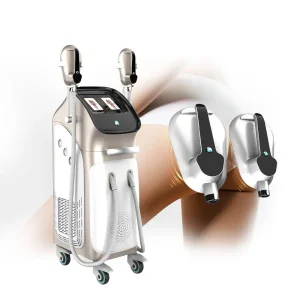
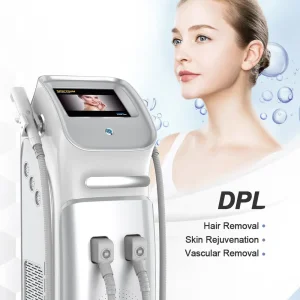
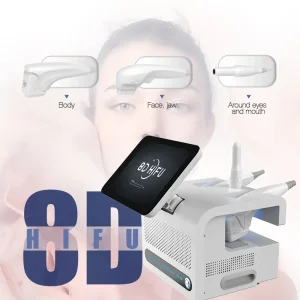
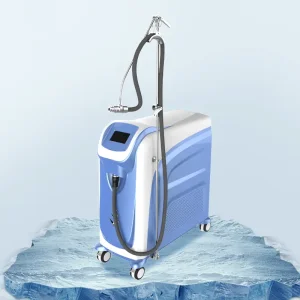
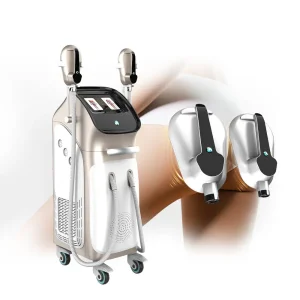
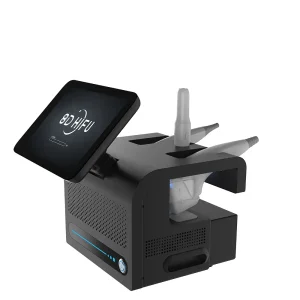
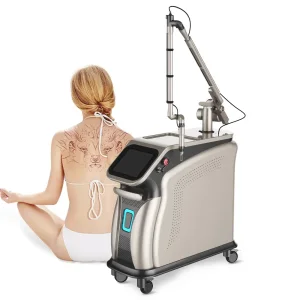
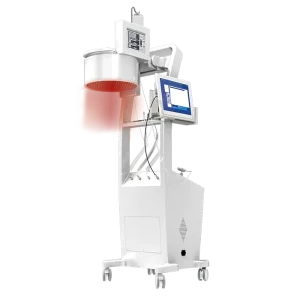
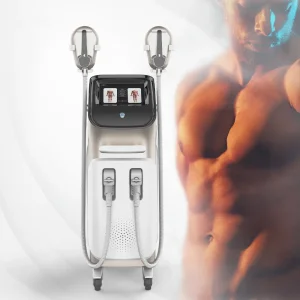
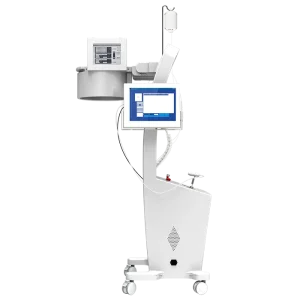
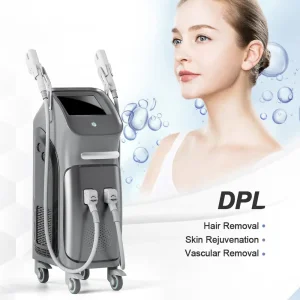
Discover our comprehensive suite of advanced clinical platforms engineered for body sculpting, hair regrowth, laser tattoo removal, and targeted vascular therapies.
Selecting the right wholesale hydradermabrasion manufacturer is a strategic capital decision that impacts your brand’s reputation, operational profit margins, and long-term business scalability. By evaluating manufacturers on mechanical fluid dynamics, pneumatic pump pressure ratings, quality assurance protocols, and OEM/ODM engineering capabilities rather than marketing surface claims alone, global buyers build resilient aesthetic supply chains.
As China’s Smart Manufacturing 4.0 ecosystem continues to innovate, top-tier factories stand ready to empower distributors, medspas, and aesthetic device brands worldwide with reliable, medical-grade, and commercially profitable platforms.