- +86 136 8127 5833
- [email protected]
- Shunyi, Beijing, China
Engineered to international clinical standards, offering precision parameter control, zero-consumable architecture, and robust structural safety.
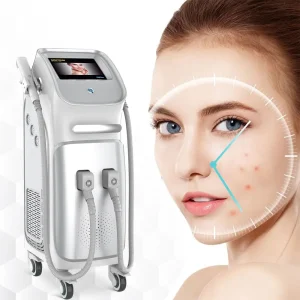
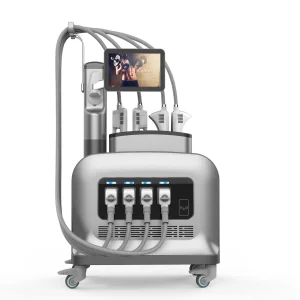
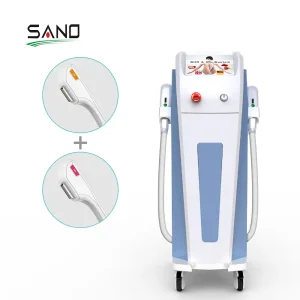
An authoritative breakdown of supply chain evolution, technology adoption curves, and non-invasive energy-based device market dynamics.
The global medical aesthetic equipment sector has entered a period of structural expansion. Driven by heightened consumer demand for non-ablative, minimal-downtime procedures, healthcare providers and cosmetic clinics are aggressively adopting energy-based devices (EBDs). Within this macro environment, original equipment manufacturing (OEM) and original design manufacturing (ODM) partners specializing in modern optical, radiofrequency (RF), focused ultrasound, and electromagnetic technology—collectively categorized under advanced xdhf manufacturing architecture—have shifted from traditional supply roles into strategic technical co-developers.
Direct oversight of optic fiber drawing, semiconductor laser mounting, and micro-channel liquid cooling loops drastically reduces system assembly variance and component failure rates.
Non-invasive body shaping and laser resurfacing modalities maintain an estimated 14.2% Compound Annual Growth Rate (CAGR) globally through 2030, outperforming invasive surgical alternatives.
Modern OEM xdhf suppliers integrate medical-grade ISO 13485 quality controls directly into assembly steps, ensuring readiness for MDR (EU) 2017/745 and FDA 510(k) clearances.
Historically, aesthetic equipment distributors operated within fragmented supply networks. Components were sourced independently across disparate geographic hubs, causing technical bottlenecks, thermal handling failures, and erratic pulse energies. Contemporary OEM xdhf manufacturing ecosystems eliminate these failure modes by consolidating optical engineering, electrical safety design, software control systems, and industrial housing design under rigid quality assurance pipelines.
Detailed analysis of diode alignment, photo-acoustic pulse generation, focused energy delivery, and active thermal management.
The foundation of reliable laser diode platforms lies in semiconductor emitter array geometry. OEM xdhf facilities utilize gold-tin (AuSn) hard solder bonding technology to mount diode bars onto micro-channel coolers (MCC). This design effectively disperses high heat densities (exceeding 100 W/cm²), preventing thermal degradation of the active junction layer during high-frequency continuous motion protocols.
By controlling bar-to-bar pitch and utilizing fast-axis collimation (FAC) lenses, beam divergence is constrained below 2 degrees, guaranteeing deep tissue penetration without scattering loss in superficial epidermal layers.
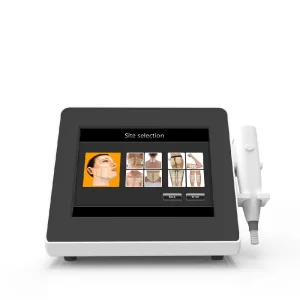
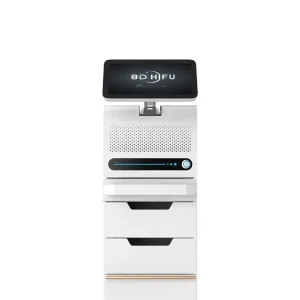
Precision acoustic lens grinding is paramount for focused ultrasound platforms. OEM xdhf suppliers utilize lead zirconate titanate (PZT) piezoceramic elements driven by dual-channel high-voltage resonant amplifiers. This precise design focuses acoustic energy precisely at target focal zones (1.5mm, 3.0mm, 4.5mm, 8.0mm, and 13.0mm).
At the focal spot, rapid mechanical compression induces localized thermal coagulation zones (TCZs) reaching 65°C–70°C. This triggers immediate collagen denaturation and long-term neocollagenesis within the Superficial Muscular Aponeurotic System (SMAS) without causing superficial thermal injury.
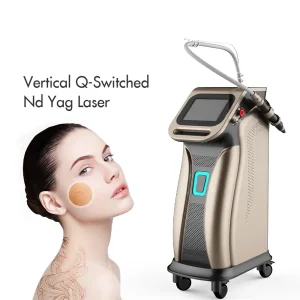
In selective photothermolysis, energy delivery must occur within a pulse duration shorter than the target tissue's Thermal Relaxation Time (TRT). Advanced OEM xdhf laser systems leverage real-time square-pulse power supplies (Pulse-Width Modulation down to 1ms-5ms), avoiding energy tailing. This ensures targeted destruction of chromophores (melanin, oxyhemoglobin) while preserving surrounding healthy tissue cells.
Next-generation innovations shaping intelligent energy-based devices over the next five years.
Integration of embedded neural processors within handpieces to monitor epidermal skin impedance and acoustic reflection 1,000 times per second. Algorithms dynamically modulate output fluence mid-pulse to completely eliminate burn risks on higher Fitzpatrick skin types.
Simultaneous emission matrices fusing 755nm, 808nm, 940nm, and 1064nm wavelengths into a single optical path. This allows clinicians to target superficial vascular networks and deep hair follicles simultaneously in a single treatment pass.
Transitioning from traditional compressor fluid pumps to high-efficiency thermoelectric ceramic cooling plates. This shift cuts handpiece weight by 40% while sustaining continuous -20°C contact cooling for 12+ hours of non-stop operation.
Operational blueprints for integrating OEM xdhf hardware into diverse medical spa environments.
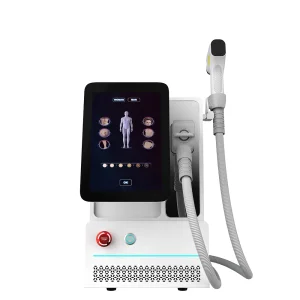
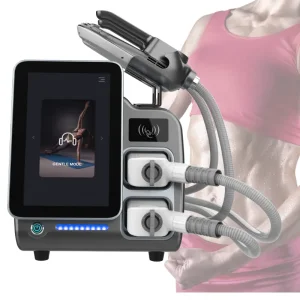
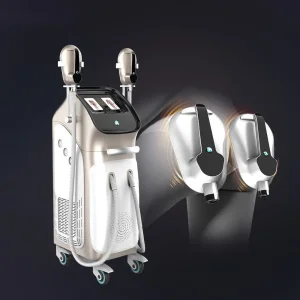
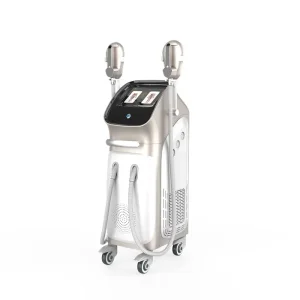
Urban practices require rapid patient turnover with minimal device recalibration time. Deploying quad-handle HI-EMT Magshape devices alongside 3000W high-power diode hair removal units enables double-room concurrent treatment schedules. Integrated software tracking records shot counts, diode operating temperature, and client usage history automatically.
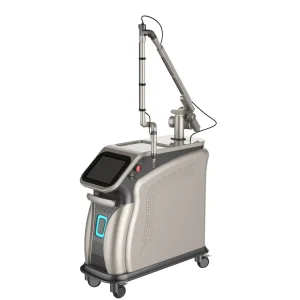
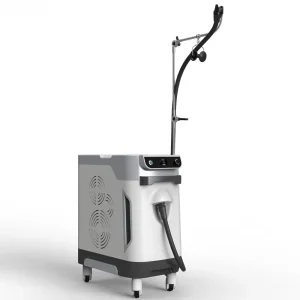
Dermatology settings prioritize clinical versatility across vascular, pigmented, and structural skin concerns. Utilizing dual-rod Picosecond lasers coupled with metal-RF-tube CO2 fractional systems allows operators to execute multi-layered resurfacing. Epidermal cooling air units (Zimmer system architecture) reduce patient discomfort, lowering the need for local topical anesthetics.
| Modality | Target Chromophore / Structure | Primary Clinical Indication | Cooling Requirement |
|---|---|---|---|
| 808nm / Triple-Diode | Melanin in Hair Shaft/Bulb | Permanent Hair Reduction | Continuous Sapphire Touch (-5°C) |
| 4D / Focused Ultrasound | SMAS Layer & Deep Dermis | Non-Surgical Face & Neck Lifting | Ultrasound Coupling Gel |
| Picosecond 1064/532nm | Exogenous Ink / Melanosomes | Tattoo Removal & Pigmentation | Forced Cold Air (-30°C) |
| HI-EMT Magshape | Motor Neurons / Muscle Fiber | Hypertrophy & Lipolysis | Internal Liquid Applicator Cooling |
How established factories maintain international compliance, rigorous burn-in testing, and brand-level white-label customization.
Every assembly line operates within a certified Medical Device Quality Management System. Critical processes—such as optical alignment, sealed laser cavity assembly, and wiring harness installation—are performed under Class 100,000 cleanroom environments to eliminate dust contamination.
Before leaving the factory, every finished machine undergoes a 72-hour continuous thermal and energy burn-in cycle. Power meters sample output stability, ensuring less than ±1.5% energy variance across 100,000 continuous shots.
Comprehensive ODM services include custom injection-molded chassis casing, customized UI graphical design, multi-language system translation, and firmware preset loading tailored to regional market regulatory standards.
In-depth responses to core engineering and procurement questions from distributors and medical buyers.
Explore our complete range of specialized equipment options, including portable systems, trichology platforms, and body shaping solutions.