- +86 136 8127 5833
- [email protected]
- Shunyi, Beijing, China
Explore our primary selection of medical-grade laser systems, vascular removal devices, RF platforms, and cooling equipment built to ISO 13485 and CE standards.
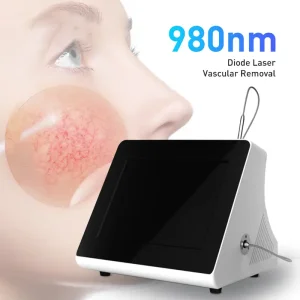
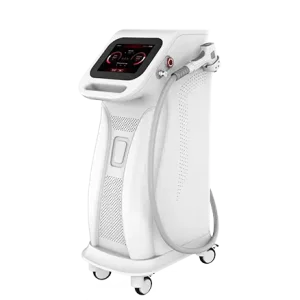
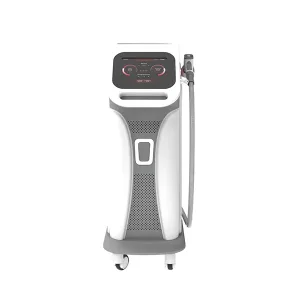
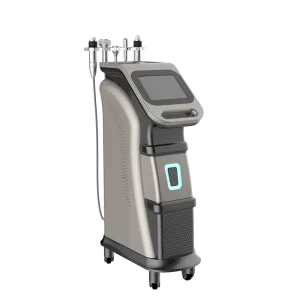
In the modern aesthetic medicine landscape, laser hair removal has evolved from a luxury cosmetic service into a clinical foundation for dermatology clinics, medical spas, and aesthetic franchises worldwide. At the core of this transformation is the principle of Selective Photothermolysis (pioneered by Anderson and Parrish). The fundamental goal of any professional laser hair removal machine is to deliver targeted optical energy to melanin within the hair follicle matrix without causing thermal damage to the surrounding epidermal and dermal tissues.
The 808nm diode wavelength represents the gold standard in hair reduction due to its optimal balance between melanin absorption and tissue penetration depth. Reaching deep into the reticular dermis, 808nm diode lasers effectively target the hair follicle bulge and bulb. OEM configurations range from 600W compact desktop units to 2000W+ vertical high-power clinical platforms.
Modern OEM manufacturing increasingly favors triple-wavelength matrix emitter stacks. By co-packaging Alexandrite (755nm), Standard Diode (808nm), and Nd:YAG (1064nm) diode bars within a single handpiece, operators can treat Fitzpatrick skin types I through VI in a single pass. 755nm targets fine superficial hair; 808nm handles high-density body hair; 1064nm minimizes epidermal absorption for dark/tanned skin.
Flashlamp-pumped solid-state lasers use crystal rods (such as Alexandrite or Nd:YAG) to yield intense peak powers. While historically expensive to maintain due to flashlamp replacements and optical alignment, custom OEM solid-state solutions remain sought-after by high-end dermatology practices requiring extreme peak energy for stubborn fine or dark skin hair removal.
Dye Pulsed Light (DPL) and Super Hair Removal (SHR) utilize filtered xenon flashlamps to generate narrow-spectrum light (typically 640nm–950nm). Operating at high repetition rates (10Hz) with low fluence in-motion sweeping techniques, these systems offer a cost-effective entry point for multi-functional beauty salons requiring both photo-rejuvenation and hair removal.
| Wavelength / Technology | Target Chromophore | Dermal Penetration | Optimal Fitzpatrick Skin Types | OEM Optical Bar Sourcing | Clinical Primary Indication |
|---|---|---|---|---|---|
| 755nm Alexandrite Diode | Melanin (High Absorption) | Superficial to Mid Dermis (2.0–2.5mm) | Types I – III | Coherent (USA) / Jenoptik (DE) | Fine, thin, residual hair post-treatment |
| 808nm Gold-Standard Diode | Melanin (Balanced) | Deep Dermis (3.0–3.5mm) | Types I – V | Macro/Micro-Channel Diode Stacks | Coarse body hair, legs, arms, beard area |
| 1064nm Nd:YAG Diode | Hemoglobin & Deep Melanin | Deep Subcutaneous (4.0–5.0mm) | Types IV – VI (Dark / Tanned Skin) | Custom High-Fluence GaAs Arrays | Deep seated follicles, intimate areas, dark skin |
| 755/808/1064nm Trio Matrix | Multi-Depth Chromophores | Variable Full-Depth Spectrum | Types I – VI (Universal) | Hybrid Micro-Channel Stack Array | All-inclusive clinical hair removal protocols |
For global aesthetic equipment brands, importers, and regional distributors, procuring directly from an established OEM/ODM manufacturer in China yields significant strategic advantages. Customization extends beyond simple branding; it involves comprehensive hardware, optical, software, and industrial design engineering.
Our factory provides full 3D CAD/CAM chassis prototyping, injection molding, and custom ABS/metal casing finishes. We engineer lightweight handpieces (under 350g) equipped with magnetic, interchangeable spot-size tips (e.g., 15x15mm, 15x26mm, and specialized 8mm facial/nasal tips) to optimize operator ergonomics and treatment speed.
Custom software interfaces are developed using Android or Linux OS platforms, featuring multi-language GUI options, preset clinical treatment parameters based on Fitzpatrick skin typing, customer data management, and IoT cloud diagnostic connectivity for remote error logging and pulse count tracking.
Epidermal protection relies on thermal cooling speed. Our OEM platforms integrate dual Thermo-Electric Cooling (TEC) Peltier modules coupled with Japanese DC water pumps and oversized copper radiators. This guarantees continuous contact sapphire cooling down to -15°C, ensuring virtually painless treatments even at fluences exceeding 40 J/cm².
We maintain ISO 13485 certified cleanroom manufacturing facilities. Our export team provides complete technical dossiers (STED), EMC electrical safety reports, IEC 60601-2-22 laser safety testing data, CE Medical (MDR) documentation, and FDA 510(k) supporting files to streamline local regulatory approval for brand owners.
China has established itself as the global manufacturing hub for aesthetic medical devices, offering an unparalleled ecosystem of optical components, precision machining, power electronics, and skilled engineering talent. As an established manufacturer based in Beijing, SANO Laser leverages this supply chain to deliver high-performance equipment at attractive capital expenditure points.
The optical emitter bar is the core component of any diode laser machine. We partner directly with premium laser bar producers such as Coherent (USA) and Jenoptik (Germany), alongside top-tier domestic gold-tin (AuSn) bonding specialists.
Understanding regional market demands allows equipment buyers to configure laser platforms for maximum Return on Investment (ROI) and treatment compliance.
High-volume franchises require durable, high-power vertical platforms with dual handpiece setups. Fast in-motion treatment modes (10-20Hz) reduce full-body treatment sessions from 60 minutes down to under 20 minutes, maximizing room turnover and clinic profitability.
Medical practitioners prioritize clinical outcome precision, fluence calibration accuracy, and broad skin tone safety. Multi-wavelength models with adjustable pulse duration (1ms to 400ms) allow precise thermal targeting of deep vascular or fine residual follicular structures.
Space-constrained or mobile practitioners demand compact, portable diode laser platforms (1200W output) housed in heavy-duty flight travel cases, offering high power output without requiring dedicated floor space.
Next-generation handpieces integrate real-time optical skin sensors that measure epidermal melanin density prior to pulse discharge. The internal firmware automatically calculates the optimal energy fluence ($J/cm^2$) and pulse width ($ms$), eliminating operator guesswork and reducing adverse side effects.
Increasing total optical emitter power enables ultra-short pulse widths (<10ms) while maintaining effective destructive energy fluences. Short pulse durations match the brief thermal relaxation time of thin hair, producing superior results on difficult fine vellus hair.
Transitioning from traditional TEC cooling plates to compact R290/R134a micro-compressor refrigeration circuits allows continuous 24-hour operation in ambient room temperatures up to 40°C without laser bar thermal shutdown.
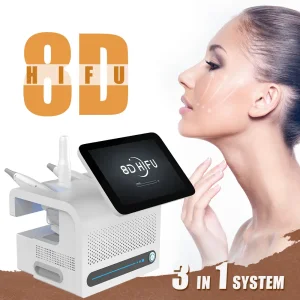
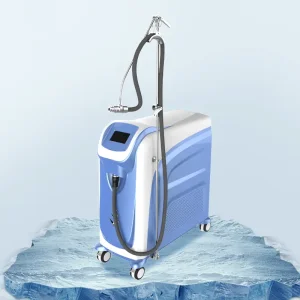
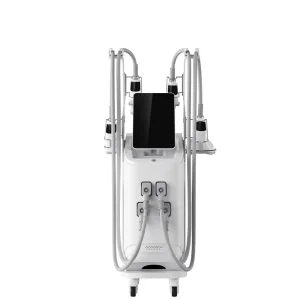
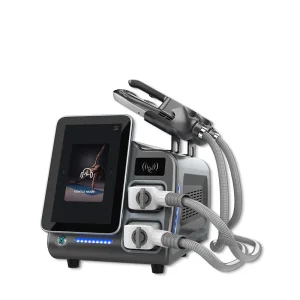
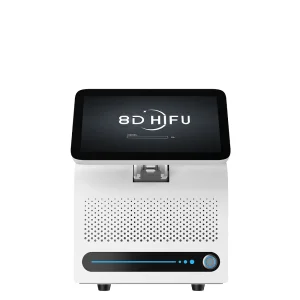
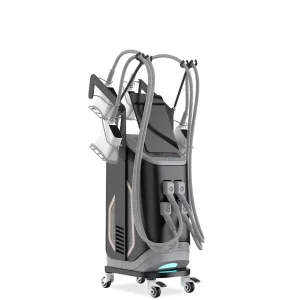
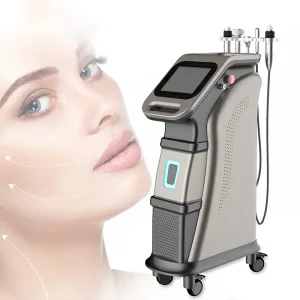
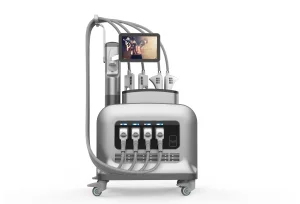
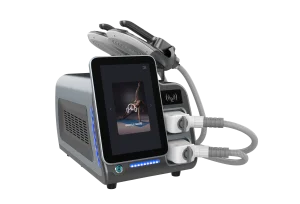
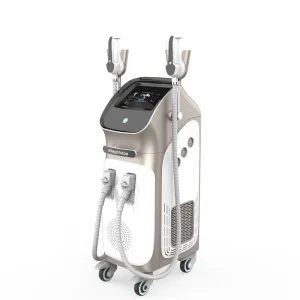
Complete your aesthetic clinic portfolio with our specialized fat freezing, EMS electromagnetic sculpting, HIFU, and fractional RF platforms.
Micro-channel diode stacks feature microscopic internal cooling channels directly integrated behind each laser bar, delivering rapid heat dissipation. This allows higher power density, longer bar lifespan (>50-100 million pulses), and continuous high-frequency output (up to 20Hz). Macro-channel bars utilize a unified back-plane cooling plate, which is easier to manufacture and less sensitive to water quality, but offers lower peak thermal conductivity.
A single wavelength presents optical trade-offs: 755nm excels at fine superficial hair but carries high epidermal melanin absorption risks on dark skin; 1064nm is ultra-safe on Fitzpatrick VI skin but less absorbed by fine blond hair. A synchronized triple-wavelength handpiece emits all three spectrums simultaneously in each pulse, covering deep hair bulbs, mid-dermis shafts, and superficial fine hairs in one unified application.
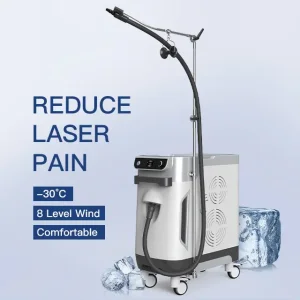
Thermo-Electric Cooling (TEC) Peltier chillers actively transfer heat away from the sapphire crystal window contacting the patient's skin. By maintaining the sapphire contact surface between -5°C and -15°C throughout treatment, the epidermis is continuously pre-cooled before, during, and after optical laser discharge. This preserves the skin barrier, reduces pain signals, and prevents post-inflammatory hyperpigmentation (PIH).
Our OEM services include customized industrial chassis designs, bespoke metallic paint finishes, custom screen logo boot sequences, personalized GUI color themes, branded handle caps, custom packaging flight cases, and full regulatory documentation stamped with your company name as the legal manufacturer or distributor.
Diode laser systems require deionized or distilled water replacement every 1 to 3 months to prevent mineral scale build-up inside micro-channel bar stacks. Water filters (PP cotton and de-ionizing resin cartridges) should be inspected quarterly. Ensuring room temperatures remain between 20°C and 25°C prevents internal thermal condensation.
Because modern diode lasers feature zero consumable treatment costs (unlike flashlamp IPLs), operating expenses are limited to minimal electricity consumption. For a medium-sized aesthetic clinic conducting 15 to 20 sessions per day, capital equipment payback is typically achieved within 2 to 4 months of continuous operation.