- +86 136 8127 5833
- [email protected]
- Shunyi, Beijing, China
Explore our CE-compliant medical aesthetic platforms engineered for high-precision diagnostic analysis, skin resurfacing, vascular therapy, and laser hair reduction.
In modern dermatological practice and commercial medical aesthetics, the transition from subjective manual visual inspection to objective, quantitative digital diagnostics represents one of the most critical paradigm shifts of the past decade. Traditional consultation methods relied primarily on magnifying loupes, handheld Wood’s lamps, and visual assessments susceptible to human bias, ambient lighting variance, and practitioner subjectivity. Today, the global aesthetic industry demands high-precision, reproducible, and data-backed diagnostics—making the OEM Facial Skin Analysis Machine a core technological pillar for dermatology clinics, medical spas, plastic surgery centers, and cosmetic research institutions.
Modern clinical facial skin analyzers harness multispectral optical imaging combined with artificial intelligence (AI) deep-learning algorithms. By capturing facial skin structures across RGB daylight, cross-polarized light, parallel-polarized light, ultraviolet (UV) spectra, and customized Wood’s illumination, these advanced diagnostic devices reveal sub-surface pathological conditions invisible to the naked eye. From early-stage vascular dyschromia and deep-dermal pigmentation to porphyrin accumulation, structural wrinkle depth, and subtle moisture barrier degradation, automated facial diagnostic systems provide an unassailable empirical baseline for targeted clinical interventions.
Clinical data confirms that integrating an advanced 3D AI facial skin analyzer into consultation workflows increases patient treatment conversion rates by over 280%. By visualizing sub-surface epidermal and dermal conditions through quantitative spectral breakdown, practitioners transform subjective aesthetic recommendations into indisputable, scientific visual evidence.
Understanding the physics of light-tissue interaction and deep-learning neural network classifications in professional skin analysis machinery.
Simulates natural daylight color temperature (5500K–6500K) using high-CRI flash units. Measures surface skin texture, macro-pores, visible erythema, fine lines, surface hyperpigmentation, and tone uniformity with high color fidelity.
Cross-polarization eliminates specular surface reflection, allowing light to penetrate into the upper papillary dermis to isolate vascular conditions (telangiectasia, rosacea, inflammation) and sub-surface melanin distribution.
Exposes the face to narrow-band UV illumination (365nm peak wavelength). Triggers fluorescence in porphyrins produced by Propionibacterium acnes, reveals deep UV damage, hidden dyschromia, and lipid distribution.
A professional-grade OEM facial analyzer utilizes custom Deep Convolutional Neural Networks (CNNs) trained on vast clinical dermatological datasets. The algorithm isolates, extracts, and computes quantitative scores across multiple clinical metrics:
| Dermatological Indicator | Optical Wavelength / Mode | Clinical Significance & Diagnostic Value |
|---|---|---|
| Pore Volumetric Expansion | RGB Daylight & Parallel Light | Measures surface area, depth, and spatial density of enlarged sebaceous pores. |
| Sub-Surface Melanin Index | Cross-Polarized & UV Spectrum | Detects chloasma, freckles, age spots, and post-inflammatory hyperpigmentation (PIH). |
| Porphyrin Concentration | UV Fluorescence (365nm) | Maps active acne bacteria activity within follicular orifices to predict breakouts. |
| Vascular Hemoglobin Mapping | Cross-Polarized Red Channel | Evaluates erythema, spider veins, sensitive inflammation, and rosacea severity. |
| Structural Wrinkle Depth | 3D Topographical Shadowing | Quantifies micro-relief, crow's feet, forehead lines, and nasolabial fold depth. |
| Stratum Corneum Hydration | RGB / Moisture Sensor Hybrid | Calculates moisture retention efficiency, barrier elasticity, and desquamation risk. |
Why leading global distributors and aesthetic brands partner with Beijing SANO Laser for industrial-grade OEM/ODM diagnostic and treatment hardware.
Beijing Sano Laser Development S&T Co., Ltd. operates a fully integrated industrial park spanning dedicated optical R&D laboratories, SMT board assembly lines, optical lens darkrooms, and ISO 13485 medical-grade cleanrooms. By controlling the complete design loop—from CMOS sensor calibration and LED flash driver boards to industrial chassis molding—SANO guarantees diagnostic precision that matches European standards at optimal manufacturing cost efficiency.
For international enterprise brands and distributors, hardware flexibility is critical. SANO provides white-label custom manufacturing including: industrial exterior shell mold redesign, custom paint finishes, localized touch-screen user interfaces (UI/UX) in over 15 languages, custom branded diagnostic PDF report layouts, and seamless SDK/API integrations into client CRM or electronic medical record (EMR) systems.
By leveraging China's mature high-tech electronics supply chain centered in Beijing and Shenzhen, SANO integrates premium optical components—such as Japanese high-resolution CMOS sensors, German optical filters, and custom LED flash modules—into robust, long-lasting medical diagnostic units. Strict burn-in testing and optical alignment checks ensure that every production unit shipped maintains identical diagnostic calibration over thousands of scanning cycles.
Key technical parameters that enterprise procurement teams must evaluate prior to issuing purchase orders or signing white-label contracts.
| Evaluation Parameter | Consumer-Grade / Low-End Scanners | SANO Professional OEM Diagnostic Platform |
|---|---|---|
| Optical Sensor Resolution | 8MP - 12MP Standard CMOS | 20MP - 28MP Ultra-HD Medical-Grade CMOS |
| Illumination Systems | Uncalibrated White LEDs | Multispectral High-CRI LED Arrays + 365nm UV LED |
| Positioning Stabilization | Manual chin rest without light lock | Ergonomic Darkroom Shroud & 3D Spatial Position Tracking |
| Repeatability Variance | > 15% discrepancy between scans | < 1.5% Intra-Patient Image Calibration Consistency |
| Software Licensing | Subscription SaaS fees per scan | Zero Recurring License Fees / Lifetime Updates |
| Cloud & Data Governance | Third-party unencrypted servers | GDPR / HIPAA Compliant Encrypted Local & Cloud Sync |
How distinct medical and commercial beauty organizations deploy facial analysis technology to drive treatment efficacy and financial growth.
Serves as the objective benchmark for pre-treatment baseline recording and post-treatment outcome validation. Essential when managing high-energy laser resurfacing (CO2 fractional), RF microneedling, vascular laser therapy, or deep chemical peels. Quantitative before-and-after report comparisons mitigate medical disputes and establish patient trust.
Standardizes the consultation procedure across multiple branch locations. Aesthetic consultants utilize AI skin age scores and visual sub-surface damage reports to cross-sell targeted treatment packages, increasing the average ticket sales size and patient retention rates significantly.
Deploys customized, white-labeled skin scanners integrated with automated skincare product recommendation algorithms. When a customer scans their face, the machine calculates skin oiliness, hydration, and spot density, immediately matching them with the appropriate serum or cream regimens.
Ensuring seamless international deployment through strict adherence to global medical safety, privacy standards, and local technical support networks.
Facial analysis equipment handles biometric imagery and personal health data. SANO skin analysis platforms are built with stringent cybersecurity architecture:
Exporting medical aesthetic devices globally requires absolute compliance with international electromechanical and safety directives. SANO products are engineered to conform to:
The field of dermatological skin analysis is moving rapidly beyond static 2D multispectral capture towards dynamic, holistic facial health intelligence. Buyers looking for sustainable long-term equipment investments should monitor three major technological trends driving the industry forward:
Integrating 3D depth-sensing camera arrays to capture high-resolution volumetric facial meshes. Enables precise measurements of skin laxity, facial fat pad descent, structural volume loss, and contour changes over time.
Utilizing Generative AI models to simulate 3-year, 5-year, and 10-year facial aging trajectories based on current UV damage and elastosis scores—or demonstrating the visual benefits of completing a recommended laser treatment protocol.
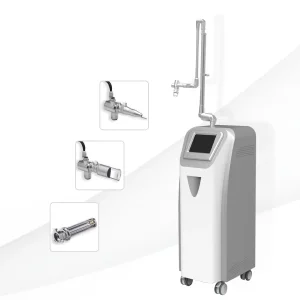
Direct communication between diagnostic machines and therapeutic platforms. For example, a facial analyzer automatically transmits melanin and vascular maps directly to a SANO Diode Laser or Fractional CO2 system to recommend exact fluence and pulse duration parameters.
Expert technical and commercial answers from SANO's engineering and international trade department.
SANO professional skin analysis platforms are built for heavy commercial clinical use with an operational lifespan of 5 to 8 years. The LED flash units are rated for over 100,000 flash cycles. We recommend performing a soft software-assisted optical re-calibration every 6 months using the standardized grey-card target supplied with the unit to ensure absolute color fidelity and zero lighting drift over time.
Yes. As an OEM manufacturer, SANO provides complete customization services. We can customize the software startup splash screen, software color themes, client branding logos, contact information, and specific product recommendation lists generated on printed or digital PDF skin diagnostic reports.
The system stores patient files using local AES-256 database encryption. If cloud synchronization is enabled for chain medspas, patient facial data is anonymized into encrypted feature vectors. Practitioners can set password-protected access tiers to comply fully with European GDPR and US HIPAA mandates.
For standard equipment with logo placement, MOQ starts at just 1 to 5 units. For deep ODM customization (custom chassis molding, tailored UI codebase, special optical configurations), MOQ is typically 10 to 20 units. Standard factory lead time is 7 to 12 working days following technical parameter confirmation.
Every machine includes a comprehensive 2-year factory warranty. In case of hardware issues, replacement modular parts are dispatched via express air freight immediately. Technical support is available 24/7 directly from our senior optical and biomedical assembly engineers via video link and remote desktop software.
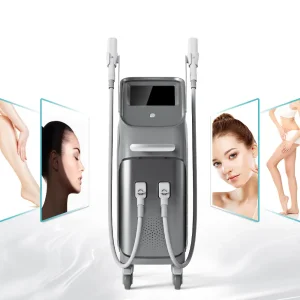
Explore our complete range of specialized body sculpting, diode laser, DPL, and RF microneedling platforms engineered in Beijing.
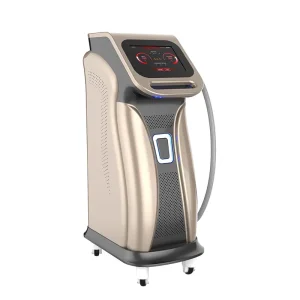
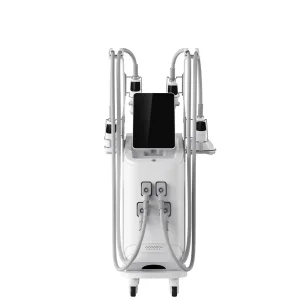
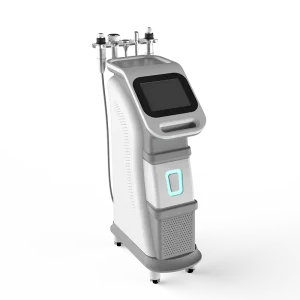
Contact Beijing SANO Laser's export engineering department today for custom technical specifications, OEM price lists, and global distribution partnership terms.