- +86 136 8127 5833
- [email protected]
- Shunyi, Beijing, China
Engineered for Medical Spas, Cosmetic Clinics, and Global Distributors Seeking Medical-Grade Reliability
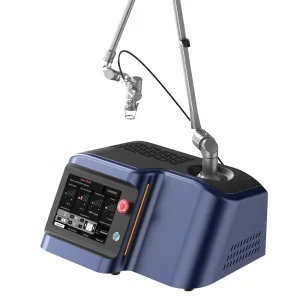
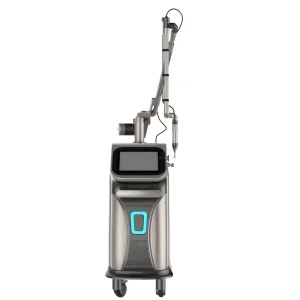
Analyzing B2B Procurement Dynamics, Market Shifts, and Enterprise OEM Ecosystems
The global medical aesthetics market is undergoing a seismic structural shift. Driven by patient demand for non-surgical procedures with zero downtime, non-invasive body contouring has emerged as one of the fastest-growing sectors in clinical dermatology and medical spa operations. At the forefront of this market growth is Cryolipolysis technology (body fat freezing)—a scientifically validated, non-ablative method that selectively targets and eliminates subcutaneous adipose tissue through controlled localized cooling.
For B2B buyers, medical device distributors, aesthetic chain clinics, and healthcare investors, navigating the supply chain for a reliable OEM Body Fat Freezing Machine Manufacturer & Supplier requires a deep understanding of hardware durability, thermal engineering precision, safety compliance frameworks, and total cost of ownership (TCO). Acquiring low-grade machinery leads to frequent thermal sensor failures, uneven cooling distribution, transient cold burn injuries, and costly operational downtime. Conversely, partnering with an established OEM/ODM manufacturer guarantees clinical efficacy, modular component scalability, and international regulatory alignment.
Consumers actively avoid surgical interventions like liposuction due to anesthesia risks, compression garment requirements, and multi-week recovery timelines. Body fat freezing offers a lunch-break procedure that achieves an average 20%–28% subcutaneous fat layer reduction per single session.
Commercial aesthetic clinics look for high ROI equipment with minimal consumable costs. OEM manufacturing allows brands and large medspa groups to customize hardware aesthetics, UI firmware, and applicator configurations, creating proprietary service packages with higher gross margins.
ISO 13485 certified facilities enforce rigorous raw material testing—ranging from Japanese TEC semiconductor chillers to medical-grade silicone suction cups—ensuring equipment withstands continuous multi-bay operation without thermal degradation.
How Precise Thermal Extraction Induces Apoptosis Without Compromising Surrounding Dermal Tissue
The physiological principle of cryolipolysis relies on the distinct susceptibility of adipocytes (fat cells) to cold temperatures compared to surrounding lipid-poor cells (such as keratinocytes, fibroblasts, vascular endothelial cells, and peripheral nerves). Saturated fatty acids inside adipocytes crystallize at significantly higher temperatures (around +4°C to -11°C) than water-based fluids found in non-fatty tissues.
Standard legacy systems relied on dual cooling plates placed inside a rigid vacuum cup, creating uneven thermal gradients where the tissue closest to the aluminum plates experienced intense cold while the central tissue remained inadequately chilled. Next-generation OEM platforms manufactured by SANO utilize 360-Degree Surround Cooling Applicators.
| Architecture Feature | Legacy Dual-Plate Cryo Systems | SANO 360° Surround Cooling OEM Platform | Clinical & Business Advantage |
|---|---|---|---|
| Cooling Area Coverage | Approx. 40% (Two opposite cooling plates) | 100% Full Contact Area (All-around cooling) | Increases effective treatment zone by 60% per session. |
| Temperature Uniformity | High thermal gradient; risk of focal freezing | Uniform thermal dissipation (±0.5°C control) | Eliminates hot/cold spots, minimizing frostbite risks. |
| Chilling System Hardware | Standard single-water pump, basic radiators | Dual Japanese TEC peltier modules + copper radiators | Reaches target sub-zero temperatures 35% faster. |
| Applicator Versatility | Fixed sizes, rigid polycarbonate plastic | Interchangeable medical silicone contours (5+ sizes) | Fits awkward anatomy (chin, sub-axillary, inner thighs). |
| Vacuum Control Technology | Continuous static vacuum suction | Intelligent dynamic pulse vacuum modulation | Reduces patient bruising and enhances tissue circulation. |
From Concept Sketch to Mass Production: How SANO Laser Delivers Customized Aesthetic Hardware
Custom chassis engineering using injection-molded ABS housing or sheet metal structural frames. Full color matching, ergonomic handle weight optimization, and brand aesthetic integration.
Customized Android or Linux GUI interfaces supporting 12+ international languages. Pre-programmed clinical parameter presets based on skin-fold caliper measurements and treatment zones.
Integration of high-flow booster water pumps, 8-liter stainless steel water reservoirs, independent vacuum pumps per handpiece channel, and real-time thermal sensor calibration.
100% continuous 72-hour burn-in operational testing under maximum thermal load. Pressure testing of vacuum lines, fluid seal validation, and electrical safety insulation audits.
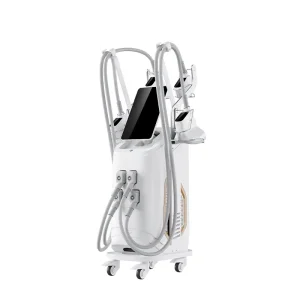
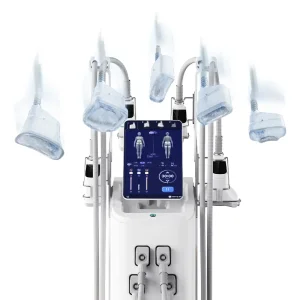
Whether you require a multi-handle station capable of operating four 360° applicators simultaneously or a portable desktop cryolipolysis unit for compact medspas, SANO Laser provides flexible OEM/ODM manufacturing terms, including low Minimum Order Quantities (MOQs) for brand prototypes.
Ensuring Seamless Importation, Risk Mitigation, and Field Service Across 90+ Countries
Every equipment line manufactured in our Beijing facility adheres to strict ISO 13485 Quality Management Systems. Our products carry European CE certificates (LVD & EMC compliance), RoHS material safety verification, and detailed technical documentation required for local healthcare board registration (FDA 510k assistance, ANVISA, TGA).
Patient safety is paramount during sub-zero thermal extraction. SANO cryolipolysis machines feature embedded real-time temperature sensors in both the applicator head and internal fluid circuit. If cooling drifts beyond the safety margin (e.g., dropping below -13°C), the system automatically halts the cooling cycle and signals an audible warning.
We supply standardized modular spare parts (plug-and-play PCBs, quick-connect water hoses, modular TEC elements) and maintain an engineer-led 24/7 technical helpdesk. Distributors receive comprehensive factory training videos, clinical treatment guidelines, and express spare-parts delivery within 3–5 business days via DHL/FedEx.
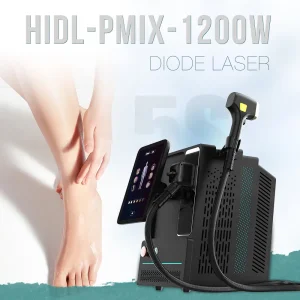
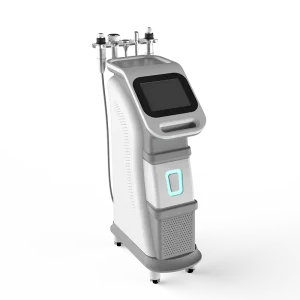
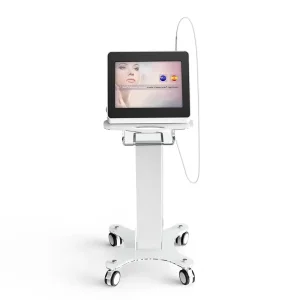
Explore Our Advanced Multi-Technology Aesthetic Systems Built for Long-Term Clinical Performance
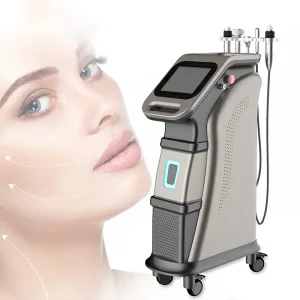
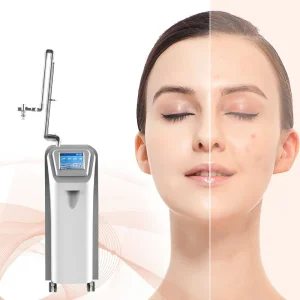
Detailed Answers Prepared by SANO Laser Biomedical Engineers & Regulatory Experts
The operational longevity of a professional cryolipolysis device is primarily determined by three critical sub-systems: 1) Peltier Cooling Modules: We utilize Japanese TEC semiconductor cooling plates that resist thermal shock cycles. 2) Water Circulation System: High-pressure brushless DC water pumps combined with medical-grade silicone tubing prevent fluid degradation and maintain optimal heat removal from the TEC plates. 3) Vacuum Pumps: Heavy-duty dual-head vacuum pumps rated for continuous duty ensure stable tissue suction without pressure drops. Cheap machinery typically fails within 6–12 months due to TEC burnout or water pump seizure.
Anti-freeze membranes are not merely simple paper sheets soaked in liquid; they are precise biochemical barriers containing specialized anti-freezing liquid formulations (combining glycerin, temperature-stabilizing surfactants, and anti-burn agents). The membrane protects the epidermis from thermal frostbite by preventing direct contact with sub-zero metallic applicator surfaces while maintaining thermal conductivity to chill the underlying subcutaneous fat. SANO provides certified, high-viscosity anti-freeze membranes tested to perform safely down to -15°C.
Traditional cryolipolysis handpieces featured two flat cooling plates situated on opposite sides of a rigid cup. This leaves significant "dead zones" along the top and bottom of the suction area, resulting in non-uniform fat reduction and requiring longer session times (typically 60 minutes per area). 360-degree surround cooling handpieces feature fully conductive aluminum-alloy surfaces surrounding the entire cup cavity. This provides 100% cooling coverage, shortens average session time to 35–45 minutes, increases fat loss efficiency per treatment by up to 18–25%, and ensures consistent clinical outcomes.
For standard private-label branding (logo application, custom software booting screen, custom user manual), our Minimum Order Quantity (MOQ) starts at just 1 to 5 units, with delivery within 7–10 business days. For deep ODM projects involving unique outer chassis tooling, custom plastic injection molds, or proprietary PCB development, the design-to-production cycle typically ranges from 45 to 60 days, with clear technical milestones established by our engineering project managers.
All SANO aesthetic equipment comes standard with a 2-Year Comprehensive Factory Warranty covering electrical components, power supplies, TEC modules, and mainboards. We maintain a zero-downtime policy: in the rare event of a component malfunction, our engineering team conducts remote video diagnostics within 12 hours and dispatches replacement modules via expedited courier. Additionally, we provide lifetime software updates and clinical training materials free of charge.