- +86 136 8127 5833
- [email protected]
- Shunyi, Beijing, China
Explore our high-performance clinical systems engineered for medical aesthetic practitioners, clinics, and global distribution partners.
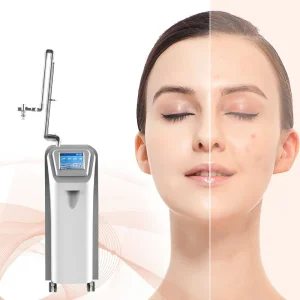
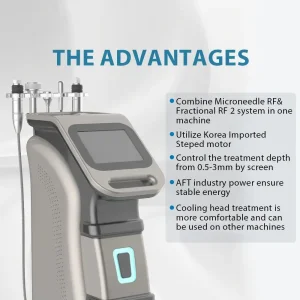
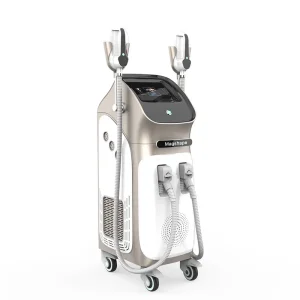
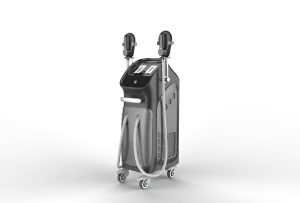
Understanding the transition from targeted localized fat freezing to 360-degree all-dimension cryolipolysis architecture.
The global market for non-invasive body contouring has experienced a structural shift over the past decade. Among energy-based devices, **Cryolipolysis**—commonly referred to in clinical and commercial sectors under the trademarked umbrella of *Machine Coolsculpting*—remains the gold-standard modality for non-surgical subcutaneous adipose tissue reduction. As international demand expands across dermatology practices, medical spas (MedSpas), plastic surgery centers, and wellness chains, B2B procurement teams face an increasingly complex landscape. Sourcing a High-Quality machine coolsculpting Supplier & Factory is no longer merely a matter of hardware unit costs; it requires a deep technical evaluation of thermodynamic stability, applicator geometry, sensor-driven safety controls, and original equipment manufacturer (OEM) technical flexibility.
Historically, early-generation body freezing devices relied on two parallel metal cooling plates housed inside a rigid vacuum cup. This legacy design achieved only 40% to 50% thermal transfer efficiency, creating localized cold pockets that increased the risk of uneven tissue reduction, patient discomfort, and localized freeze burns. Modern clinical standards, established by leading Chinese medical aesthetic machinery factories, utilize 360-Degree Surround Cooling Technology with conductive aviation-grade aluminum alloys, multi-stage proportional vacuum control, and solid-state thermoelectric cooling (TEC) Peltier modules. This comprehensive whitepaper serves as an authoritative guide for B2B buyers, clinic directors, and medical device distributors seeking to understand the underlying science, manufacturing standards, global market dynamics, and procurement metrics of high-end cryolipolysis equipment.
How controlled thermal extraction triggers programmed cell death without microvascular or epidermal injury.
The core scientific principle behind machine coolsculpting rests upon the differential thermal sensitivity of lipid-rich adipocytes compared to surrounding water-rich tissues (epidermal cells, dermis, peripheral nerves, microvascular networks, and muscular structures). Fatty acids contained within human subcutaneous fat cells undergo phase transition—solidifying and crystallizing—at significantly higher temperatures than water-based intracellular fluid.
The cryolipolysis applicator delivers controlled negative pressure (vacuum) to pull the target tissue mass into contact with internal cooling plates. Thermal energy is continuously extracted from the tissue, dropping adipocyte temperatures down to the target range of -4°C to -11°C depending on treatment protocol and tissue thickness.
Because triglycerides within adipocytes crystallize at temperatures well above the freezing point of water, the lipid droplets undergo structural change while skin, blood vessels, and nerves remain unharmed. This selective lipid solidification destabilizes the adipocyte cellular membrane.
Over 14 to 90 days following thermal extraction, affected fat cells enter a natural apoptotic cascade. Endogenous macrophages and immune cells gradually phagocytize and digest damaged adipocytes, naturally transporting lipids through the lymphatic system for hepatic processing.
Medical literature demonstrates that a single optimized 35-to-60 minute 360-degree cryolipolysis cycle reduces the fat layer thickness in the treated region by an average of 20% to 26% after 12 weeks. Unlike surgical suction lipoplasty or high-intensity thermal laser ablation, cryolipolysis induces non-necrotic cell death, eliminating risks of systemic lipid overload, severe scarring, or extended downtime.
Evaluating core engineering components: Semiconductor Peltier modules, fluid dynamics, and AI safety loops.
When selecting a manufacturing partner or factory for machine coolsculpting equipment, B2B purchasers must inspect the internal component assembly. Premium medical-grade systems rely on a synergistic integration of mechanical, electrical, thermal, and software engineering subsystems.
| Subsystem | Legacy / Low-End Specification | High-Quality SANO Factory Standard | Clinical & Commercial Benefit |
|---|---|---|---|
| Cooling Geometry | Dual flat cooling plates (40% skin contact area) | 360° All-Dimension Aviation Aluminum Surround Cup | 100% full treatment coverage, zero cold dead-zones, 30% faster session time. |
| Thermal Transducers | Standard commercial TEC peltier chips | Medical-grade Japanese/German solid-state Peltier modules | Ultra-stable thermal extraction, 10,000+ hour operational lifespan without decay. |
| Sensor Loop | Single-channel thermocouple inside main unit | Dual-channel 100Hz real-time thermal sensors inside handpiece | Instantaneous shutdown if skin temperature drops below safety threshold (-11°C). |
| Vacuum Pump | Single diaphragm pump (40-50 kPa) | Dual-head brushless mute vacuum pump (0 to 80 kPa adjustable) | Stronger tissue draw, whisper-quiet clinic environment, pulse vacuum massage. |
| Cooling Medium | Standard distilled water circulation | High-viscosity anti-freeze glycol closed-loop heat exchanger | Prevents micro-ice blockage in tubes, maintaining rapid heat removal at -11°C. |
The next frontier of medical body slimming machinery involves intelligent, multi-modal integration. Leading OEM factories are currently championing three pivotal innovations:
Deployment patterns across diverse geographical markets, clinic categories, and patient demographics.
In high-throughput aesthetic chains across the United States, Mexico, and Brazil, operational efficiency is paramount. Multi-handle platforms (operating 4 applicators simultaneously) allow practitioners to treat 2 to 4 anatomical zones (e.g., abdomen + flanks) in a single 35-minute block, quadrupling clinic revenue per hour.
Plastic surgery institutions across Germany, the UK, UAE, and Saudi Arabia utilize machine coolsculpting as a non-surgical touch-up tool following traditional liposuction. It smooths minor asymmetry, addresses residual localized fat deposits, and serves as an entry-level non-invasive alternative for needle-phobic clients.
In South Korea, Japan, Singapore, and Australia, patient demographics typically exhibit lower overall BMI but demand precision refinement. Submental double-chin applicators and miniature inner-thigh cups engineered by specialized factories cater specifically to finer body contours and delicate facial anatomical structures.
Why Beijing and Chinese industrial manufacturing hubs lead the world in medical aesthetic machinery production.
The global dominance of Chinese aesthetic machine factories stems from deep supply chain cluster integration, advanced industrial tooling infrastructure, and unmatched cost-to-performance efficiency. Factories located in medical equipment manufacturing clusters (such as Beijing, Guangdong, and Jiangsu) leverage localized ecosystems that dramatically compress production lead times and R&D iteration speed.
Leading factories maintain private injection molding, CNC precision milling, and metal chassis stamping workshops. Custom casing designs, software branding, and ergonomic handpiece modifications (OEM/ODM) can move from CAD renderings to physical functional prototypes in as few as 14 to 21 days.
Top-tier exporters enforce ISO 13485 quality management systems. Every machine undergoes a strict 72-hour continuous thermal cycling burn-in test, laser-guided vacuum pressure drop testing, fluid leak checks, and electrical safety insulation verification prior to export packaging.
By streamlining component procurement and direct factory assembly, high-end Chinese suppliers deliver medical-grade equipment at 25% to 35% of the capital expenditure demanded by Western brand marketers—enabling clinic operators to achieve complete equipment ROI within 3 to 6 months.
Ensuring cross-border compliance, risk mitigation, and continuous technical support for global importers.
Navigating global regulatory barriers is a critical consideration for importers of medical aesthetic equipment. A reliable machine coolsculpting factory provides complete compliance documentation support, ensuring seamless customs clearance and legal clinic operation worldwide.
Expert engineering answers to critical purchasing, technical, and operational questions asked by equipment distributors and clinic owners.
Traditional applicators utilize two opposing flat cooling plates separated by plastic cup walls, leaving up to 60% of the cup surface uncooled. This can create thermal gradients and uneven fat reduction. 360-degree surround cooling applicators integrate an all-around conductive metal cup structure, ensuring 100% full-surface cooling contact. This results in uniform thermal removal, reduces treatment time from 60 minutes to 35 minutes, and improves overall adipose layer reduction per session by approximately 20-30%.
Factory safety safeguards are two-fold: First, hardware protection utilizes multi-channel temperature sensors installed directly behind the applicator cooling plates, continuously polling tissue interface temperatures at 100Hz and shutting down cooling instantly if temperatures drop below safe limits (-11°C). Second, consumable protection relies on medical-grade Anti-Freeze Gel Membranes saturated with specialized anti-freeze liquid and thick gel matrix that insulates the epidermis while allowing deep cold energy to penetrate the underlying fat tissue.
Routine factory-recommended maintenance includes: 1) Changing the internal circulating coolant water (using pure distilled water mixed with specialized anti-corrosion coolant) every 3 to 6 months; 2) Inspecting and cleaning the liquid filter and vacuum trap filter monthly to prevent gel ingress from membranes; 3) Checking applicator silicone seals and quick-connect hose fittings for wear to prevent vacuum leaks.
Yes, provided the machine is engineered with independent power supplies, separate water pumps, and dedicated TEC Peltier control drivers for each channel. High-quality factory builds incorporate dual or quadruple independent cooling systems inside a single chassis, allowing 2, 3, or 4 handles to work simultaneously at different temperatures and vacuum pressures without cross-channel thermal interference.
Full-service factories support extensive white-label customization including: custom chassis injection painting and branding, personalized Android/Linux software UI themes, multi-language interface translation, preset treatment protocols, custom-shaped silicone handpiece cups, customized flight case packaging, and integrated RFID card rental/pay-per-shot management systems for distributor franchise models.
Each modality targets distinct tissue layers: Cryolipolysis specifically targets subcutaneous fat cell apoptosis; EMS (High-Intensity Electromagnetic) targets deep skeletal muscle contraction and localized metabolic fat burn; RF Microneedling targets dermal collagen remodeling and skin tightening. Premier MedSpas frequently combine all three modalities into comprehensive body transformation packages (Freeze fat -> Build muscle -> Tighten loose skin).
Complete your clinical equipment portfolio with our medical CE-certified systems direct from our manufacturing facility.
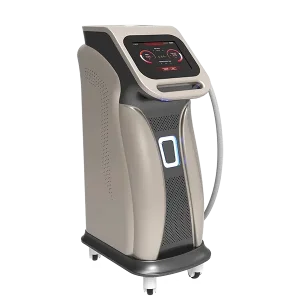
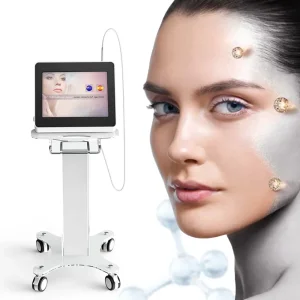
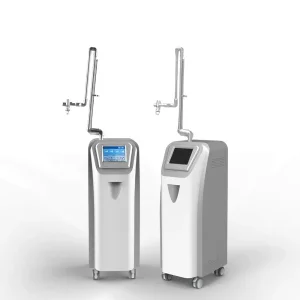
Accelerate your clinical business growth with custom-engineered aesthetic solutions, competitive factory pricing, and continuous engineering support.
Selecting the right High-Quality machine coolsculpting Supplier & Factory is a strategic investment that defines your market reputation, patient safety, and profit margins. By combining 360-degree all-dimension cooling technology, rigorous ISO 13485 quality assurance, and complete OEM/ODM engineering customization, our manufacturing facility delivers world-class medical aesthetic devices trusted by practitioners and distributors across 90+ countries.