- +86 136 8127 5833
- [email protected]
- Shunyi, Beijing, China
Explore our clinical-grade fractional microneedle RF systems, high-intensity diode lasers, and advanced body contouring solutions built under ISO 13485 manufacturing standards.
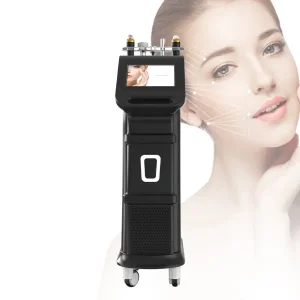
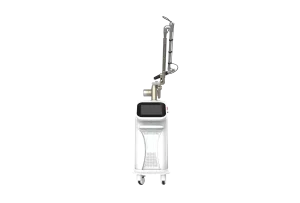
In the rapidly advancing domain of non-surgical aesthetic medicine, Fractional Microneedle Radiofrequency (RF) technology has emerged as the definitive gold standard for targeted dermal remodeling, neocollagenesis, and elastin synthesis. Unlike traditional optical laser platforms—which rely heavily on chromophore absorption (melanin, hemoglobin, or water) and carry heightened risks of post-inflammatory hyperpigmentation (PIH) in darker Fitzpatrick skin types (IV–VI)—Fractional Microneedle RF delivers controlled high-frequency electrical energy directly into the reticular dermis bypassing the light-scattering barriers of the epidermis.
As global clinical demand transitions toward minimal-downtime interventions with predictable sub-surface thermal coagulation zones, procurement directors, hospital network buyers, and medical aesthetic distributors require transparent insight into the hardware architecture, manufacturing precision, and quality control systems of OEM/ODM suppliers. This technical whitepaper establishes the benchmark metrics for evaluating high-quality fractional microneedle RF factories, detailing physical energy delivery, automated needle actuation, impedance real-time tracking, and modular industrial scalability.
To evaluate fractional microneedle RF systems accurately, procurement engineers must examine the underlying biophysical mechanisms governing energy delivery. The primary objective of Fractional RF is to induce electro-thermal coagulation within the dermis (reaching target temperatures of 65°C to 75°C) without compromising the superficial stratum corneum.
High-quality factories utilize surgical-grade 316L stainless steel needles electroplated with biocompatible 24K gold. The gold plating minimizes contact electrical resistance and prevents nickel leaching. Needles are engineered in two fundamental clinical formats:
Low-cost suppliers often rely on rudimentary solenoid impact coils, which shoot the needles forward abruptly, causing mechanical tearing, epidermal bruising, and operator hand fatigue. Advanced manufacturing facilities integrate robotic stepping motors that insert the needle array with smooth, sub-millimeter precision (adjustable from 0.2mm to 4.0mm in 0.1mm increments), reducing patient discomfort and micro-bleeding by over 60%.
| Parameter Metric | Tier-1 Factory Specification | Standard Low-Cost Specification | Clinical Impact |
|---|---|---|---|
| RF Output Frequency | 2.0 MHz – 4.0 MHz Dual-Phase | 1.0 MHz Single Phase | Deeper, focused thermal zones; minimal dispersion |
| Actuation System | Micro-Stepping Motor Drive | Magnetic Solenoid Impulse | Smooth skin entry, zero mechanical laceration |
| Penetration Control | 0.2 mm – 4.0 mm (0.1mm steps) | 0.5 mm – 3.0 mm (0.5mm steps) | Precise depth control for scalp to body stretch marks |
| Vacuum Mechanism | Integrated Negative Pressure (1-5 levels) | None (Manual Pressure Only) | Stabilizes lax tissue, eliminates needle slippage |
| Tip Calibration | Individual EEPROM Needle Pin Mapping | Basic Contact Circuit Switch | Prevents energy arcing and shot counter tampering |
Distributors and clinic chains face diverse patient populations demanding comprehensive anti-aging and scar revision protocols. High-quality fractional microneedle RF factories design versatile platforms capable of addressing a multi-tier spectrum of aesthetic and dermatological indications:
Delivering 2MHz RF thermal pulses at 1.5mm–2.5mm depth ruptures fibrotic bands in rolling and boxcar acne scars. The micro-injury triggers matrix metalloproteinases (MMPs) to break down dysplastic collagen and replace it with organized Type I collagen fibers.
Utilizing ultra-fine 10-pin or 25-pin insulated tip arrays, practitioners safely treat thin, sensitive skin around the eyes and jawline. Non-ablative dermal heating contracts existing collagen triple-helices instantly, providing immediate tightening followed by long-term neocollagenesis.
Deep penetration (up to 4.0mm) combined with vacuum suction allows effective treatment of striae distensae (stretch marks) on abdomen, thighs, and buttocks. High volumetric heating at high energy densities restructures dermal elastic networks over 3 to 6 sessions.
The global aesthetic equipment landscape has undergone a major structural shift. Leading medical device procurement officers increasingly turn to China’s advanced manufacturing hubs—such as Beijing Sano Laser Development S&T Co., Ltd.—to leverage robust supply chain clusters, rapid technological iteration, and stringent quality control.
Sano Laser operates state-of-the-art production facilities encompassing R&D engineering labs, Class 100,000 cleanrooms for sterile tip assembly, and optical/electrical calibration centers. This integrated infrastructure yields tangible operational advantages:
Rather than relying on generic off-the-shelf assemblies, Sano Laser integrates premium global hardware components: Japanese Omron switching relays, German-engineered micro-stepping motors, Swiss medical-grade power modules, and gold-plated connectors. This ensures continuous 24-hour operation under heavy clinical workloads without voltage drift or mechanical fatigue.
Every machine leaving the factory undergoes a mandatory 72-hour burn-in stress test, coupled with oscilloscope energy output mapping across 100% of needle arrays. Frequency tolerance is strictly bound within ±0.05MHz of target specs, guaranteeing that the delivered joules match the clinical parameters displayed on the touchscreen.
For international distributors, private-label brands, and clinical franchise networks, establishing an OEM/ODM manufacturing partnership requires rigorous protocol verification. Sano Laser provides a streamlined, engineer-guided customization pipeline tailored to international market demands:
Custom exterior chassis engineering using ABS plastic and aluminum alloy frames, custom paint color matching (Pantone standards), and ergonomically optimized handpiece weight distribution.
Multilingual interface programming (15+ languages), customizable operator presets (Beginner vs. Expert mode), and branded startup splash screens with encrypted distributor service sub-menus.
Proprietary needle tip RFID/EEPROM chip lockouts that protect distributor consumable recurring revenues, preventing unauthorized third-party tip usage while ensuring sterile usage protocols.
Navigating global regulatory landscapes requires robust documentation and testing support from the original equipment manufacturer. Sano Laser maintains rigorous compliance standards to facilitate smooth market access across Europe, the Americas, Asia-Pacific, and the Middle East.
Sano Laser platforms ship with complete technical files including Medical CE (EU MDR compliance support), ISO 13485 Quality Management System certificates, RoHS environmental safety test reports, and IEC 60601-1 / IEC 60601-2-2 electrical and high-frequency surgical equipment safety testing.
Equipment buyers interact directly with senior R&D assembly engineers—not external sales intermediaries. Sano guarantees 24-hour response cycles for remote diagnostic support, modular PCB replacement dispatch, and lifetime availability of critical consumables and handpiece components.
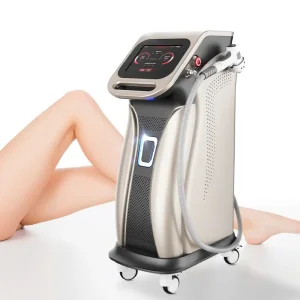
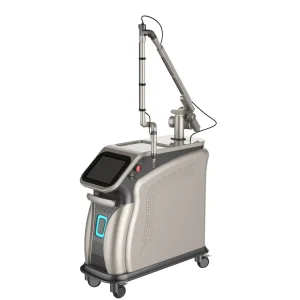
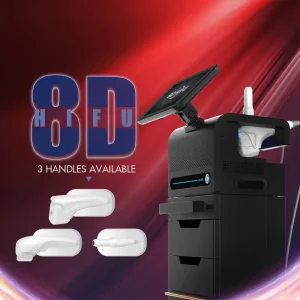
Discover our broader range of multi-modality platforms, including body sculpting, vascular therapy, diode hair removal, and skin cooling devices built for continuous clinical performance.