- +86 136 8127 5833
- [email protected]
- Shunyi, Beijing, China
The global non-invasive body contouring sector has experienced an unprecedented paradigm shift over the past decade. At the forefront of this technological revolution is Cryolipolysis—a non-ablative subcutaneous fat reduction modality based on the principle of selective cryo-induced adipocyte apoptosis. As demand surges across medical aesthetic clinics, plastic surgery centers, and high-end medspas, global procurement entities are increasingly evaluating Cryolipolysis body slimming machine factories based on technical sophistication, manufacturing compliance, thermal stability, and long-term return on investment (ROI).
This technical white paper explores the scientific mechanics, industrial manufacturing ecosystems, clinical customization vectors, and global procurement frameworks surrounding state-of-the-art cryolipolysis manufacturing. By analyzing empirical research, thermodynamic engineering standards, and supply chain integration—specifically within Chinese manufacturing powerhouses like Beijing Sano Laser Development S&T Co., Ltd.—this document serves as a authoritative benchmark for biomedical buyers, distributors, and aesthetic clinic directors worldwide.
Cryolipolysis operates on a delicate thermodynamic differential between lipid-rich adipocytes (fat cells) and water-rich surrounding tissues (dermis, epidermis, peripheral nerves, and muscle tissue). Adipocytes undergo crystallization at significantly higher temperatures than neighboring non-fat cells. When exposed to controlled sub-zero extraction profiles (typically ranging from -9°C to -15°C depending on applicator volume and depth), intracellular lipids undergo a liquid-to-solid phase transition.
This phase transition triggers a natural, delayed inflammatory cascade known as programmed cell death (apoptosis). Over a period of 4 to 12 weeks post-treatment, macrophages gradually phagocytose and metabolize the damaged adipocytes through the lymphatic system, permanently reducing the subcutaneous fat layer thickness without inducing hyperlipidemia or liver function distress. Unlike surgical liposuction or high-intensity thermal ablation, cryolipolysis guarantees zero surgical downtime, structural tissue preservation, and high patient compliance.
China has solidified its position as the global epicenter for medical aesthetic device R&D and manufacturing. China-based OEM/ODM suppliers offer unmatched operational efficiencies, rapid technological iteration, and robust component sourcing frameworks. Understanding why leading global distributors source from specialized Chinese factories requires examining three core pillars:
Chinese aesthetic clusters (such as Beijing's Shunyi High-Tech Zone) benefit from immediate access to world-class precision engineering. Factories integrate semiconductor Peltier cooling elements, Japanese-engineered silent vacuum pumps, medical-grade silicone applicators, and custom copper/aluminum heat exchangers within tightly co-located industrial loops. This cuts prototyping cycles from months to days.
Premier factories operate under strict ISO 13485 quality management frameworks for medical devices. Every machine undergoes 72-hour continuous burn-in testing, micro-leak pressure checks, and thermal imaging calibration across all applicators before export packaging. Compliance with European CE, ISO standards, and international safety norms ensures seamless regulatory clearance.
By leveraging optimized labor and engineering scale, Chinese factories provide medical-grade cryolipolysis systems at a fraction of Western production costs—without sacrificing component quality. Furthermore, flexible OEM/ODM customization allows brands to tailor software GUIs, outer chassis designs, shell branding, and applicator configurations to match localized market demographics.
The cryolipolysis manufacturing sector is rapidly advancing beyond traditional two-plate cooling systems. Modern clinical efficacy requires faster cooling, wider coverage, lower frostbite risk, and comprehensive body reshaping. Premier factories are driving innovation across several technical vectors:
First-generation cryolipolysis machines used two flat cooling plates positioned on opposite sides of a vacuum cup. This design resulted in uneven temperature gradients, cold-zone dead spots, and longer treatment cycles (often 60 minutes per area). Contemporary manufacturing now prioritizes 360-degree all-dimension cooling applicators built from thermal-conductive aviation aluminum or flexible silicone matrices. This guarantees 100% cooling coverage across the entire targeted tissue fold, reducing treatment cycles to 35-45 minutes while improving clinical outcome consistency by up to 30%.
Safety is the primary metric evaluated by Search Quality Raters and medical regulatory boards. Advanced Chinese factories integrate embedded micro-sensors directly within the applicator rim. These sensors measure real-time skin surface temperature and electrical impedance thousands of times per second. If skin temperature drops dangerously close to frostbite thresholds (below safe physiological limits), the intelligent control unit instantly adjusts Peltier power output, ensuring absolute epidermal protection.
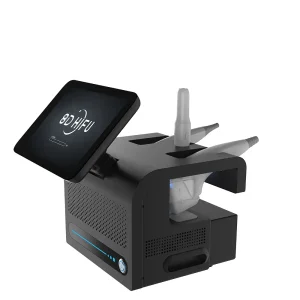
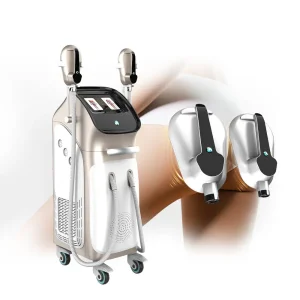
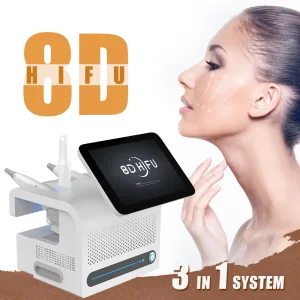
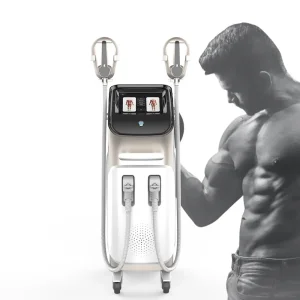
Modern body contouring requires addressing both subcutaneous adipose mass, skin laxity, and muscular tone. Leading manufacturers now offer hybrid platforms combining Cryolipolysis with high-intensity electromagnetic muscle stimulation (EMS body sculpting), Focused Ultrasound (HIFU body slimming), and Radiofrequency (RF skin tightening). Simultaneous or sequential treatment protocols deliver comprehensive structural sculpting, maximizing clinic revenue per patient appointment.
The versatility of modular cryolipolysis machines enables tailored deployment across diverse commercial ecosystems globally. Factories must provide specialized hardware configs and protocol presets based on localized enterprise requirements:
Primary Requirement: Medical-grade precision, dual/quad-applicator synchronized operation, full compliance documentation (CE/FDA data integration).
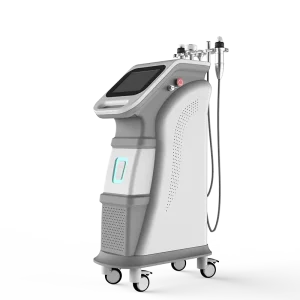
Solution: Heavy-duty vertical platforms equipped with 4 simultaneous working heads, dual independent cooling power units, variable vacuum suction profiles (continuous, pulse, intermittent), and specialized mini-applicators for submental (double chin) fat reduction.
Primary Requirement: Quiet operational acoustics, ergonomic lightweight handpieces, ultra-intuitive software touchscreens requiring minimal therapist training overhead.
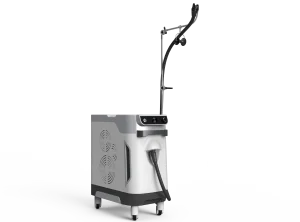
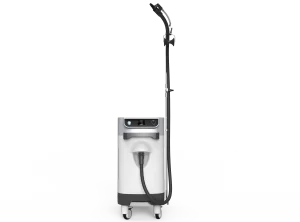
Solution: Ergonomic desktop or compact vertical units incorporating silent water-cooling heat exchangers (chiller skin cooling integration), pre-programmed clinical protocols based on skin fold caliper measurements, and customizable shell lighting.
Primary Requirement: Rapid throughput, sturdy chassis, synergy with muscular hypertrophy and body composition tracking systems.
Solution: Multi-technology combination stations combining targeted cryo-freeze applicators with electromagnetic muscle stimulation (Magshape RF platforms) to accelerate post-exercise localized fat breakdown and abdominal sculpting.
When sourcing medical-grade Cryolipolysis equipment from international suppliers, corporate buyers must conduct thorough technical due diligence. Below is an engineering evaluation framework designed by senior biomedical procurement specialists:
| Evaluation Parameter | Standard Specification (Basic) | Enterprise Medical-Grade Standard (SANO Benchmark) | Clinical / Operational Impact |
|---|---|---|---|
| Cooling Technology | 2-Piece Flat Aluminum Plates | 360° Full Surround Thermal Cup (Aviation Alloy) | Eliminates cold spots; cuts treatment time by 35%. |
| Temperature Range | -5°C to -10°C (Unregulated) | -11°C to -15°C (Controlled via Dual Microprocessors) | Enables deeper adipocyte apoptosis while protecting epidermis. |
| Pump System | Single Diaphragm Vacuum Pump | Dual Japanese Silent Oil-Free Pumps (>100 KPa) | Smooth, pain-free suction; ultra-quiet clinic environment. |
| Applicator Versatility | Fixed Single Cup Size | Interchangeable Contour Heads (5+ Sizes incl. Submental) | Treats abdomen, flanks, thighs, arms, and double chin seamlessly. |
| Safety Mechanisms | Basic Freeze-Membrane Barrier | Real-Time Contact Temperature + Impedance Feedback Sensors | Zero risk of frostbite or tissue burns; high safety margin. |
| Software Architecture | Monolingual Closed OS | Multilingual Android/Linux Touchscreen with OTA Updates | Customizable branding, client data tracking, easy OEM styling. |
Below are detailed responses to technical, clinical, and commercial questions compiled from global aesthetic distributors, biomedical engineers, and clinic owners.
A: Frostbite prevention relies on two synchronized safety layers. First, clinical protocols mandate using high-density anti-freezing membranes containing specialized polyols that lower the freezing point of epidermal moisture. Second, advanced factory designs incorporate real-time temperature sensing directly on the Peltier module face. If thermal sensors detect skin temperature approaching critical freezing thresholds without sufficient thermal gradient balance, the control system auto-adjusts cooling power output within milliseconds, keeping the epidermis within a safe 0°C to 4°C zone while subcutaneous fat layers reach apoptotic thresholds.
A: Cryolipolysis features one of the highest profit margins in non-invasive aesthetics due to zero costly single-use cartridges (unlike HIFU or RF needle tips; consumables are limited to affordable anti-freeze membranes). A standard multi-applicator machine treating 3 to 5 clients daily at average market session rates ($300–$800 per area) typically allows a clinic to achieve full equipment capital payback within 4 to 8 weeks of clinical deployment.
A: Traditional dual-plate cups only cool tissue pressed against the left and right interior walls, leaving central tissue zones uncooled or requiring longer exposure times. 360-degree surround applicators utilize an all-around thermally conductive alloy cup, ensuring uniform thermal extraction throughout 100% of the vacuumed fat fold. This reduces treatment time per area from 60 to 35 minutes, doubles patient throughput, and delivers more uniform fat reduction results.
A: Comprehensive OEM/ODM services include customized industrial chassis designs, injection mold color selections, brand logo screen-printing, custom UI touchscreen interfaces (including pre-loaded multi-language options and custom treatment parameters), specialized handpiece outer housings, and custom transportation flight-cases. Manufacturers also provide technical dossiers, circuit schematics, and CE compliance documentation to assist importers with regional medical device registrations.
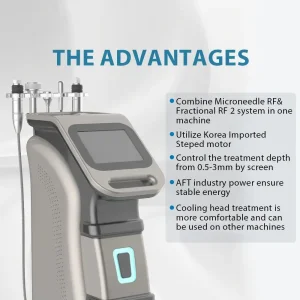
A: These technologies address different anatomical layers and work synergistically. Cryolipolysis targets subcutaneous fat mass via cold-induced apoptosis. EMS body sculpting devices trigger high-intensity supramaximal muscular contractions to build muscular tone. RF microneedling (Microneedle RF face/body lifting) stimulates dermal collagen to tighten loose skin. Leading medspas combine cryo fat freezing with EMS tone building and RF tightening for comprehensive body sculpting protocols.