- +86 136 8127 5833
- [email protected]
- Shunyi, Beijing, China
Explore our premium clinical platforms engineered in Beijing factories with ISO13485 & CE regulatory compliance.
An authoritative technical whitepaper on thermal management, epidermal protection, and market dynamics in modern aesthetic medicine.
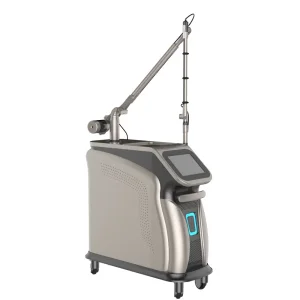
The global demand for non-invasive aesthetic energy-based devices (EBDs)—including high-power 808nm/755nm/1064nm diode lasers, picosecond tattoo removal systems, fractional CO2 skin resurfacing, and vascular 980nm lasers—has surged dramatically over the past decade. However, as clinical protocols demand higher fluences and faster repetition rates to achieve maximal efficacy, thermal management of the epidermis has become a pivotal factor governing treatment safety, patient comfort, and operational throughput.
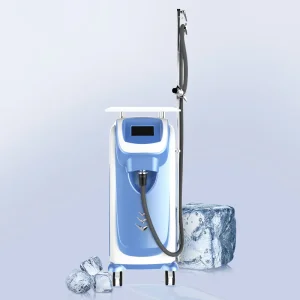
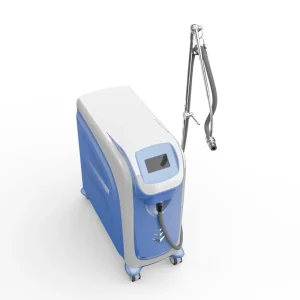
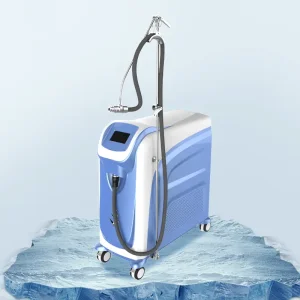
Historically dominated by German-engineered units such as the original Zimmer Cryo series (e.g., Cryo 6, Cryo 5), cold-air forced refrigeration systems (commonly referred to as "Zimmer Chillers" or "Cold Air Cryotherapy Machines") represent the gold standard in non-contact epidermal cooling. Unlike liquid nitrogen spray or contact cooling plates, forced-air chillers deliver a continuous stream of sub-zero air (-30°C to -35°C) to the treatment zone, preemptively, concurrently, and post-procedurally neutralizing thermal energy without interfering with laser beam transmission.
Today, global procurement dynamics are undergoing a structural shift. Medical aesthetic clinics, chain medspas, and B2B distributors are actively seeking cost-effective, durable, and technologically equivalent alternatives to legacy European equipment. Original Equipment Manufacturers (OEM) and Original Design Manufacturers (ODM) based in China—specifically specialized precision engineering clusters in Beijing—have stepped up to bridge this market gap. By integrating heavy-duty commercial compressors, dual-stage variable frequency blowers, and smart defrost algorithms, Chinese manufacturing hubs provide high-performance skin air cooling machines at a fraction of Western capital expenditure.
Understanding the physics behind forced-air sub-zero cooling versus traditional cooling methods.
Selective photothermolysis relies on targeting chromophores (melanin, hemoglobin, water) without thermally damaging adjacent tissue. Forced air chillers continuously strip excess kinetic heat from the stratum corneum, preventing heat accumulation beyond the tissue's TRT limit.
By dropping localized skin surface temperature to 4°C - 10°C during laser delivery, sub-zero air stimulates A-beta sensory nerve fibers. This blocks C-fiber pain signal transmission to the central nervous system, reducing the need for chemical topical anesthetics by over 90%.
Unlike contact sapphire tips that accumulate debris or cryogen sprays that form optical artifacts and require costly consumables, continuous forced cold air leaves the laser treatment window entirely unhindered, maintaining 100% photon energy delivery.
A rigorous evaluation of cooling modalities utilized across high-end dermatological practice:
| Cooling Technology | Working Temp | Consumable Cost | Treatment Speed | Epidermal Safety Profile |
|---|---|---|---|---|
| China OEM Zimmer-Style Air Chiller | -30°C to -35°C | Zero (Ambient Air Filtered) | Continuous / Maximum | Optimal (Pre, During, & Post Cooling) |
| Sapphire Contact Cooling | 0°C to +5°C | Low (Gel required) | Slow (Requires contact pressure) | Moderate (Prone to gel burning/debris) |
| Cryogen Gas Spray (R-134a) | Sub-zero burst | Very High (Canister refills) | Intermittent | High Risk (Thermal shock / PIH risk) |
| Ice Packs / Topical Gels | 0°C to +10°C | Low | Extremely Slow | Unstable (Inconsistent temperature control) |
Why Beijing manufacturing ecosystems produce the world's most competitive skin air cooling platforms.
When procuring a Zimmer-style cold air chiller, global buyers must evaluate build quality, compressor reliability, continuous airflow capacity, and long-term serviceability. Chinese factories, led by specialized manufacturers such as Beijing Sano Laser Development S&T Co., Ltd., have revolutionized aesthetic equipment manufacturing through deep vertical integration and engineering refinements.
Chinese OEM Zimmer chillers feature premium imported compressors (such as Panasonic or Tecumseh high-torque rotary units), combined with custom copper evaporator coils and ultra-quiet variable-speed centrifugal fans designed for 24/7 clinical duty cycles.
Frost accumulation on evaporator fins is the primary failure mode of legacy cold air units. Chinese engineering teams have integrated intelligent micro-processor auto-defrost valves that clear ice buildup in seconds, preventing operational downtime between back-to-back patients.
By leveraging China's complete industrial supply chain—from precision sheet metal fabrication and custom ABS molding to localized PCB assembly—factories offer enterprise-grade chillers at 30% to 50% lower capital expenditure than European OEMs.
How medical aesthetic clinics integrate cold air skin cooling across modern laser and aesthetic protocols.
When running 808nm, 755nm, or triple-wavelength (755/808/1064nm) lasers at high energy densities (>30J/cm²) on darker Fitzpatrick skin types (IV-VI), forced cold air pre-cools the epidermis, drastically suppressing epidermal melanin absorption burn risks while enabling maximum energy delivery to the hair follicle matrix.
Picosecond acoustic shockwaves create rapid micro-explosions in skin ink pigments. Continuous sub-zero air application immediately blunts the intense thermal sting, suppresses immediate erythema and edema, and reduces post-inflammatory hyperpigmentation (PIH).
Ablative skin resurfacing removes micro-columns of skin tissue, creating substantial thermal residual heat. Directing a soft stream of cold air (-20°C to -30°C) via hands-free support arms keeps patients completely relaxed without drying out exposed dermal tissue.
Vascular treatments target hemoglobin in superficial capillaries. High peak power pulses can cause sharp epidermal discomfort. Cold air cooling stabilizes the skin micro-environment, ensuring targeted vessel coagulation while keeping superficial skin intact.
During broad-spectrum Intense Pulsed Light (IPL) or Dye Pulsed Light (DPL) sessions, continuous cold airflow mitigates the burning sensation associated with high-peak optical radiation across large body areas like the chest, back, and legs.
Key considerations for B2B importers, medical device distributors, and chain aesthetic clinics.
As the medical aesthetic industry shifts toward consumable-free, eco-friendly operational models, cold air chillers are replacing older liquid cooling methods. Modern procurement desks evaluating China manufacturers focus on several critical technical specifications:
In-depth technical and commercial answers directly from our factory engineering desk.
Explore our complete catalog of beauty, slimming, skin cooling, and laser hair removal systems.
Whether you require an OEM custom Zimmer chiller batch, diode laser systems, or technical regulatory support, our engineering team in Beijing is ready to consult on your procurement needs.