- +86 136 8127 5833
- [email protected]
- Shunyi, Beijing, China
Explore our engineering-certified laser systems, cold air cooling devices, and multi-functional clinical equipment manufactured at our Beijing facility.
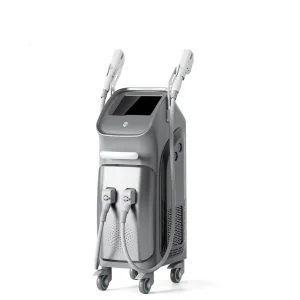
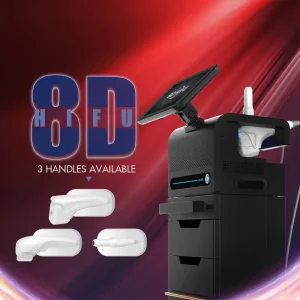
A comprehensive examination of sub-zero cold air epidermal cooling systems, OEM manufacturing standards, and supply chain dynamics in modern laser dermatology.
Over the past decade, high-energy light and laser modalities—including high-power 808nm diode hair removal, 1064nm Q-switched Nd:YAG, picosecond laser tattoo removal, and 10600nm fractional CO2 skin resurfacing—have reached unprecedented pulse energies and rep rates. However, thermal energy absorbed by chromophores (melanin, water, ink particles) inevitably diffuses into surrounding dermal and epidermal tissues.
Without adequate epidermal cooling, thermal diffusion leads to adverse events such as post-inflammatory hyperpigmentation (PIH), thermal burns, erythema, edema, and severe patient pain. Traditional cooling methods—such as topical contact ice packs, sapphire contact tips, or expendable cryogen sprays (R134a)—present distinct mechanical and clinical limitations.
From an enterprise procurement perspective, aesthetic clinics and regional equipment distributors prioritize three operational pillars: Treatment Safety & Comfort, Machine Reliability (Uptime), and Low Total Cost of Ownership (TCO).
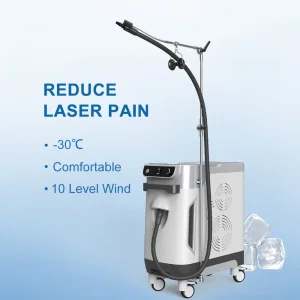
SANO Laser’s medical cooling machines (such as the Cryo 6 and Stormfiber series) utilize closed-loop compressor refrigeration circuits. Unlike cryogen spray systems that cost thousands of dollars annually in gas canisters, or contact cooling tips that obscure optical vision during laser delivery, SANO cold-air machines offer uninterrupted, hands-free cooling without consumables.
Direct comparison of forced cold air, sapphire contact cooling, and consumable cryogen sprays across key clinical parameters.
| Evaluation Parameter | SANO Cold Air System (-30°C to -35°C) | Sapphire Contact Cooling | Expendable Cryogen Spray (R134a) |
|---|---|---|---|
| Operating Consumable Cost | $0 / Zero Consumables (Ambient air compressor) | $0 (Built-in handpiece tip) | High ($3,000–$8,000 annually per room) |
| Pre-, During & Post-Cooling | Simultaneous Continuous Coverage | Contact-only during laser firing | Pre-pulse / post-pulse bursts only |
| Treatment Field Visibility | 100% Unobstructed View | Partially blocked by sapphire housing | Intermittent liquid spray obstruction |
| Epidermal Anesthetic Effect | High (Thermal numbing of skin pain receptors) | Moderate | Transient high surface chill |
| Risk of Cross-Contamination | Zero (Non-contact air delivery) | Requires strict cleaning between patients | Non-contact |
| Maintenance & Reliability | Industrial compressor, auto-defrost cycle | Risk of sapphire cracking or peltier breakdown | Solenoid valve clogging & leak risks |
Inside Beijing SANO Laser Development S&T Co., Ltd.: Engineering precision, ISO13485 standardization, and direct manufacturer pricing advantages.
Based in the Shunyi industrial district of Beijing, SANO Laser manufactures key sub-assemblies in-house. From high-duty cycle rotary refrigeration compressors to customized copper-tube aluminum-fin heat exchangers and micro-computer logic boards, our localized supply chain ensures zero production bottlenecks and strict quality compliance.
We empower global medical device brands and large distributor chains with complete turnkey OEM/ODM services. Our engineering team provides custom chassis exterior designs, brand color matching, screen UI/software localization, custom nozzle attachment kits, and private-label packaging with fast turnaround times.
Every SANO medical cooling system undergoes a 72-hour burn-in climate testing cycle before dispatch. Systems are calibrated to verify air volume delivery (CFM), sound suppression (<65 dB), refrigeration stability under high ambient temperatures (up to 40°C), and electrical safety standards (IEC 60601-1 compliance).
How leading dermatologists and laser clinics pair SANO sub-zero cold air devices with core clinical procedures to optimize patient outcomes.
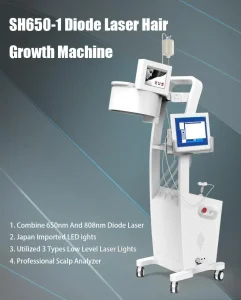
When operating diode lasers at maximum fluences (up to 120 J/cm²) for dark or coarse hair removal, epidermal thermal load spikes rapidly. Directing a continuous stream of -30°C cold air via a hands-free adapter arm pre-cools the epidermis, blunts pain receptor signaling, and clears heat during high-frequency in-motion stamping protocols.
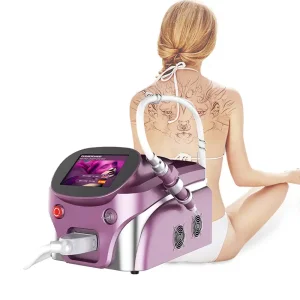
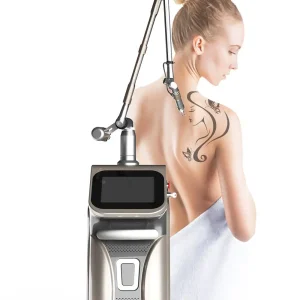
Tattoo pigment shattering via photo-acoustic shockwaves creates immediate epidermal frosting and localized thermal eruption. Applying sub-zero cold air immediately before, during, and after laser passes prevents blistering, drastically reduces patient discomfort, and speeds up cellular debris clearance by minimizing secondary tissue inflammation.
Ablative CO2 resurfacing creates microscopic thermal zones that cause intense burning sensations. SANO air cooling provides chemical-free topical anesthesia during the procedure and rapidly dissipates residual thermal energy post-treatment, replacing cumbersome ice packs and lowering infection risks.
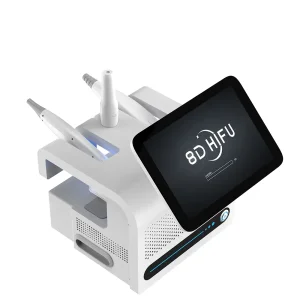
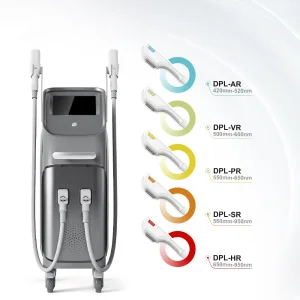
During vascular (980nm / DPL) or high-intensity focused ultrasound (HIFU) skin tightening sessions, deep thermal deposition can cause significant sharp pain. Cold air stream targeting maintains superficial epidermal comfort while allowing full energy delivery to targeted dermal layers.
Expert insights regarding cooling performance, system maintenance, OEM customization, and clinical safety standards.
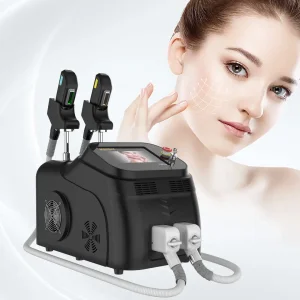
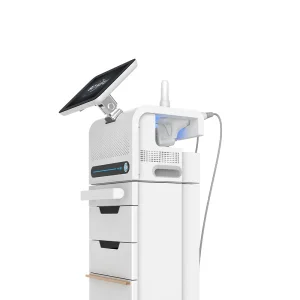
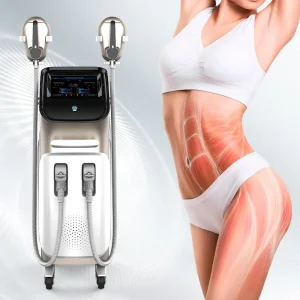
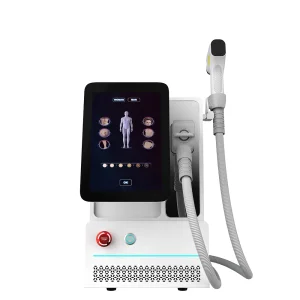
Complete your clinical portfolio with our factory-direct OEM hair removal, body sculpting, tattoo removal, and skin rejuvenation machines.