- +86 136 8127 5833
- [email protected]
- Shunyi, Beijing, China
Engineered for high-volume clinical operations, delivering validated treatment reproducibility, medical-grade safety standards, and robust unit economics.
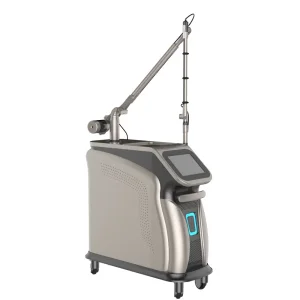
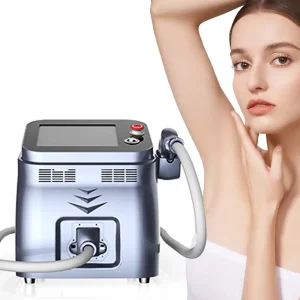
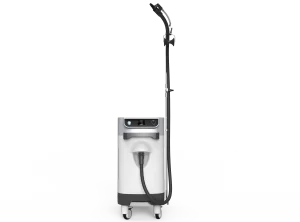
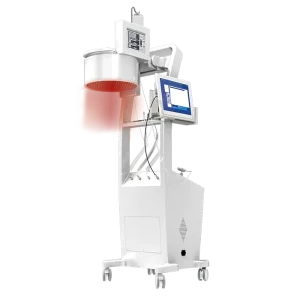
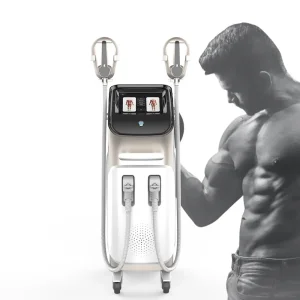
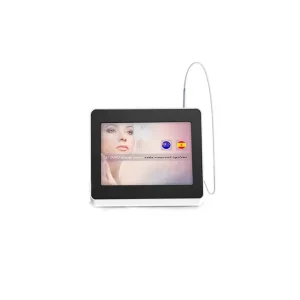
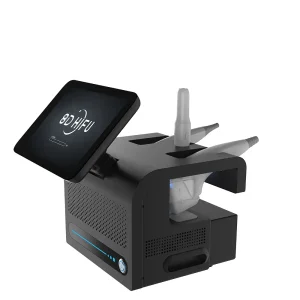
Moving beyond basic hydra-facials: Decoupling pneumatic vacuum delivery, high-frequency vortex exfoliation, and transdermal serum infusion kinetics.
Unlike legacy diamond microdermabrasion that uses physical abrasive grit, modern Chinese hydrodermabrasion platforms employ spiral-designed vortex tips coupled with precise negative pressure pumps (up to 100 kPa). This creates a localized hydrodynamic vortex that dislodges sebum, cellular debris, and follicular plugs without inducing micro-tears in sensitive epidermal structures.
Leading OEM platforms integrate multi-polar electroporation into the hydro-handpiece. By outputting high-frequency pulse waves (10–50 Hz), temporary aqueous channels are opened within the stratum corneum lipid bilayer, increasing deep transdermal serum delivery rates by up to 340% compared to topical application.
By incorporating on-board electrolytic modules, distilled water is split into hydrogen-enriched aqueous solutions containing high concentration dissolved H2 (up to 1400 ppb). Active hydrogen ions neutralize toxic hydroxyl free radicals (•OH) in the skin, reducing post-inflammatory oxidative stress and slowing skin photo-aging pathways.
| Engineering Attribute | Standard Commercial Hydra Device | Medical-Grade Hydrodermabrasion Platform | SANO Industrial OEM Custom Architecture |
|---|---|---|---|
| Vacuum Suction Pressure | 30 – 60 kPa (Single Diaphragm) | 80 – 100 kPa (Dual Diaphragm) | Up to 110 kPa (Brushless German Vacuum Engine) |
| Liquid Flow Control | Manual Mechanical Valve | Solenoid Electronic Control | Peristaltic Stepper Pump (0.1 ml/min precision) |
| Handpiece Construction | ABS Molded Plastic | Medical Aluminum + Silicon Tip | Anodized Medical Alloy + Bio-compatible Polymer |
| Combined Modalities | Single Hydro Extraction | Hydro + Cold Hammer + Spray | Hydro + RF + Bio-Microcurrent + H2/O2 + Ultrasound + Skin Analyzer |
| MTBF (Mean Time Between Failures) | < 1,500 Operating Hours | ~ 4,000 Operating Hours | > 8,000 Operating Hours (Factory Burn-in Tested) |
Why leading global medical aesthetic brands choose Beijing and South-China manufacturing hubs for private-label production and OEM co-development.
China's aesthetic medical cluster provides unparalleled structural advantages. By integrating precision machining for stainless-steel micro-valves, optical sensor fabrication, and specialized liquid tube extrusions within tight industrial radiuses, production lead times are reduced from months to 10-14 days. Furthermore, high-tier factories combine domestic assembly with critical imported components—such as German vacuum pumps, Japanese power supplies, and Swiss fluid sensors—offering an optimal hybrid of reliability and cost efficiency.
Unlike Western OEMs burdened by slow iteration cycles, Chinese manufacturers feature flexible engineering departments capable of executing rapid UI/UX software re-skinning, industrial chassis re-design, and custom multi-function head additions in a matter of weeks. Software options can be customized with multilingual interfaces (over 16 languages), custom treatment algorithm presets, and branded splash screens tailored for regional chain clinics.
De-risking capital expenditure for MedSpas, distributors, and clinic chains through rigorous ROI modeling and low total cost of ownership (TCO).
Procuring directly from verified Chinese tier-1 suppliers reduces initial capital equipment acquisition costs by 60% to 75% compared to purchasing through traditional Western branding middleman entities. Lower CapEx allows clinics to achieve full hardware payback within 45 to 60 operating days based on average treatment pricing.
Many Western brands lock operators into expensive, proprietary closed-cartridge serum systems. Chinese platforms generally feature open-system refillable solution tanks, permitting clinics to source or formulate localized AHA, BHA, and Hyaluronic Acid solutions—slashing per-treatment consumable costs from $35 down to under $3.
For regional equipment distributors, purchasing direct from China provides gross profit margins ranging between 150% and 300%. Built-in modular component architecture ensures local technicians can swiftly exchange plug-and-play boards, pumps, and solenoids without sending complete units across borders.
Navigating international clinical safety parameters, electrical safety certifications, and localized after-sales engineering infrastructure.
Leading Chinese hydrodermabrasion manufacturing facilities operate under stringent quality standards including ISO 13485 (Medical Devices Quality Management). Export platforms carry comprehensive technical dossiers supporting Medical CE under EU MDR guidelines, US FDA 510(k) cleared components, RoHS compliance for non-hazardous materials, and LVD/EMC electrical safety certifications necessary for immediate commercial import across Europe, North America, and LATAM markets.
To support overseas buyers, SANO and top Chinese manufacturers maintain 24/7 technical helpdesks staffed by fluent English-speaking biomedical engineers. Spare parts packages—containing replacement seals, peristaltic tubes, solenoid valves, and spare handpiece wiring—are stocked in regional warehouse hubs. Remote diagnostic software integrated into Android-based machine panels allows factory engineers to troubleshoot firmware and parameter anomalies instantly via Wi-Fi.
How modern multi-modality hydrodermabrasion systems are integrated across different commercial clinical environments.
Serves as the foundational express facial platform. Used for deep pore decongestion, dead stratum corneum desquamation, and immediate skin radiance before major events with zero downtime. High turnover rates allow practitioners to schedule 30-minute treatment slots effortlessly.
Dermatologists utilize hydrodermabrasion as a standardized pre-procedure protocol before carrying out fractional CO2 laser resurfacing, IPL therapy, or RF microneedling. Removing superficial lipids and cellular buildup ensures even optical skin penetration and consistent thermal delivery.
Combined with integrated cold-hammer skin soothing, LED phototherapy, and ultrasound serum penetration, resort spas package multi-step hydrodermabrasion treatments as premium holistic facial therapies driving elevated service margins.
Anticipating technological convergence in non-invasive skin rejuvenation platforms.
Next-gen systems integrate high-resolution RGB/UV skin cameras directly into the hydro machine console. AI algorithms analyze sebum levels, pore density, and wrinkle depths, automatically setting vacuum pressure and recommending specific serum ratios for personalized client treatment.
Adoption of RFID-tagged tip heads and solution bottles prevents counterfeit or non-sterilized consumable reuse, ensuring high sanitation standards, client safety, and automated inventory tracking for clinic owners.
The market is shifting away from single-function devices toward modular workstations combining Hydrodermabrasion, Bipolar RF skin tightening, Plasma arc sterilization, and High-pressure Nano Oxygen delivery into one space-saving chassis.
Detailed answers prepared by biomedical design engineers and international supply chain experts.
High-grade Chinese platforms utilizing brushless heavy-duty diaphragm vacuum pumps are rated for over 8,000 continuous operating hours. Routine maintenance involves flushing internal fluid lines daily with warm distilled water or specialized descaling solution to prevent serum crystallization within the solenoid valves. Air inlet filters should be inspected monthly and replaced every 6 months.
Traditional microdermabrasion uses dry aluminum oxide crystals or diamond-encrusted tips to manually scrape the epidermis, often creating erratic irritation, erythema, and dryness. Hydrodermabrasion simultaneously projects liquid serum streams into a enclosed vortex tip while suctioning. The liquid acts as a hydraulic cushion, reducing shear friction while dissolving intercellular lipids smoothly, making it suitable for sensitive skin and acne vulgaris.
For standard logo silk-screening on existing chassis colors, MOQs start as low as 1 to 5 units. Full custom OEM projects—including unique exterior industrial casing molds, custom UI color themes, tailored handpiece configurations, and localized user manual printing—typically require a minimum commitment of 10 to 20 units depending on plastic tooling complexity.
Export aesthetic machines undergo strict international transport drop and vibration testing. Instruments are packaged using custom high-density expanded polyethylene (EPE) foam inserts inside heavy-duty honeycomb cardboard cartons or flight-ready aluminum transport cases. Liquid lines are thoroughly purged of test water prior to sealed anti-static vacuum wrapping.
Complementary clinical devices engineered for comprehensive multi-treatment clinic portfolios.
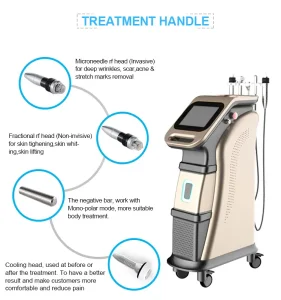
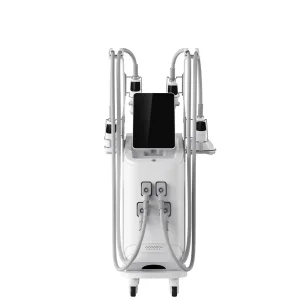
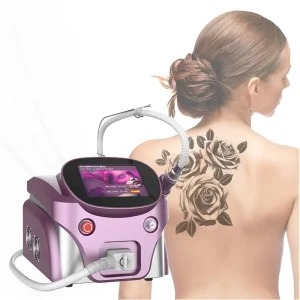
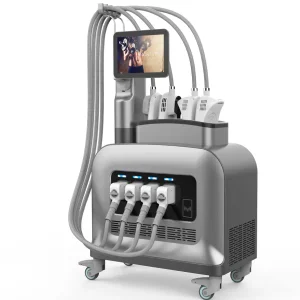
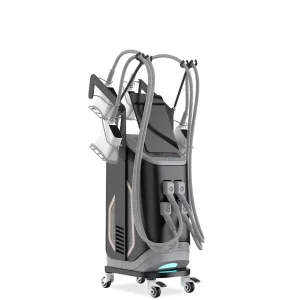
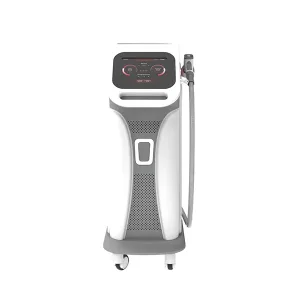
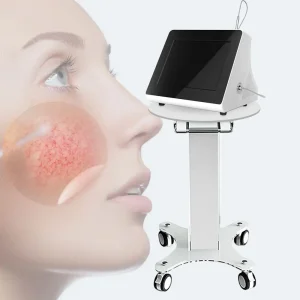
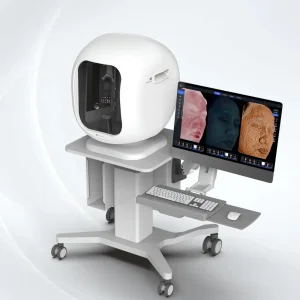
Connect directly with our Beijing R&D engineers for factory pricing, customized hardware specs, and private-label production schedules.