- +86 136 8127 5833
- [email protected]
- Shunyi, Beijing, China
Direct factory supply platforms engineered under ISO 13485 manufacturing environments with full CE certification compliance.
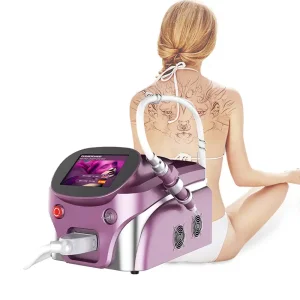
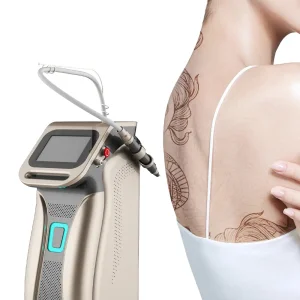
An in-depth evaluation of technological shifts from nanosecond Q-Switched systems to ultra-short picosecond photomechanical breakdown.
The global medical aesthetic sector is experiencing an unprecedented surge in demand for non-invasive ink removal and pigment clearance procedures. According to recent clinical market intelligence, the global tattoo removal market is expanding at a Compound Annual Growth Rate (CAGR) of over 9.8%, driven largely by "tattoo regret," expanding professional workplace grooming standards, and the rapid aesthetic upgrade toward clean skin. However, for B2B procurement officers, medical spa owners, and clinical equipment distributors, navigating the market landscape of CE Certification tattoo removal laser machine costs requires a granular understanding of optical engineering, pulse width mechanics, hardware durability, and direct factory supply chain economics.
Traditional nanosecond Q-Switched lasers rely heavily on photothermal action, heating ink pigments until they rupture. Modern picosecond platforms utilize ultra-short energy bursts that create a dominant photoacoustic stress wave. This shatters ink particles into microscopic dust-like fragments without thermal damage to surrounding tissue structures.
Procurement choices are no longer governed solely by initial sticker price. Modern buyers evaluate life-cycle expenditure, including lamp flash lifespan (millions of shots), articulated arm calibration stability, optical reflector degradation, power consumption, and factory after-sales spare part availability.
International cross-border procurement mandates rigorous regulatory compliance. Devices entering the European Economic Area (EEA) and global markets require CE Certification under Medical Device Directive/Regulation standards, guaranteeing electromagnetic compatibility (EMC) and low-voltage directive safety.
Understanding what technical components and manufacturing choices dictate final supplier pricing.
The core laser generator represents 35% to 50% of total machine manufacturing cost. High-end clinical systems feature imported UK xenon lamps, double laser rods (Nd:YAG crystals), and high-grade optical resonators. Dual-rod configurations double peak power density, allowing stable gigawatt-level energy output at sub-nanosecond pulse widths without beam clipping.
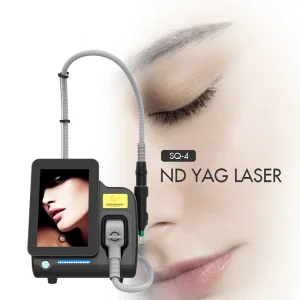
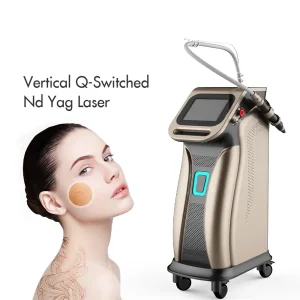
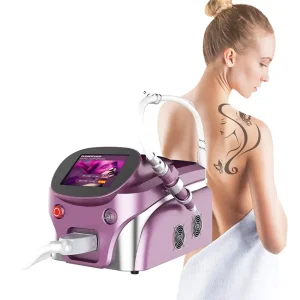
Premium vertical picosecond laser platforms incorporate imported 7-joint optical articulated arms (often sourced from Korea). These precision-engineered arms transmit pure light with under 5% transmission loss. Entry-level portable units house the laser crystal directly inside the handpiece shell. While portable handpiece systems lower baseline equipment costs, articulated arms provide superior beam homogeneity, spot stability, and lifespan for heavy clinical workloads.
Tattoo removal lasers demand instantaneous high-current discharges. Industrial-grade 2000W to 3000W OPT/IGBT power supplies paired with custom high-capacity storage capacitors ensure constant energy discharge across extended multi-patient clinical sessions, preventing energy drop-offs or wavelength drift during treatment.
Optical consistency depends heavily on temperature control. Premium China factories install dual-cycle water cooling combined with Japanese TEC (Thermoelectric Cooling) semiconductor radiator modules and German silent water pumps. Keeping water temperature below 28°C prevents laser rod degradation and protects high-cost optical components.
| Laser Technology Level | Typical Factory Gate Cost Range (USD) | Key Hardware Features | Ideal Procurement Application |
|---|---|---|---|
| Entry Portable Q-Switched Nd:YAG | $1,800 – $3,500 | Single rod, handpiece crystal chamber, air+water cooling, 1064/532nm. | Start-up salons, beauty parlors, low-volume tattoo studios. |
| Professional Vertical Q-Switched System | $3,800 – $6,500 | Dual cavity, UK xenon lamp, TEC cooling, high frequency (10Hz), heavy-duty chassis. | Established MedSpas, cosmetic dermatology clinics, high foot-traffic centers. |
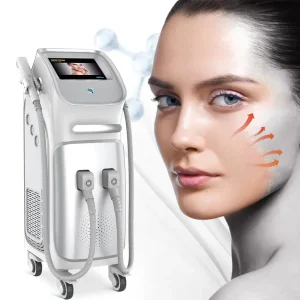
| Compact Desktop Picosecond Laser | $4,500 – $8,000 | Short pulse duration, honeycomb lens array, localized carbon peel & pigment presets. | Multi-service clinics requiring space-saving high-efficiency laser units. |
| Medical Grade Vertical Picosecond Platform | $8,500 – $18,000+ | 7-joint Korean articulated arm, dual purple laser rods, 2000W power supply, real-time energy monitor. | Hospital aesthetic departments, premium chain clinics, regional distributors. |
How Beijing's aesthetic technology hubs deliver world-class precision engineering at competitive factory rates.
The global dominance of Chinese aesthetic laser manufacturing—specifically centered around the Beijing Shunyi industrial technology corridor—is built upon a complete vertical supply chain integration. Unlike regional assemblers who import disparate sub-components, Tier-1 Chinese manufacturers execute optical component design, CNC chassis fabrication, PCB SMT surface mounting, and software UI design entirely in-house.
From precision optical glass polishing to custom-molded ABS anti-static outer shells, local sourcing networks allow zero delivery delay for critical raw materials, keeping manufacturing turnarounds within 7 to 14 working days.
Leading factories maintain Class 10,000 cleanroom assembly lines for laser cavities. Every finished laser device undergoes 48 to 72 hours of continuous aging and burn-in testing, alongside optical energy meter calibration prior to final packing.
Factories provide comprehensive customization: custom shell color painting, corporate logo silkscreening, multi-language software UI integration, customized preset treatment protocols, and proprietary outer casing design for regional brand builders.
The biophysical foundation of professional ink removal across diverse skin types and pigment colors.
The 1064nm infrared laser wavelength exhibits minimal melanin absorption in the upper epidermis, making it the safest wavelength choice for darker skin tones (Fitzpatrick IV–VI). It penetrates deep into the dermis to target black, dark blue, and dark green tattoo inks, as well as dermal pigmentations such as Nevus of Ota.
By frequency-doubling the 1064nm beam through a KTP crystal, the system produces a 532nm green light output. Highly absorbed by melanin and bright pigments, it effectively shatters red, orange, yellow, and violet inks while treating superficial freckles, lentigines, and cafe-au-lait spots.
The 755nm wavelength exhibits an exceptional ratio of melanin to hemoglobin absorption. It excels at clearing resistant green and blue ink shades that resist 1064nm light, while reducing the risk of vascular purpura during skin rejuvenation procedures.
Utilizing a dedicated carbon powder fluid applicator, the 1320nm/1064nm thermal pulse explodes carbon particles micro-lodged inside pores. This clinical application purifies sebaceous channels, shrinks enlarged pores, controls active acne, and stimulates dermal collagen synthesis.
How multi-functional laser platforms create high revenue streams across varied aesthetic environments.
High-power vertical picosecond units function as primary workhorses for stubborn multi-color tattoos, refractory melasma, post-inflammatory hyperpigmentation (PIH), and acne scar resurfacing via fractional diffusers.
Compact portable Q-Switched units enable tattoo artists to perform rapid cover-up fading in 2-3 sessions, eyebrow tattoo removal, and precise lip-liner correction without leaving thermal scarring.
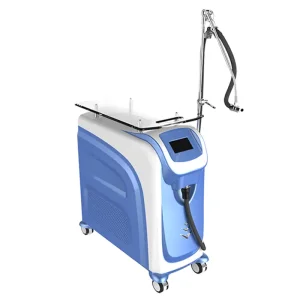
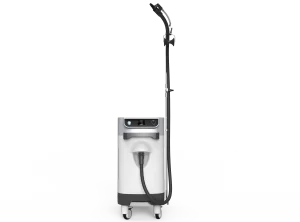
Integrating epidermic cold air chillers (like Zimmer-style -30°C cooling units) alongside picosecond lasers minimizes patient discomfort, eliminates local anesthetic injections, and reduces post-laser epidermal edema by over 60%.
Addressing essential questions raised by international distributors, clinic owners, and biomedical engineers.
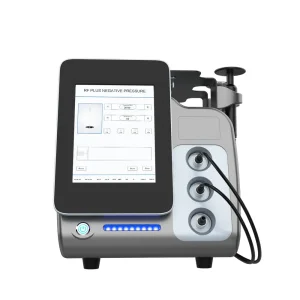
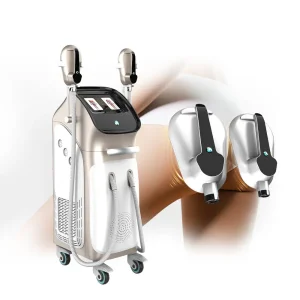
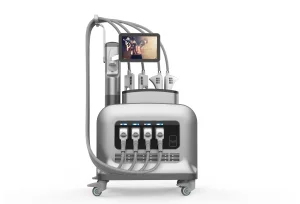
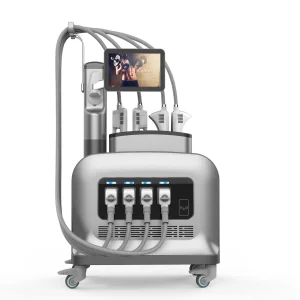
Expand your clinic operations with synergistic body sculpting, skin cooling, and advanced radiofrequency platforms.